
Reviewed · BAY OF ISLANDS TOURS
Waitangi Treaty Grounds: 2-Day Pass
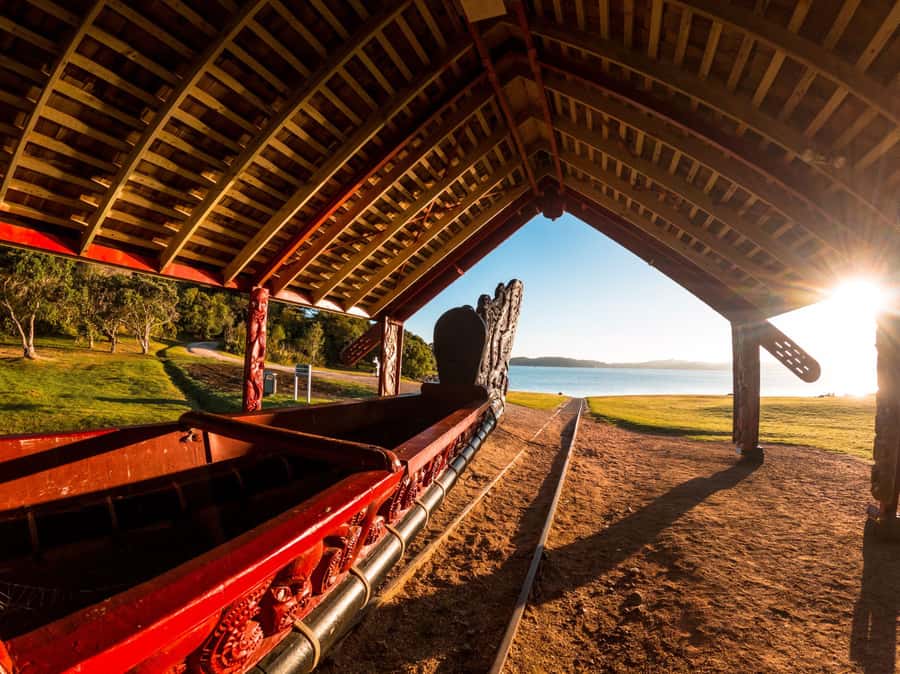
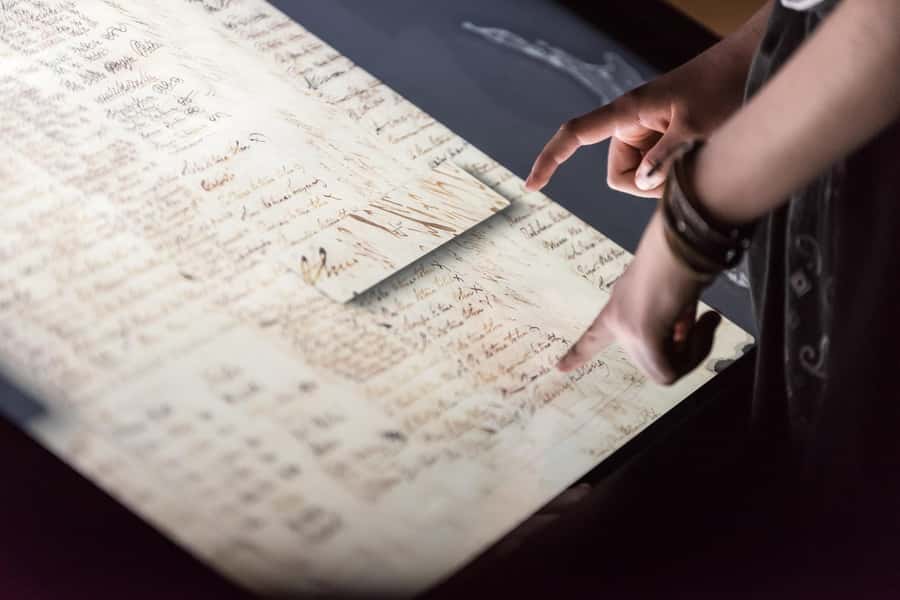
Waitangi Treaty Grounds is where New Zealand’s most important founding document was signed, but the visit is much more than a plaque and a photo stop. You’ll walk through a beautiful historic site, hear the story from a Māori perspective, and see the meeting house, museums, and the world’s largest ceremonial waka. The 50-minute guided tour gives the place a clear shape, while the performance puts living culture at the center.
I especially like the mix of serious history and warm, human storytelling. Guides such as James and Roze have been praised for making difficult subjects understandable without brushing aside the ways the treaty was not honored. I also like the two-day validity, since the site deserves more than a hurried hour. The main consideration is physical: paths can be uneven, and a full visit involves plenty of walking.
Key points to know before you go
- The treaty site itself: Stand at the place where the Treaty of Waitangi was signed in 1840.
- A Māori-led historical view: The guided tour uses local voices, humor, and clear explanations of the treaty’s different Māori and English meanings.
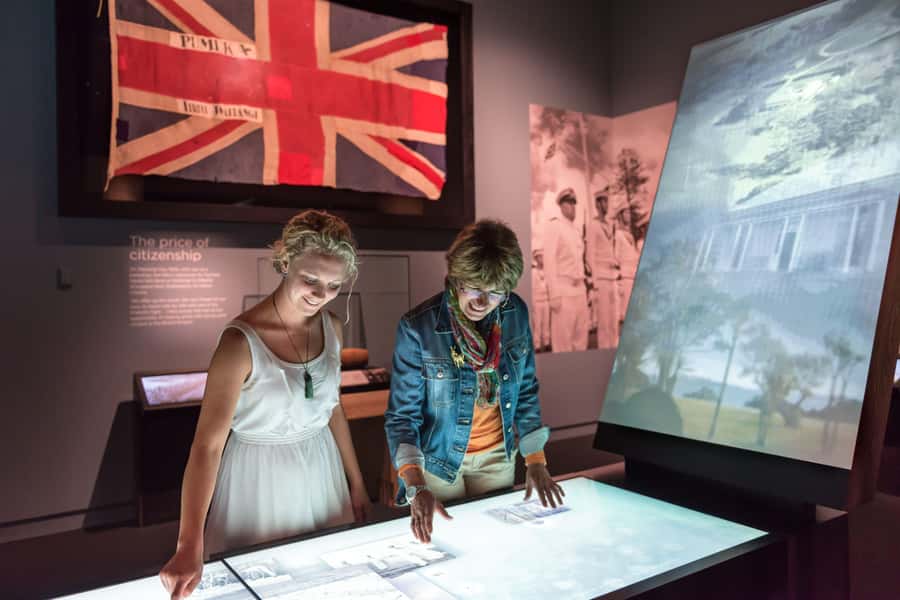
- Two museums included: Te Kōngahu Museum of Waitangi and Te Rau Aroha Museum add objects, displays, and context beyond the outdoor sites.
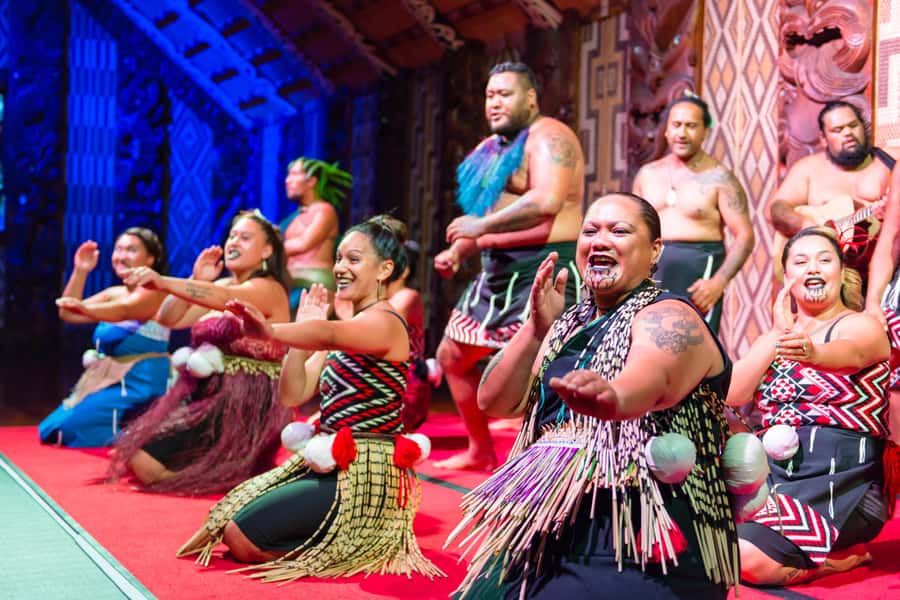
- A powerful cultural performance: Expect a 30-minute welcome, singing, poi, stick games, weapon displays, and haka inside the carved meeting house.
- Time for Bay of Islands views: Self-guided bush walks lead through the grounds and offer broad views across the water.
- Useful two-day access: At $41 per person, the pass becomes better value if you return for a second look instead of trying to see everything at once.
Why Waitangi matters beyond the famous signature
The Treaty of Waitangi was signed here in 1840 by representatives of the British Crown and Māori chiefs. The grounds are therefore not just a scenic historic site. They are a place where the beginnings of modern New Zealand are explained, questioned, and remembered.
That explanation matters because the Māori and English versions of the treaty did not carry exactly the same meaning. The English text promised one set of arrangements, while the Māori wording led many chiefs to understand the agreement differently. The resulting disputes and broken promises are part of the story you’ll hear here, not an awkward subject tucked away in a footnote.
I like that the site does not reduce the treaty to a neat founding myth. The best guides use humor to keep you listening, but they also explain the gravity of what happened and how its effects continue. This gives the visit more weight than a standard historical walk.
The location helps, too. You are not sitting in a classroom trying to picture the event. You can stand in the place where the signing occurred, see the buildings connected with the treaty, and look across the Bay of Islands that formed the setting for early contact between Māori and European communities.
More two day trips in Paihia:
- Timber Trail – Ongarue to Pureora Shuttle 2 Day Ride
★ 5.0 · 186 reviews - 1/2 Day Guided Wellington Tour incl. Cable Car (Vans not buses)
★ 5.0 · 101 reviews - 2 Day Waitomo Caves, Hobbiton Movie Set and Rotorua Tour from Auckland
★ 4.5 · 57 reviews
Start with the 50-minute guided tour
Your visit includes a 50-minute guided tour with an English-speaking local guide. Headsets are provided, which is a small but important detail. Outdoor tours can become frustrating when a group spreads out or the wind carries voices away. With the headset, you can keep looking at the site instead of crowding around the guide.
The quality of the guide makes a real difference here. James has been singled out for his friendly, humorous way of explaining the story, while Roze has been praised for making historic information clear and engaging. You may have a different guide, but the strongest part of the experience is the local perspective and the willingness to explain both Māori and British sides of the treaty.
Expect the tour to cover the main historic points rather than every corner of the property. Fifty minutes is long enough to give you a useful framework, but not long enough to answer every question or explore each building in detail. One practical approach is to treat the tour as your orientation, then use the rest of the day to return to the places that interest you most.
The tour is especially useful if you know little about New Zealand history. It gives you the basic timeline and introduces the key terms before you enter the museums. If you already know the story, listen for the local interpretation and the details about language, authority, and the treaty’s continuing significance.
Stand where the Treaty of Waitangi was signed
The treaty signing area is the emotional center of the visit. This is where the document was presented and signed by chiefs and representatives of the British Crown. The setting makes the event easier to grasp because you can see the relationship between the historic buildings, the meeting areas, and the surrounding grounds.
Do not rush this stop. It is tempting to take a photograph and move on, especially if you are following a tight Bay of Islands schedule. I find it more useful to pause and think about the scale of the event, including the gathering of hundreds of chiefs and the very different expectations carried by the two treaty texts.
The site also makes clear that the treaty was not a single moment that settled everything. It became the starting point for arguments over land, power, rights, and responsibility. The guided explanation helps you see why Waitangi remains important to New Zealanders today.
Read the story through two museums
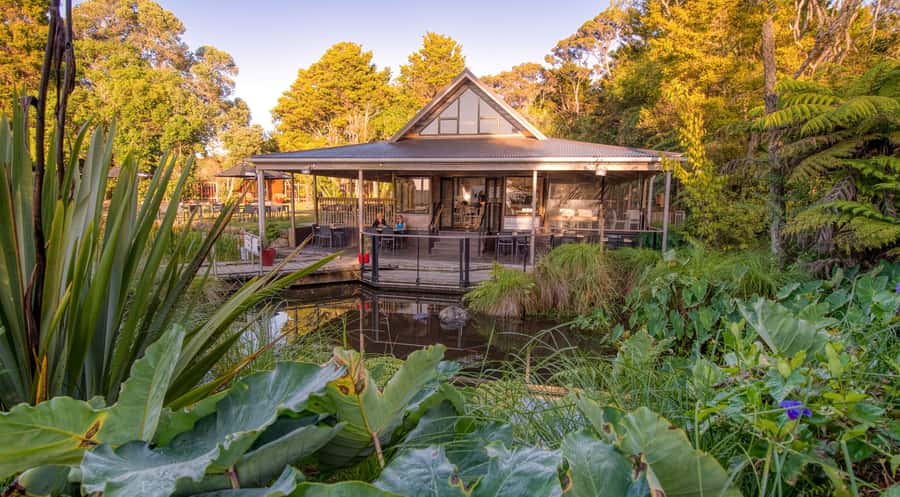
Your pass includes Te Kōngahu Museum of Waitangi and Te Rau Aroha Museum. Together, they turn the outdoor visit into a fuller day of learning.
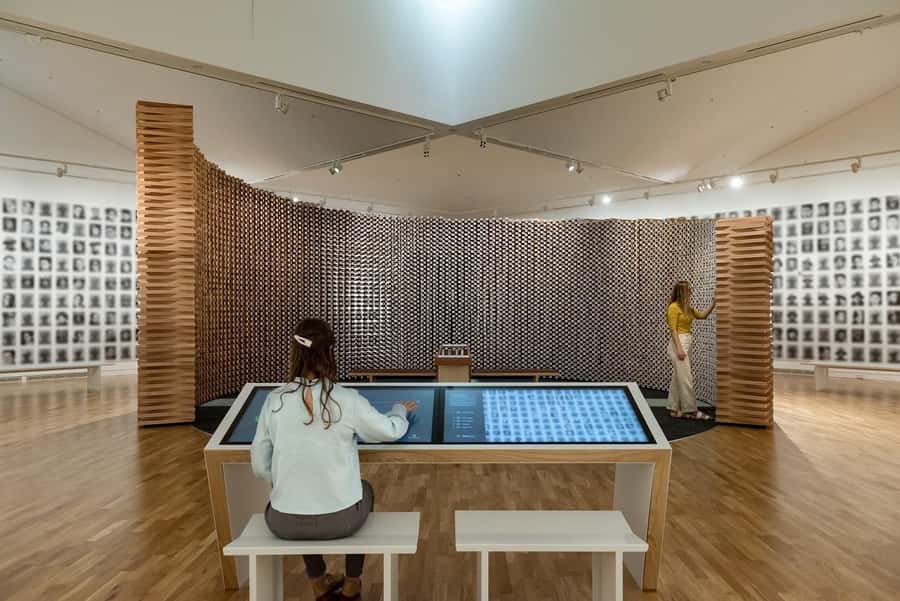
Te Kōngahu Museum focuses on the Treaty of Waitangi and Māori culture. Permanent and changing displays use multimedia, visual material, and taonga, or treasured cultural objects, to explain the people and ideas behind the treaty. Give this museum time rather than treating it as a quick indoor stop between activities.
The museum is particularly useful after the guided tour. You will recognize names and themes, and you can slow down over details that the outdoor schedule did not allow. If you like reading labels and examining objects closely, you could easily spend much longer here than the basic four-hour visit.
Te Rau Aroha Museum adds a different layer, with a focus on Māori involvement in New Zealand’s military story. The war history displays can be moving, especially because they connect national service with Māori identity, sacrifice, and remembrance. This is not just a collection of military objects. It asks you to consider how Māori communities have contributed to New Zealand and how that contribution has been understood.
The museums are also a practical refuge if the weather turns wet. One visit was interrupted by rain, and the on-site café provided a useful place to shelter. Weather in the Bay of Islands can change, so the indoor exhibits give your day a dependable backbone even when the views are less cooperative.
A few more Paihia days to compare
- Paihia/Russell: Hole in the Rock Cruise with 2 Island Stops
★ 4.8 · 1,002 reviews - Paihia/Russell: Hole in the Rock and Bay of Islands Cruise
★ 4.6 · 727 reviews - From Paihia: Scenic Cruise with Roberton Island Stopover
★ 4.8 · 332 reviews - Paihia: Glass Bottom Boat Tour to the Hole in the Rock
★ 4.7 · 319 reviews
Enter the carved meeting house for the Māori performance
The 30-minute Māori cultural performance takes place inside a magnificently carved meeting house. A performing arts group welcomes you with a traditional pōwhiri, then presents a lively sequence of song, movement, and cultural demonstrations.
You can expect poi twirling, stick games, Māori weaponry, harmonies, and a haka. The performance has plenty of energy, but it is not simply a show added for entertainment. The welcome, the songs, and the movements introduce cultural practices in a direct and memorable way.
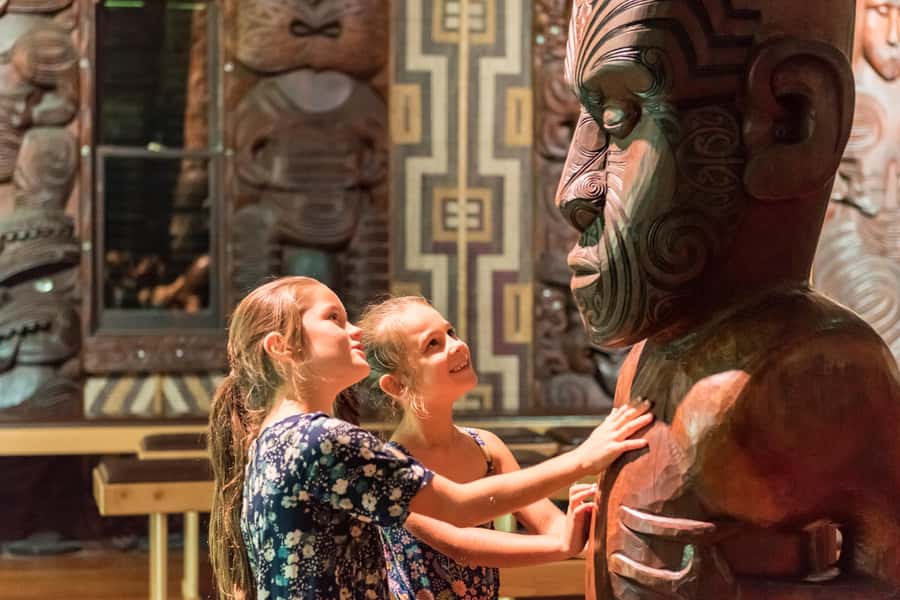
The meeting house itself is part of the experience. Look at the carvings and the way the room creates a sense of shared space before the performers begin. The setting helps explain why the performance feels different from a stage show in a theatre.
I would schedule the performance even if you are mainly interested in history. It gives the visit a human and present-day element, rather than leaving Māori culture only in the past. Parents and children may especially appreciate the movement and music, though children must be accompanied by an adult and unaccompanied minors are not allowed.
Follow the bush walks for Bay of Islands views
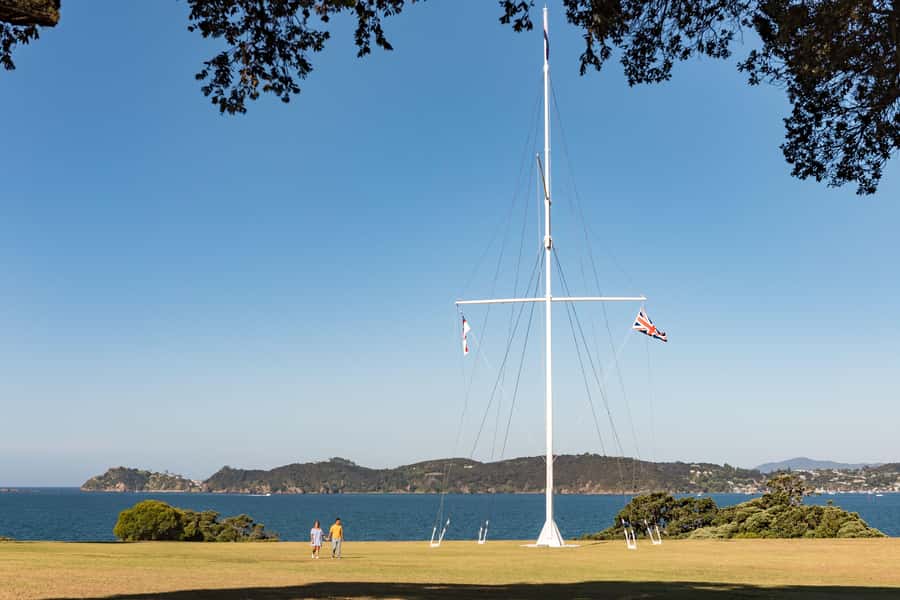
The grounds are not only a museum precinct. Self-guided bush walks lead through the property and provide panoramic views over the Bay of Islands. These walks give you a chance to slow down after the guided tour and make sense of the site’s position.
The views are one reason the two-day pass is useful. On a first visit, you may focus on the treaty area and performance. On a second day, you can return for the walks, revisit the museum, or spend more time around the historic buildings without watching the clock.
The walks require a moderate level of fitness. Surfaces can be uneven, and some sections may be difficult for people with limited mobility or wheelchair users. The site is wheelchair accessible, but accessibility here does not mean every outdoor path is smooth or effortless.
Wear sensible shoes and allow extra time if you want both the museums and the walks. The grounds are open from 9am to 5pm, giving you a broad window, but a full visit can occupy much of the day.
What the $41 two-day pass is really worth
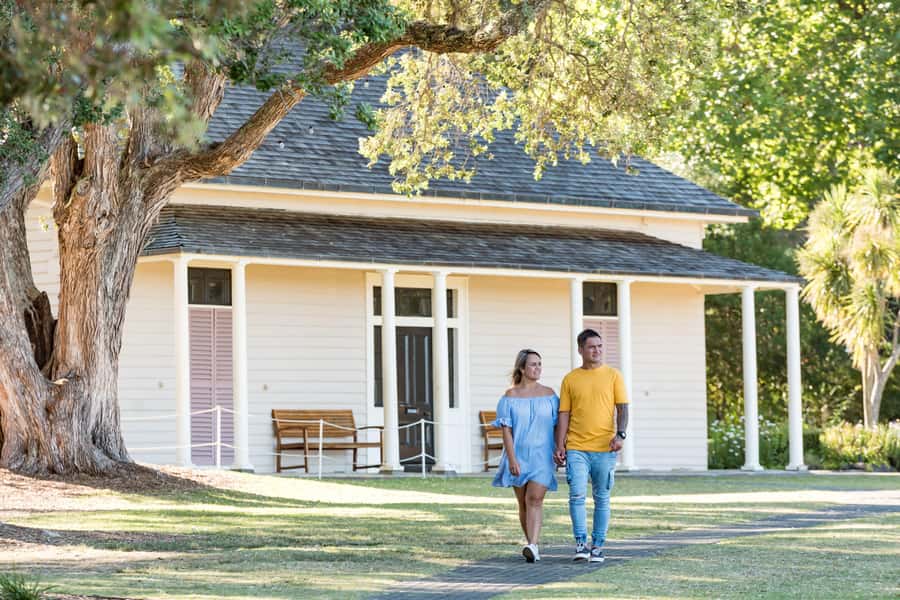
At $41 per person, the pass offers good value if you use the included elements: the guided tour, cultural performance, two museums, historic buildings, waka, and outdoor walks. Paying for admission and then skipping half the site would weaken the value. Taking advantage of the second day makes the price easier to justify.
A four-hour visit is enough for a solid overview. You can take the tour, see the cultural performance, visit both museums, and walk through the main grounds. If you want to read exhibits carefully, take photographs, enjoy the café, and complete the bush walks, plan on a full day or return for the second day.
The two-day validity is also useful for cruise passengers and people staying in Paihia. You do not need to force every indoor and outdoor stop into one packed schedule. Just check the available start times when booking, since the pass is valid for two consecutive days rather than any two days during your trip.
From Paihia, the visitor center is about a 25-minute walk or a two-minute drive. Follow the waterfront road to the roundabout, continue straight, cross the one-lane bridge, and follow the signs. The walk is described as easy to navigate, but allow enough time to arrive before your scheduled tour or performance.
The café adds practical value, particularly in bad weather. Food was described as reasonably priced, though opening times may vary. I would not build your entire meal plan around it, but it is handy for a break between the outdoor grounds and the museums.
Who will get the most from this visit
I recommend Waitangi Treaty Grounds to first-time visitors who want a clear introduction to New Zealand’s past. The combination of a local guide, museums, and a performance gives you several ways to understand the country’s founding story.
It also suits New Zealand residents who want to revisit a familiar event with more detail. The site does not only repeat schoolbook facts. The Māori interpretation and discussion of the treaty’s failures can make the visit feel new, even if you have been here before.
Families can expect a mixture of movement, objects, views, and performance rather than a day spent only reading. Older children may connect with the waka, haka, and weapon demonstrations, while adults will likely spend more time with the treaty and military displays.
This is less suitable if you want a very short attraction near Paihia or if uneven paths are a major concern. You can see the core site in several hours, but the pass is designed for people willing to give the place time.
Booking and practical details
The experience operates from 9am to 5pm. English is used for the live tour and audio guide, and headsets are included for the guided portion.
You can cancel up to 24 hours ahead for a full refund, and the reserve-now, pay-later option keeps your plans flexible. Children must be with an adult. Wheelchair access is available, but uneven surfaces remain a consideration around the grounds.
If you are visiting in rain, do not automatically cancel. The museums and café provide shelter, and the outdoor sections can be fitted around clearer breaks in the weather. Still, the Bay of Islands views are a major part of the setting, so a dry morning or afternoon will give you more from the site.
Should you book the Waitangi Treaty Grounds pass?
Book it if you want more than a scenic stop in Paihia. The strongest reasons are the Māori-led storytelling, the thoughtful museums, and the cultural performance inside the carved meeting house. The two-day pass is especially worthwhile if your schedule allows a return visit.
Allow at least four hours for the main experience, and use the second day if you prefer a slower pace. If you have limited mobility, ask for current route advice and expect some uneven ground. For anyone seeking context, culture, and a genuine connection to New Zealand’s founding story, this is one of the Bay of Islands’ most useful visits.
FAQ
Where are the Waitangi Treaty Grounds?
The visitor center is at 1 Tau Henare Drive, Waitangi, in the Bay of Islands on New Zealand’s North Island.
How far are the grounds from Paihia?
The grounds are about a 25-minute walk or a two-minute drive from Paihia.
How long is the pass valid?
The pass is valid for two consecutive days.
What are the opening hours?
The Waitangi Treaty Grounds are open from 9am to 5pm.
Is a guided tour included?
Yes. Admission includes a 50-minute guided tour with an English-speaking local guide and headsets.
Is the Māori cultural performance included?
Yes. The pass includes a 30-minute Māori cultural performance inside the carved meeting house.
Which museums can I visit with the pass?
You can enter Te Kōngahu Museum of Waitangi and Te Rau Aroha Museum.
Is the site wheelchair accessible?
Yes, the site is wheelchair accessible, but uneven surfaces may be difficult for some wheelchair users and people with limited mobility.
Can children visit alone?
No. Children must be accompanied by an adult, and unaccompanied minors are not allowed.
Can I cancel my booking?
Yes. You can cancel up to 24 hours in advance for a full refund.
Newly listed around Paihia
- Bay of Islands – Mini Tour (75-90 mins)★ 4.8 · 5 reviews
- Shore Excursion to Historic Kerikeri including Lunch★ 4.9 · 6 reviews
- The Rock Adventure Day Cruise★ 4.8 · 7 reviews
- From Paihia: The Rock Adventure Overnight Cruise★ 5.0 · 8 reviews
- Bay of Islands: 1 Hour Scenic Bay of Islands Tour★ 4.9 · 10 reviews
- Paihia: Bay of Islands Dolphin Eco Cruise & Island Stopover★ 4.8 · 12 reviews
- Hole in the Rock Tour & Bay of Islands Cruise★ 4.8 · 14 reviews
- Cape Reinga: Day Trip from Paihia, Kerikeri, or Kaitaia★ 4.8 · 32 reviews
Bay of Islands Tours, compared.
Paihia/Russell: Hole in the Rock Cruise with 2 Island Stops
Read our review →
Paihia/Russell: Hole in the Rock and Bay of Islands Cruise
Read our review →
Bay of Islands Tall Ship Sailing on R. Tucker Thompson Including BBQ Lunch
Read our review →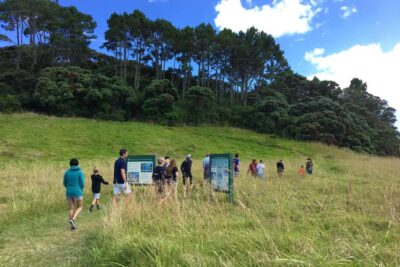

Bay of Islands Glow Worm Caves & Scenic Shore Excursion
Read our review →

Browse the lists this tour appears in