
Reviewed · AKAROA TOURS
Akaroa: Stargazing Tour with 2 Telescopes & Souvenir Photos
Akaroa’s best night view is above you. Away from city lights, this small-group stargazing tour gives you a clear shot at the Milky Way, planets, nebulae, and distant galaxies. Luca guides the evening with two very different telescopes, so you get both the thrill of looking through an eyepiece and the fun of watching a deep-sky image appear on screen.
I like the live nebula photos, which are shared with you during the tour, and the thoughtful comfort of hot drinks and blankets. The $65 price is fair for a 90-minute guided session with two telescopes and several digital souvenirs. The main catch is simple: cloud cover can limit what you see, and Akaroa’s night air calls for proper warm clothing.
Key points at a glance
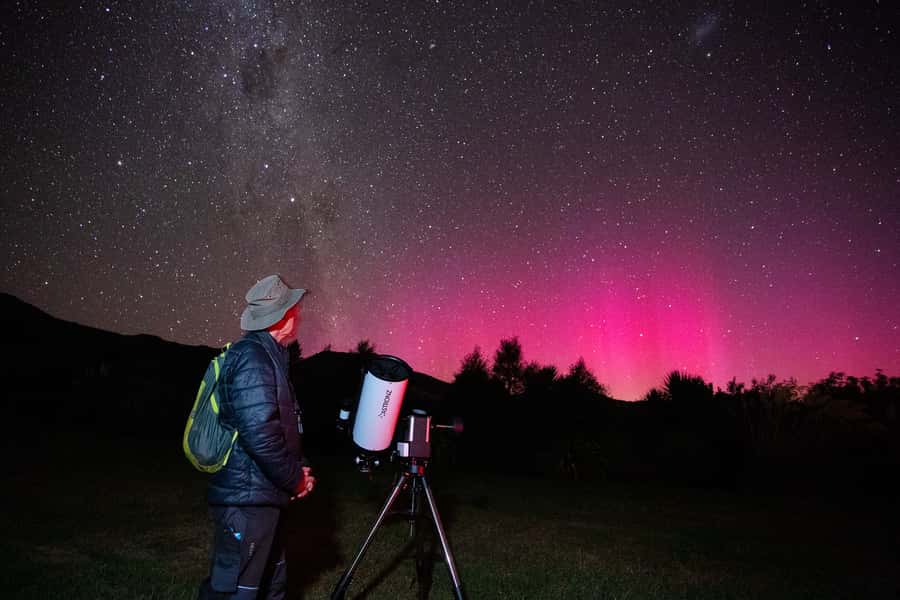
- Two telescopes, two ways to see the sky: Use a 10-inch Dobsonian for direct visual observing and a ZWO Seestar S50 for live astrophotography.
- Akaroa’s dark skies: The setting is far from city light pollution, giving the Milky Way and faint deep-sky objects a better chance to show themselves.
- Photos you can keep: You receive digital images of nebulae and deep-sky objects, plus a personal night-sky portrait sent the next day.
- Luca leads the evening: His friendly, funny, patient approach suits beginners and curious families as well as people who already know a few constellations.
- Small group of up to 10: You get room to ask questions without being lost in a crowd.
- Comfort is built in: A hot drink and cozy blankets make the 90-minute outdoor session easier in cool weather.
Why Akaroa’s night sky matters
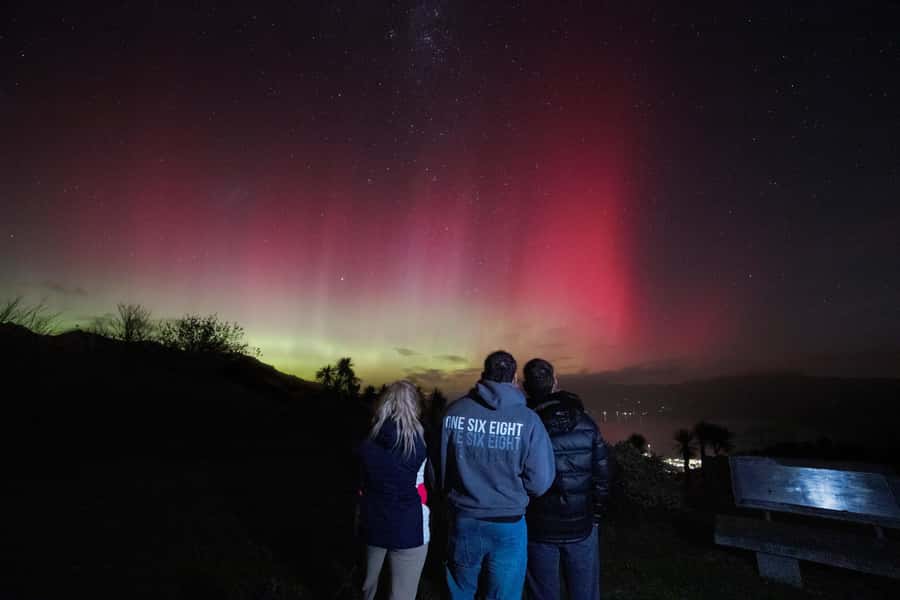
Akaroa is a good place to look upward because the tour takes you away from strong city lighting. Dark skies do more than make the stars look pretty. They help faint objects show up, especially the Milky Way, nebulae, and distant galaxies that can disappear in the glow above a town.
You should still set your expectations sensibly. This is not a planetarium show with a guaranteed script. The sky changes with the night, and clouds or poor visibility can affect what Luca points out. The experience works best when you enjoy learning about what is available rather than arriving with a fixed checklist of ten specific objects.
The Southern Hemisphere also gives you a different sky from the one many visitors know from Europe or North America. That makes this a worthwhile stop even if you have stargazed before. Luca’s explanations help you make sense of the stars instead of simply staring at a dark patch overhead.
More photo sessions in Akaroa:
- AuthenticAs Star Gazing -Nightscape Portrait Photography Tour
★ 5.0 · 59 reviews - Photography Tour from Queenstown to Glenorchy – 1/2 Day
★ 5.0 · 32 reviews - Half-Day Queenstown Photography Tour
★ 5.0 · 28 reviews
Meeting Luca at 280 Long Bay Road
Plan to arrive at the car park at least 10 minutes before departure. The listed starting point is 280 Long Bay Road, and transport to Akaroa Heritage Park is not provided, so you need to arrange your own way there.
The meeting process is short and practical. After everyone has gathered, the evening begins with a five-minute safety briefing. This is also the point to settle in, switch off distractions, and prepare for an outdoor activity where preserving your night vision matters.
Do not bring a flashlight. Bright light can make it harder for everyone to see the sky, so leave it behind and follow the guide’s instructions. Wear warm clothing and closed-toe shoes. A hot drink and blankets are supplied, but they supplement your clothing rather than replace it.
The group is limited to 10 people. That number matters with a telescope. You are less likely to spend the whole evening waiting behind a large crowd, and Luca can take questions as they arise. The activity is conducted in English and is wheelchair accessible.
The 10-inch Dobsonian: direct views through the eyepiece
The first telescope offers the classic stargazing experience. A 10-inch Dobsonian gathers much more light than the naked eye, allowing you to inspect selected objects with greater detail than you could see overhead on your own.
The appeal is personal and immediate. You place your eye to the eyepiece and see the object directly, rather than looking at a finished image on a screen. The view may not look like a colorful space photograph, since long-exposure images reveal colors and detail that the human eye cannot always see in real time. Still, the sense of seeing a faraway object for yourself is the reason this telescope remains such a satisfying part of the evening.
Luca guides you toward planets, nebulae, galaxies, and other Southern Hemisphere targets as conditions allow. He also answers questions during the session, which helps if you are new to astronomy or unsure what you are looking at.
This is not a rushed turn at the eyepiece. The strongest feedback about the tour points to Luca’s patient explanations and willingness to spend time on questions. That makes the Dobsonian especially useful for families and first-time stargazers. You do not need to know the names of stars before arriving.
The ZWO Seestar S50 and live astrophotography
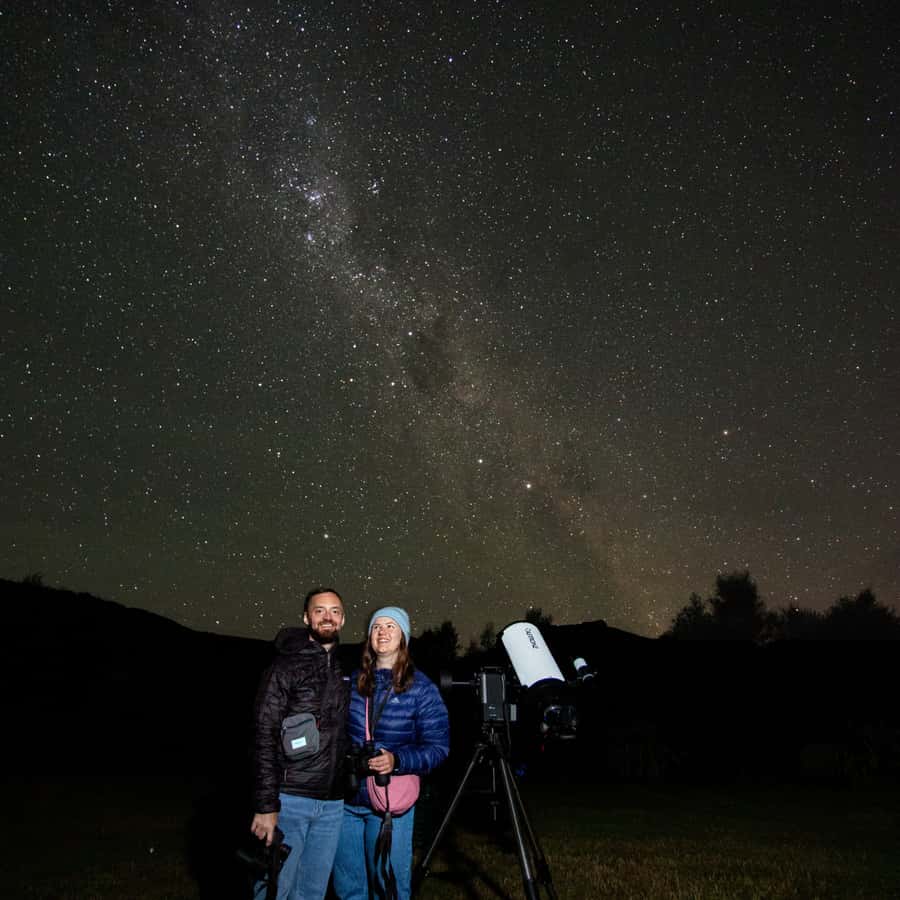
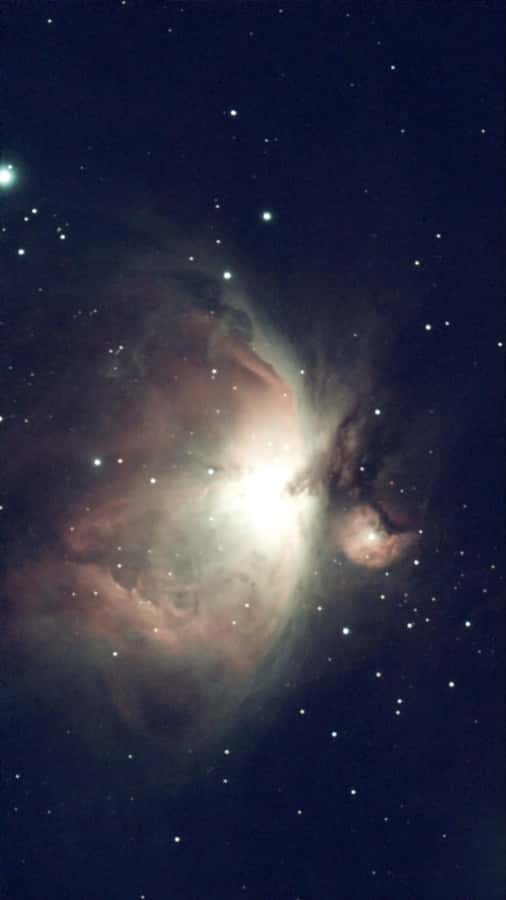
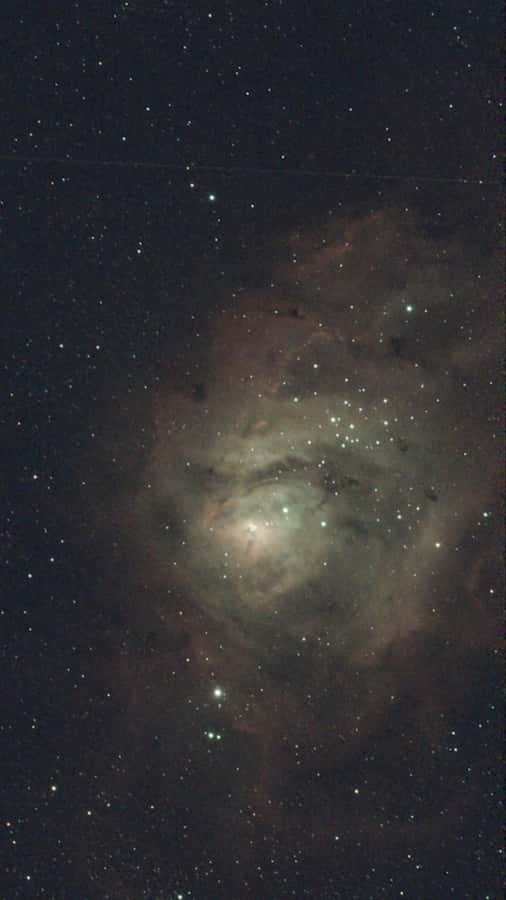
The second telescope, a ZWO Seestar S50, changes the pace and style of the tour. It is a smart telescope designed to capture deep-sky images live, giving you a developing view of nebulae and other faint objects while you watch.
This is where the tour offers something beyond a standard stargazing session. You can see the image build as the telescope gathers data, then receive digital photos to keep. The photos give you a record of what you explored, while the live process helps explain why some objects are much easier to capture with equipment than to see with the naked eye.
The two telescopes complement each other. The Dobsonian gives you the direct, old-school eyepiece view. The Seestar S50 gives you a shareable image with more visible color and structure. I like this pairing because it avoids making you choose between personal observation and a souvenir photograph.
You should think of the images as tour souvenirs, not professional observatory prints. Their value is that you watched them being captured during your own session. That connection makes the files more meaningful than a generic astronomy image downloaded from the internet.
A few more Akaroa days to compare
- Akaroa Dolphins ~ Harbour Nature Cruise
★ 5.0 · 2,143 reviews - Akaroa: Dolphin Nature Cruise
★ 4.9 · 440 reviews - Akaroa Harbour Nature Cruise
★ 5.0 · 332 reviews - Swimming with Wild Dolphins in Akaroa
★ 4.5 · 261 reviews
A ten-minute photo stop beneath the stars
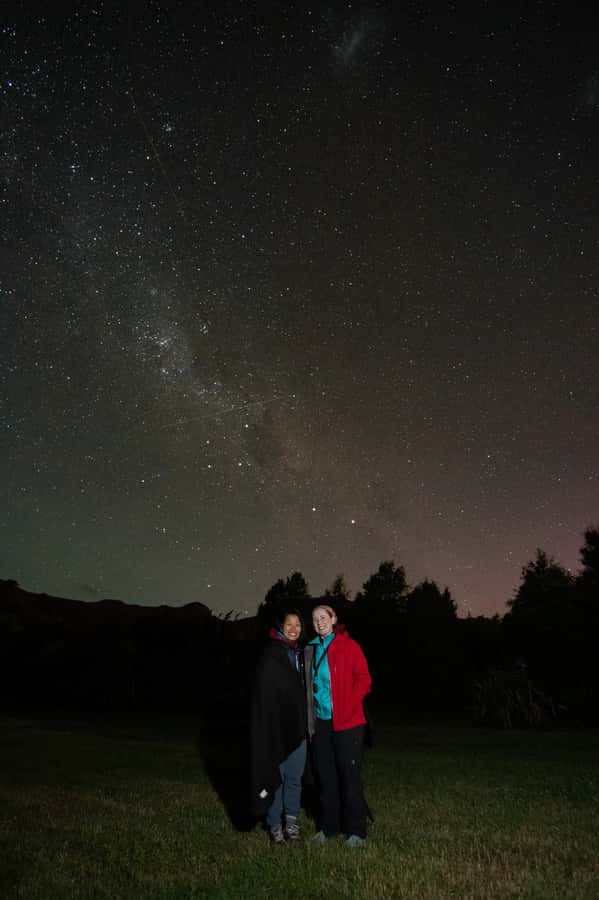
The final part of the schedule allows 10 minutes for photos. You receive a personalized digital souvenir photo of yourself under the night sky, sent the next day.
This is a smart addition. Most people can photograph the sky or photograph themselves, but getting both in one image is harder, especially in very dark conditions. The portrait gives you something personal to take home, while the nebula photos record the objects you examined through the Seestar S50.
Do not expect a long photo shoot. Ten minutes is enough for a planned souvenir image, not a full portrait session with many poses. If you want the best result, listen carefully to the guide and be ready when the photo stop begins.
The digital delivery also means you do not have to wait around after the tour. The nebula images are shared instantly, while the personal image arrives the following day. Make sure your booking contact details are correct so the files can reach you.
What the 90-minute itinerary feels like
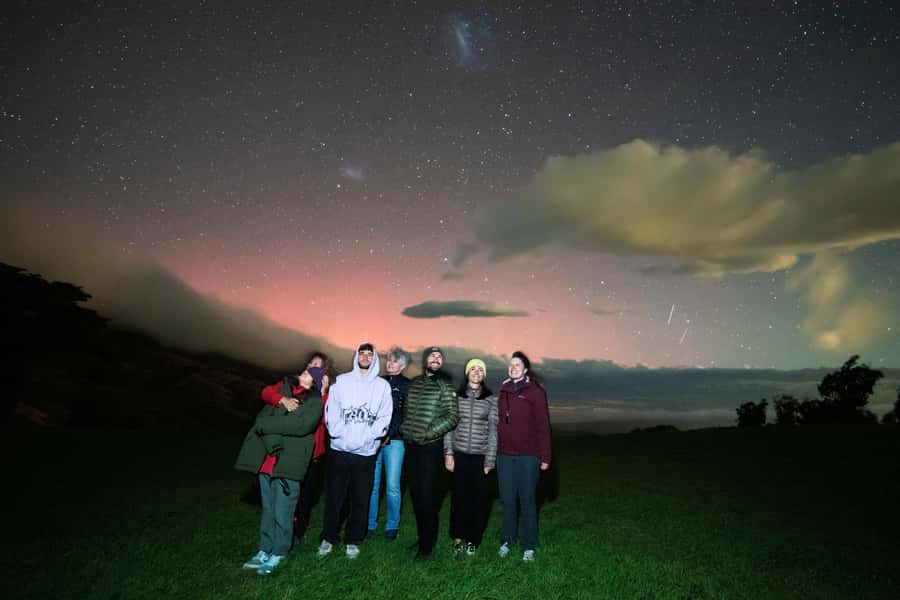
The full activity lasts 90 minutes. Five minutes are set aside for safety, 75 minutes for the guided astronomy session, and 10 minutes for the photo stop.
That is a useful length for an outdoor evening. It gives Luca enough time to explain several objects without turning the night into a lecture. It also keeps the session manageable for children, provided they are comfortable being outside in the dark and cool air.
The 75-minute guided section is the heart of the experience. You move between the two telescopes, look at available targets, hear explanations of the night sky, and have time for questions. The exact objects will depend on what can be seen during your visit. Clear skies can open up the full range of the session, while cloud may require a more flexible approach.
The schedule is compact enough to fit into an Akaroa stay, but you should protect the full 90 minutes. Do not book another activity with a tight connection immediately afterward, especially since you are responsible for getting to and from the meeting point.
Luca’s guiding style and who will enjoy it
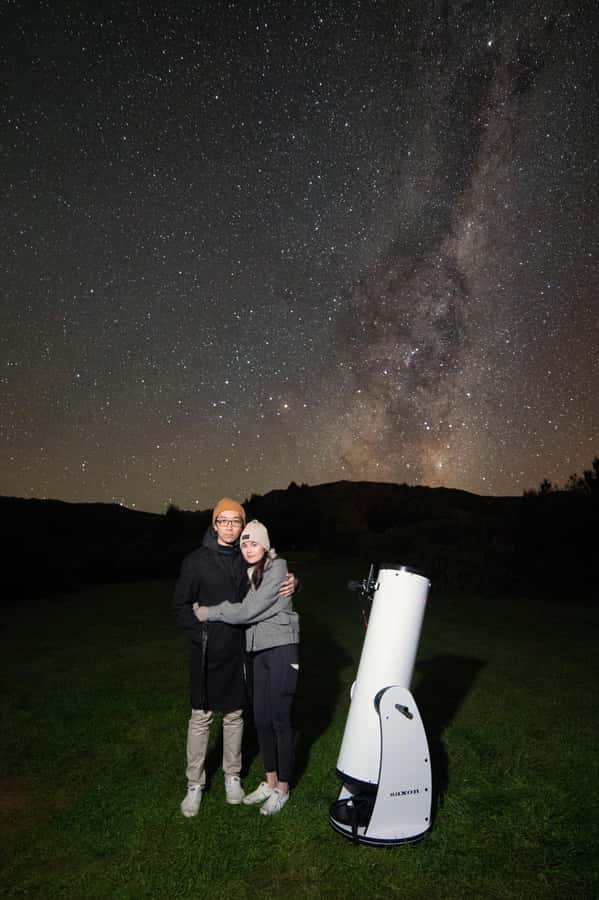
Luca is the key part of the evening. His style comes across as friendly, funny, passionate about space, and happy to explain things more than once. Several comments about the tour focus on how much information he gives without making the session feel hurried.
That balance is important. A guide can easily turn astronomy into a list of technical terms. Luca’s approach appears more conversational, which helps you ask simple questions without feeling out of place. You can arrive knowing almost nothing and still get a useful introduction to the sky.
I would recommend this most strongly to:
- First-time stargazers who want guidance instead of guessing at constellations.
- Families looking for an evening activity suitable for different ages.
- Couples or friends who want a quiet experience and a personal photo.
- Visitors interested in both traditional telescopes and modern astrophotography.
- Anyone spending several days around Akaroa who wants an activity beyond daytime sightseeing.
It may be less suitable if you dislike cool outdoor conditions, want a guaranteed view of a particular planet, or prefer a large theatrical astronomy presentation. The small-group format is personal, but it also means the experience depends on the night’s conditions and your willingness to take part.
Comfort, clothing, and practical limits
The complimentary hot drink is a welcome touch. Tea was specifically appreciated during one session, and it gives you a warm pause while you wait for your turn at a telescope. Blankets add another layer of comfort.
Still, wear warm clothing from the start. Bring closed-toe shoes and dress for standing outdoors. The supplied blanket is helpful, but it is not a substitute for a jacket or warm layers.
Do not bring alcohol or drugs, and do not use a flashlight. These rules are straightforward and make sense for a dark-sky activity. Bright light affects everyone’s ability to see, while alcohol and drugs have no place in an evening built around safety and careful equipment use.
The activity is wheelchair accessible, which makes it more approachable than many outdoor astronomy experiences. You should still confirm any specific access needs when booking, since the supplied information does not describe the exact ground surface or telescope positions.
Is $65 good value?
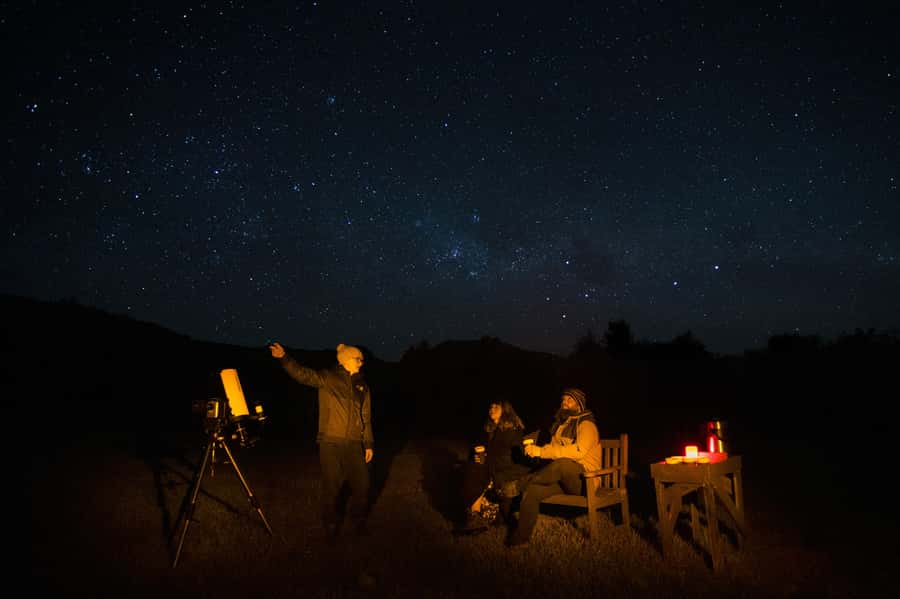
At $65 per person, you are paying for more than a look through a telescope. The fee covers a 90-minute guided session, Luca’s instruction, use of both telescopes, live digital images of nebulae and deep-sky objects, a personal night-sky photo, a hot drink, and blankets.
That is solid value if you would otherwise need to buy or arrange several parts separately. The two telescopes are the strongest reason to choose this tour over a basic guided sky talk. You get direct visual observing and a modern photo-based view, with digital records to keep.
The value depends partly on your expectations. You are not buying a private tour, and the group can include up to 10 people. You are also not paying for hotel pickup, so you need to reach the Akaroa meeting point independently.
The free cancellation policy allows cancellation up to 24 hours before the activity for a full refund. You can also reserve and pay later, which is useful when your South Island plans are still shifting. Those terms reduce the risk of booking an outdoor activity in a changeable setting.
How clear skies affect the evening
A clear night can make this tour the highlight of your Akaroa stay. One especially favorable session allowed the group to learn from every direction, with the whole sky open to view. That is the best-case scenario for the Milky Way, deep-sky objects, and the two telescopes.
Cloud changes the experience. You might still receive explanations and use some equipment, but fewer objects may be visible, and astrophotography results can be limited. The supplied information does not promise weather-related refunds or rescheduling, so check the conditions and cancellation terms before booking if the forecast looks uncertain.
I would not treat a less-than-perfect forecast as an automatic reason to skip the tour, since conditions can change. But if seeing a particular object is the main reason you want to go, remember that no outdoor stargazing session can guarantee it.
FAQ
Where does the Akaroa stargazing tour meet?
The listed starting point is 280 Long Bay Road. Your guide greets you at the car park 10 minutes before the scheduled departure.
How long does the activity last?
The full experience lasts 90 minutes. This includes a five-minute safety briefing, 75 minutes of guided stargazing, and a 10-minute photo stop.
Which telescopes will I use?
You will use a 10-inch Dobsonian telescope for direct visual observing and a ZWO Seestar S50 smart telescope for live astrophotography.
Do I receive photos?
Yes. Digital photos of nebulae and deep-sky objects are shared instantly. A personalized digital photo of you beneath the night sky is sent the next day.
What should I bring?
Bring warm clothing and closed-toe shoes. A hot drink and cozy blankets are provided. Flashlights are not allowed.
Is the tour suitable for wheelchair users?
The activity is listed as wheelchair accessible. The available information does not specify the exact surface or access arrangements at the meeting point, so contact the provider if you need details for your particular chair.
Should you book this Akaroa stargazing tour?
Book it if you want a friendly introduction to the Southern Hemisphere sky, especially if you like the idea of using two different telescopes and taking home real images from your session. Luca’s patient, funny teaching style is a major strength, and the small group keeps the evening personal.
The tour is also a good choice for families, couples, and first-time stargazers who want more than a quick look upward. Bring serious warm layers, keep your schedule flexible, and remember that clouds can shape the night. At $65, the live astrophotography, personal portrait, hot drink, blankets, and expert guidance make this a well-priced evening for most visitors to Akaroa.
Newly listed around Akaroa
- Solar Explorer in Akaroa – Sun-Viewing Tour with Telescopes★ 5.0 · 5 reviews
- Discover Akaroa: Self Guided Audio Tour★ 4.0 · 6 reviews
- Akaroa Explorer: Guided Electric Mountain Bike Tour★ 4.7 · 9 reviews
- Akaroa Nature and History Private Tour – The 7th Generation★ 5.0 · 10 reviews
- Akaroa Shore Excursion: Akaroa Harbour and Sheep Farm Local Tour★ 4.5 · 11 reviews
- Akaroa Shore Excursion: Banks Peninsula, Christchurch City and Giants House Tour★ 3.5 · 14 reviews
- Akaroa Explorer- Guided Electric Bike Tour in Akaroa★ 5.0 · 18 reviews
- Akaroa Shore Excursion: Akaroa Harbour and Giants House Local Tour★ 4.5 · 19 reviews
Akaroa Tours, compared.


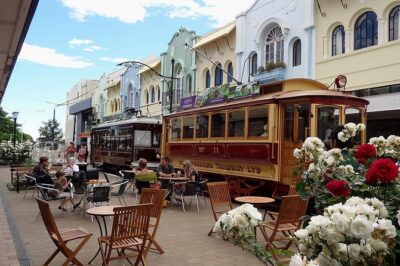
Akaroa Shore Excursion: Banks Peninsula and Christchurch City Sights Tour
Read our review →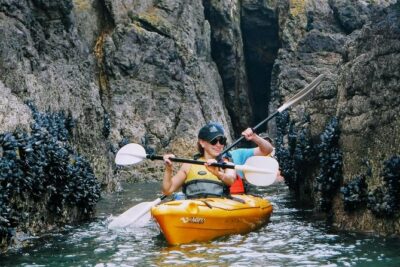
Shore Excursion Guided Sea Kayaking through Akaroa Marine Reserve
Read our review →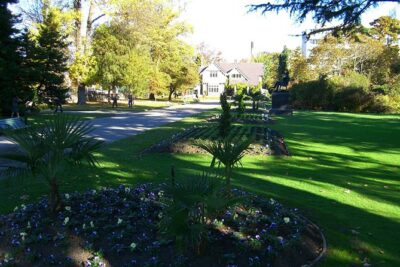
Akaroa Shore Excursion: Banks Peninsula, Christchurch City Tour and the International Antarctic Centre
Read our review →Browse the lists this tour appears in