
Reviewed · WAIHEKE ISLAND TOURS
Waiheke Island Private History and Heritage Tour
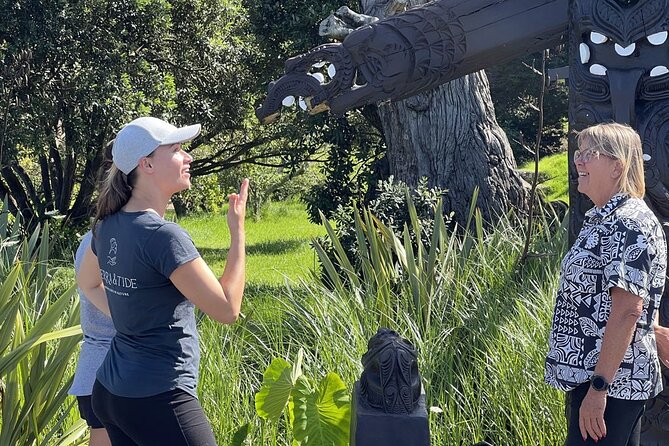
The most meaningful part of this Waiheke tour is its Māori perspective. Instead of making the island only about beaches, vineyards, and sea views, your guide connects the places you see with Māori language, carving, tattooing, medicinal plants, colonization, and the old pa site above the bush.
I like the combination of spectacular Hauraki Gulf views and a guided walk with real archaeological details, including kumara pits, shell middens, and defensive terraces. I also like that this is a private outing, so your group can ask questions and set a comfortable pace. The main consideration is that the cultural portion depends on explanation and respectful viewing. You cannot simply walk into a marae, and the local community area may not be staffed for casual visitors.
Key points to know before booking
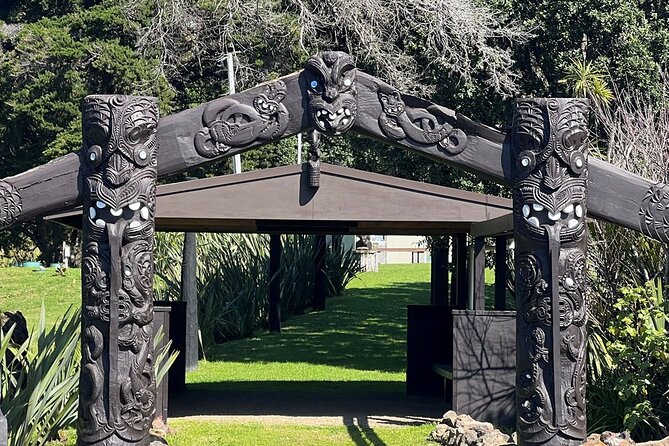
- Māori-focused interpretation: Learn about carving, traditional tattooing, language revitalization, native plants, and the effects of colonization.
- Private group format: Only your party takes part, with an expert local guide.
- Strong views from the start: The orientation includes sights across the Hauraki Gulf, Auckland City, and the Pacific Ocean.
- Archaeology on a bush walk: Reach a pa site with kumara pits, shell middens, and defensive terraces.
- Lunch is not included: You eat at a local cafe, but pay separately for food and coffee.
- Plan for extra costs: The return ferry costs $42 per adult through the operator, while optional wine and olive oil tasting costs no more than $50.
Seeing Waiheke through Māori eyes
Waiheke is easy to reduce to a pleasant day of beaches, cafes, vineyards, and ferry views. This tour asks you to look again. Your guide uses the island itself as the classroom, explaining how Māori people understand particular places and how that understanding changed under colonization.
That difference matters. You are not simply hearing a general story about Māori culture in New Zealand. You are hearing about the island beneath your feet, the community connected to it, and the traditions that continue today. The discussion includes Māori language revitalization, which gives the cultural section a present-day focus rather than treating Māori life as something belonging only to the past.
You will also hear about carving and traditional tattooing. These subjects are not included as quick photo stops. They are presented as practices with meaning and importance within Māori culture. The exact depth of the conversation will depend on your guide and your questions, so come ready to listen and ask politely.
The tour has earned a high overall rating of 4.7 from seven reviews, but you should understand what kind of experience you are booking. This is not a staged cultural show, and it is not a guaranteed visit inside a marae. That distinction is especially important if you expect a formal welcome or a set performance.
More History Tours in Waiheke Island:
- Waiheke Island History and Heritage Tour
★ 5.0 · 39 reviews - Auckland: All Blacks Experience Guided Cultural Tour
★ 4.7 · 453 reviews - All Blacks Experience: Interactive Guided Cultural Tour
★ 4.5 · 228 reviews
Meeting your guide at Matiatia Wharf
The day begins at the Fullers360 Matiatia ticket office at 1 Ocean View Road, Oneroa, at 9:45 a.m. You arrange your own ferry to Waiheke, unless you purchase the return tickets through the operator for $42 per adult.
Matiatia is the natural arrival point for a day on the island. Once you meet your local guide, the tour begins with an orientation around Waiheke. This opening helps you get your bearings and places the rest of the day in context.
The early views are one of the strongest parts of the outing. You may see across the Hauraki Gulf toward Auckland City, with open Pacific Ocean views as the tour moves around the island. If you are deciding between a standard sightseeing trip and this private experience, these views provide the scenic payoff, while the guide adds the cultural meaning.
The timing also works well for ferry passengers. The activity starts in the morning and lasts about six hours, with the guide taking you back toward the wharf in time for the 4 p.m. return ferry. If you prefer to stay longer, you can be dropped in Oneroa instead. From there, the ferry is reached by about a 15-minute walk or a short bus ride.
Oneroa and the island orientation
Oneroa is listed as the first stop, and it is also the island’s main village. It is a practical place to finish if you want more time for your own browsing after the guided portion.
At the start of the tour, though, the focus is broader than the village. The guide gives you an orientation to Waiheke, pointing out the island’s sea views and the places that shape its identity. You will visit white sand beaches and hear the stories tied to the areas you pass through.
The beach stops are not presented as isolated scenic pauses. Their value comes from hearing how people have used and understood these places. You get the pretty view, but you also get a reason to pay attention to the setting beyond taking a quick photograph.
I would keep your schedule flexible here. The tour covers several parts of the island, and the exact rhythm may depend on questions, road conditions, and how long the group spends at each site. Since it is private, you have more room for conversation than you would on a large coach tour.
Understanding the marae and cultural boundaries
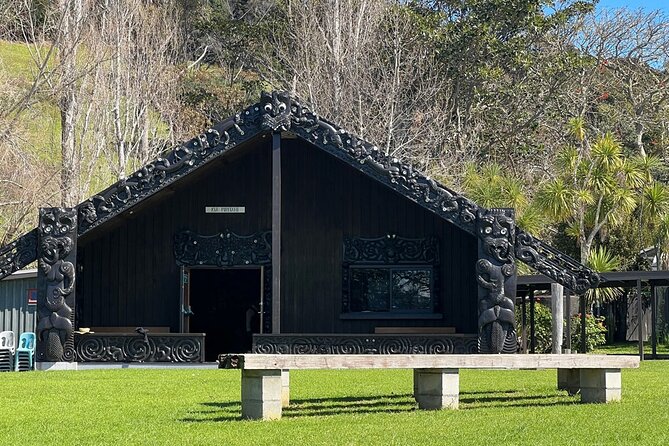
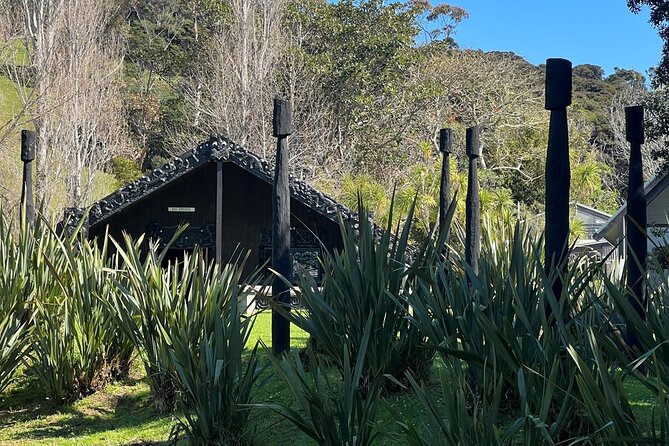
One of the most important practical points concerns the marae, the focal point of the Māori community on Waiheke. You may see the welcome hut and learn about the role of the community area, but you should not expect to walk in freely.
A marae is not a visitor attraction staffed throughout the day. Entry requires a formal welcome called a powhiri. The tour’s cultural purpose is to explain and respect that setting, not to treat it like a museum that anyone can enter whenever they arrive.
This can be a point of confusion for visitors who expect a more direct encounter. If your idea of a cultural tour means entering a marae, meeting community members, and taking part in a ceremony, this outing may feel more observational than expected. If you appreciate learning why access is formal and why boundaries matter, the explanation itself becomes a useful part of the day.
You should also understand that the tour does not promise a performance. The supplied details identify an expert local guide, but no individual guide name is given. The quality of your experience will rest heavily on the guide’s ability to explain Māori traditions clearly and respond to your questions.
A few more Waiheke Island days to compare
- Waiheke island Wine Tours – PREMIUM wine tasting MAX 11 clients !
★ 5.0 · 1,378 reviews - Waiheke Island Premium Wine Tour with Tastings
★ 5.0 · 504 reviews - Waiheke Island: Zipline And Forest Walk
★ 5.0 · 483 reviews - Taste of Waiheke Food and Wine Tour
★ 4.5 · 465 reviews
Beaches, sea views, and the stories behind them
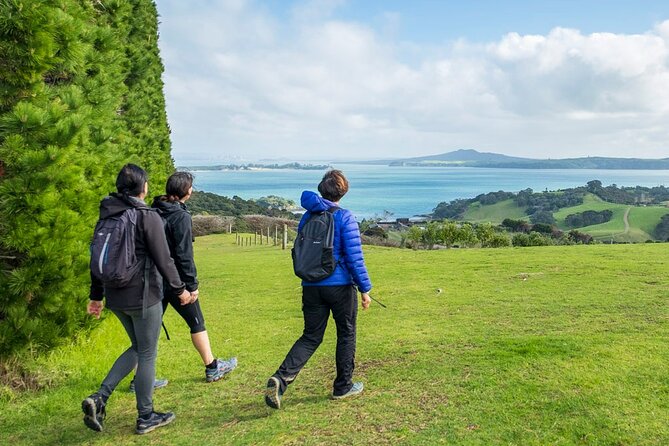
Waiheke’s white sand beaches are an obvious highlight. The views across the gulf and toward Auckland give the tour a strong scenic side, and the open outlook helps break up the cultural and historical discussions.
What I like here is the balance. You are not spending six hours indoors listening to a lecture. You are moving through the places being discussed, from beaches to bush and elevated archaeological sites. That makes the information easier to connect with.
The guide also explains the history of the places you see. Since the details provided do not name each beach or specify a fixed stop duration, you should think of this as a guided island circuit rather than a beach day. There may be time to appreciate the shore, but the purpose is understanding the island, not swimming or sunbathing.
Bring sensible clothing for a day that combines roadside viewpoints, beaches, and a native bush walk. The supplied information does not give a detailed packing list, so use ordinary day-tour judgment and wear shoes suitable for walking.
Native bush, plants, and the climb to the pa
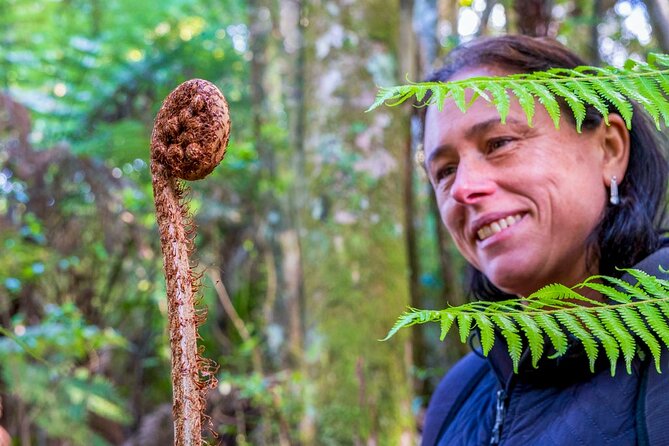
The most distinctive active section is a guided walk through native bush. Here your guide explains traditional and medicinal Māori uses of native plants. This gives you a practical way to see the bush, not just a list of plant names.
You may also see native birds such as tui, kereru, and piwakawaka. Sightings are not guaranteed, but the possibility adds another reason to move quietly and pay attention. The bush section is a good fit for anyone who likes natural settings but wants more than a scenic stroll.
The walk continues to the summit of a pa, or fortified village site. Archaeological remains include kumara pits, shell middens, and defensive terraces. These features show how the site supported food storage, daily life, and protection.
This is where the tour’s historical material becomes especially tangible. A defensive terrace is easier to understand when you are standing on the site, and shell middens offer a direct clue to past food use. The remains may not look dramatic in the way a restored stone fort does, but their value is in what they reveal about settlement and strategy.
The walk does add a physical element to the day. The information says most participants can take part, but it does not give a distance, grade, or surface details. If you have mobility concerns, contact the operator before booking rather than assuming the archaeological walk will be easy.
Lunch at a local cafe
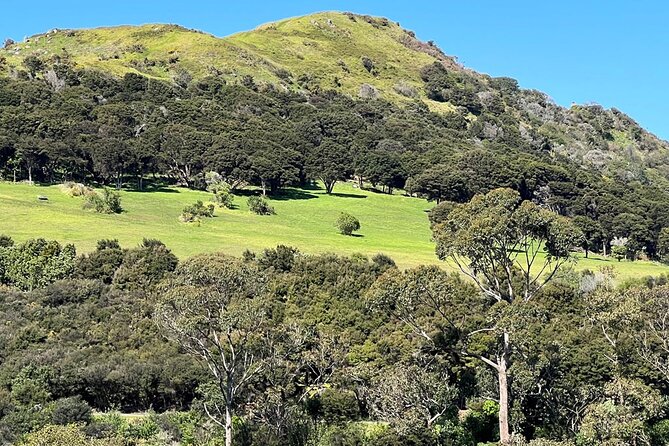
Lunch takes place at a local cafe, with food and coffee available for an additional charge. This keeps the meal flexible, since you can choose what suits your appetite and budget.
The tradeoff is simple: lunch is not part of the $465.43 per-person price. You should allow extra money for the cafe, along with the ferry and any optional tasting. Since the tour lasts about six hours, you will want to plan for a proper meal rather than treating this as a quick snack stop.
The cafe break also gives the day a useful pause. After the island orientation and cultural discussions, you have time to sit down before the bush walk and pa site. The details do not specify the cafe’s menu or whether dietary requirements can be handled, so ask ahead if food restrictions are important to you.
Optional wine and olive oil tasting
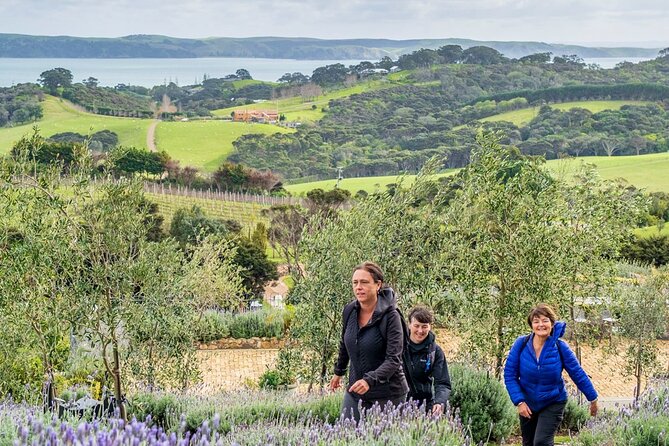
Wine and olive oil tasting is available as an optional extra. The additional cost will not exceed $50, but it is not part of the core tour.
This can appeal to visitors who want to pair Māori history with another well-known part of Waiheke’s identity. Still, it should be treated as an add-on rather than the reason to book. The central experience is the cultural interpretation, beaches, native bush, and archaeological site.
If you are watching the budget, skip the tasting and spend the extra money on lunch or keep it for your ferry and time in Oneroa. If your group has different interests, the private format makes it easier to decide together.
What the $465.43 price really buys
At $465.43 per person, this is a costly day out. You still pay separately for the ferry, lunch, and optional wine or olive oil tasting. The return ferry can be purchased through the operator for $42 per adult, so the basic day costs more than the headline tour price once transport and food are added.
The value is in the private format and local interpretation. You are paying for a guide dedicated to your group, rather than joining a large island sightseeing bus. That matters if you want to ask detailed questions about Māori customs, language, plants, archaeology, or the effects of colonization.
The price is harder to justify if you mainly want beaches, wineries, or a low-cost island overview. You can spend less by taking the ferry and exploring independently, though you would not receive this focused Māori perspective or the guided visit to the pa site.
I would consider the tour strongest for a small group that values personal guiding and wants cultural context to shape the day. For one person or a couple on a tight budget, the per-person cost may feel steep. For a family or group splitting the value of a private guide, it may make more sense.
Who should book this Waiheke tour
I would recommend it to you if you want:
- A private day with your own group rather than a shared excursion
- Māori history and present-day cultural context
- Scenic beaches and gulf views with explanation
- A native bush walk focused on traditional plant use
- Archaeological remains at a pa site
- A structured day that ends in time for the 4 p.m. ferry
You may want another Waiheke experience if your priority is wine tasting, beach time, or a formal cultural ceremony. This tour includes optional wine and olive oil tasting, but that is not its main purpose. It also does not guarantee entry to a marae or a powhiri.
Service animals are allowed, the tour is near public transportation, and the operator states that most people can participate. Confirmation arrives at booking, and the ticket is mobile, which keeps the ferry and meeting arrangements simple.
Should you book it?
Book this tour if you want to understand Waiheke through Māori stories, local places, native plants, and archaeology, and you are willing to pay for a private guide. The views are excellent, but the real reason to choose it is the connection between scenery and culture.
Skip it if you expect a staffed marae, a formal welcome, or a performance. The day offers respectful cultural education rather than open access to a community site. Free cancellation is available until 24 hours before the start time, so you have some flexibility while making that choice.
FAQ
Where does the tour begin?
The tour begins at the Fullers360 Matiatia ticket office at 1 Ocean View Road, Oneroa, Auckland 1081. The start time is 9:45 a.m.
Is the ferry to Waiheke included?
No. Ferry tickets are not included. The operator can sell return ferry tickets for $42 per adult.
How long does the tour last?
The experience lasts approximately six hours. Your guide aims to return you to the wharf in time for the 4 p.m. ferry.
Is lunch included?
No. Lunch is at a local cafe, but you pay separately for your food and coffee.
Is wine and olive oil tasting included?
No. Wine and olive oil tasting is optional, and the additional cost will not exceed $50.
Is this a private tour?
Yes. Only your group participates in the activity, with an expert local guide.
Can I cancel for a full refund?
Yes. You can cancel at least 24 hours before the experience start time for a full refund. Changes or cancellations made less than 24 hours in advance are not accepted for a refund.
Newly listed around Waiheke Island
- Full Day Private Waiheke Island Wine Tour Including Lunch★ 5.0 · 7 reviews
- Private Dog Friendly Wine Tour with your Local Guide★ 5.0 · 8 reviews
- Waiheke Island: Scenic PREMIUM Wine Tour. Max 11 clients★ 4.9 · 8 reviews
- Flavours of Waiheke, wine, beer, spirits INCLUDES lunch – MAX 11★ 5.0 · 9 reviews
- Sea, Land & Sky Premium Package★ 4.6 · 12 reviews
- 5 or 7 hour Far End of Waiheke Scenic Wine Tour in Electric Vans★ 5.0 · 13 reviews
- An Hour long Taste of the Segway Sensation and Sightseeing fun★ 5.0 · 13 reviews
- Waiheke Island: Afternoon Wine Affair with Ocean Front Lunch★ 5.0 · 13 reviews
Waiheke Island Tours, compared.
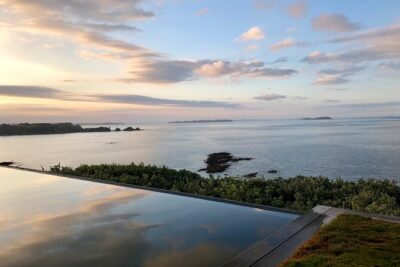
Waiheke Island Premium Wine Tour with Tastings
Read our review →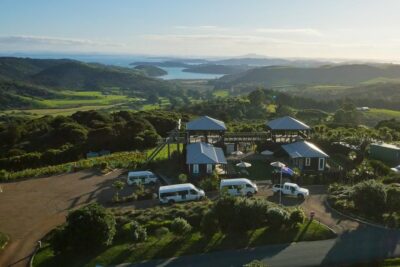

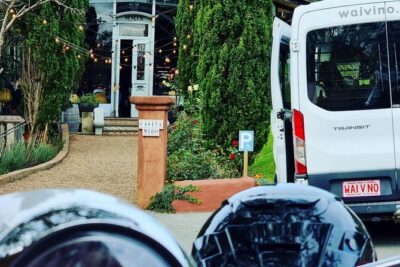
WAIHEKE ZEITGEIST Small Groups Ultra Boutique Off Grid Wine Tours
Read our review →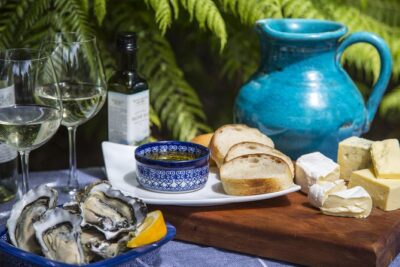
Waiheke Island Wine Tour with Scenic Vineyards & Tastings
Read our review →
Waiheke Island Wine Tour with Tastings & Gourmet Beachfront Lunch
Read our review →Browse the lists this tour appears in