
Reviewed · TAURANGA TOURS
Tauranga History and Culture
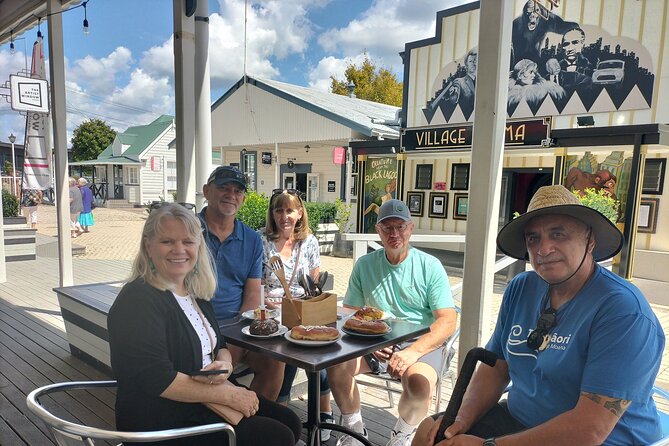
The heart of this Tauranga tour is its Māori storytelling. Your local guide, Les, connects the city’s sites to tribal ancestry, ancient customs, the arrival of Kupe in 925AD, and the conflicts that shaped the region. I like the small group of no more than nine and the way the day joins history with ordinary local life, including a stop for a New Zealand pie. I also like that you visit a working marae rather than simply viewing Māori culture from a distance.
The main thing to consider is that this is a conversation-led cultural tour, not a performance show. There is no Māori dance included, and one past assessment noted that the day could use more scenic stops. You will see fine harbour views at Summerhill, but most of your time is spent listening, walking, and asking questions.
Key points at a glance
- Stories reaching back to 925AD: Learn about Kupe, Hawaiiki, and the Polynesian compass known as Te Kāpehu.
- A personal Māori guide: Les draws on family ancestry, tribal connections, teaching experience, and local knowledge.
- Gate Pā explained on site: Walk through one of the key 1864 conflicts between Māori forces and British colonial troops.
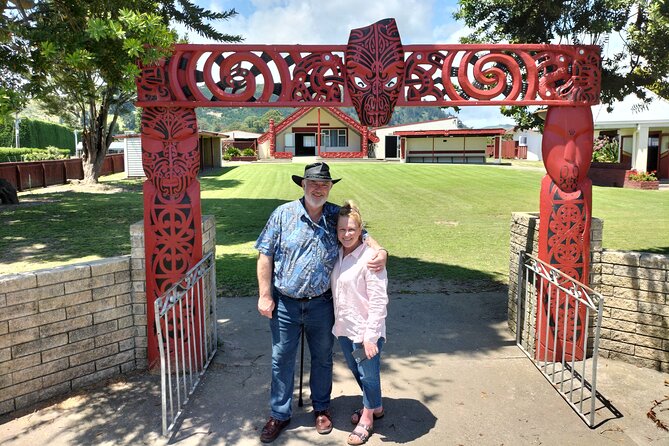
- A real marae visit: Spend time at Tahuwhakatiki Marae learning about local customs, community, and belonging.
- A famous New Zealand pie stop: Buy lunch at Patrick’s Pies Goldstar Bakery, a nine-time national award winner.
- A genuinely small outing: The air-conditioned vehicle carries a maximum of nine people, with pickup available at the Port of Tauranga.
What this Tauranga experience is really about
Many Tauranga excursions focus on beaches, Mount Maunganui, or quick photo stops. This one takes a different route. It uses the city and nearby sites as a classroom, with Māori history placed at the center of the day.
That matters because the stories are tied to actual places. You are not just given a general introduction to Māori traditions. You hear about the people, battles, arrivals, and customs connected to Tauranga and the surrounding tribal area.
Travel Ed is operated by a Māori family with links to the Tauranga tribal area. The guides have education backgrounds in both Aotearoa and overseas, and the experience is designed around teaching and conversation. That gives the day a more thoughtful feel than a quick sightseeing circuit.
Les is the guide most directly associated with the experience. He has been described as a Māori teacher and leader who brings family ancestry and tribal connections into his explanations. His strength appears to be making history personal and understandable, especially for people who want more than a list of dates.
The small group helps. With no more than nine people, you have a better chance to ask questions and hear the guide clearly. The tone is intended to become friendly and personal by the end, though the exact feel will depend on the group and the guide working that day.
More History Tours in Tauranga:
- Tauranga Shore Excursion: History & Kiwifruit Tasting – 4 Hours
★ 5.0 · 146 reviews - Tauranga Harbour Scenic One Hour Historical Boat Cruise
★ 4.5 · 32 reviews - Guided Māori History and Culture Tour to Rotorua and Tauranga
★ 5.0 · 21 reviews
From Mount Maunganui to Tauranga
The tour begins at the Port of Tauranga in Mount Maunganui, with pickup offered from the listed meeting point at 2 Salisbury Avenue. The drive to Tauranga takes about 30 minutes, and that travel time is included in the five-and-a-half-hour duration.
As you drive, your local tribal guide talks about Mount Maunganui, the ancestral mountain that gives the area much of its identity. You also take in the beaches on the way toward Tauranga.
This is a useful opening because it gives you a sense of place before the formal history begins. You are not dropped into a museum room. The mountain, coast, and harbour are part of the introduction.
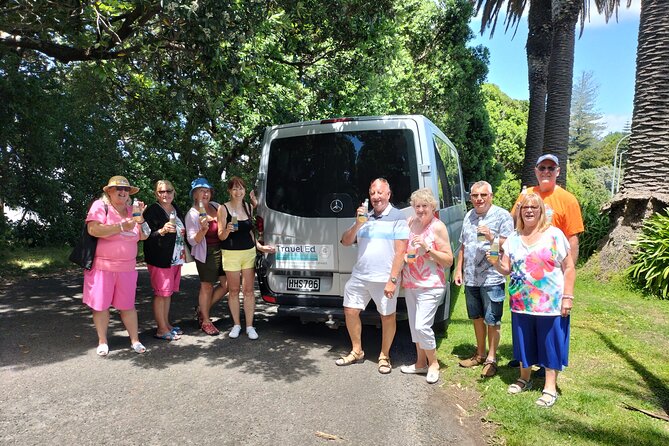
The tour uses an air-conditioned vehicle and includes bottled locally produced mānuka sparkling water. The itinerary includes several drives, so the vehicle is an important part of the experience rather than just a ride between two attractions.
Tauranga, Kupe, and the Polynesian compass
The first main stop in Tauranga lasts about 25 minutes. Here, the story reaches back to Kupe, described as the first known Polynesian explorer to arrive in Aotearoa from Hawaiiki in approximately 925AD.
You will also see an example of a Polynesian compass, Te Kāpehu. This gives the early navigation story something concrete to focus on. Instead of hearing only about long ocean voyages, you get a physical illustration of how Polynesian direction-finding worked.
The stop is relatively brief, so do not expect a full museum-style presentation. Its value comes from setting the cultural and historical framework for the rest of the day. The guide’s explanation links the modern city to the people who knew and navigated these waters centuries ago.
I especially like this part for visitors who want context. Tauranga can otherwise seem like a pleasant coastal city with a dramatic mountain nearby. This stop helps explain that the area has a much older story than its colonial buildings and modern waterfront suggest.
The 1828 conflict site and Mission House
After Tauranga, a short drive of about ten minutes takes you into a later period, beginning around 1828. This section covers inter-tribal conflict, the arrival of settlers and missionaries, and the British colonial forces that became involved in the region.
The shift in subject is important. Māori history is not presented as something that ended with early exploration. The tour moves through the difficult changes brought by contact, religious missions, settlement, and colonial power.
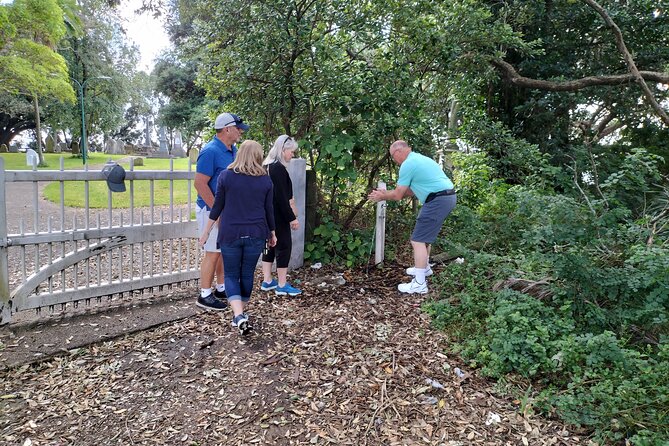
You also stop briefly near the Mission House. The building is connected to the conflict that followed, and the area includes New Zealand’s oldest free-standing library. The visit is momentary, so think of it as a meaningful roadside pause rather than an extended interior tour.
This part may suit you if you prefer history that includes tension and disagreement. It is not a soft-focus cultural presentation. The day deals with warfare, political pressure, and the effects of British expansion alongside Māori perspectives.
A few more Tauranga days to compare
- White Water Rafting – Kaituna Cascades, The Originals
★ 5.0 · 1,274 reviews - Tauranga Shore Excursion: Rotorua Highlights
★ 4.5 · 427 reviews - Tauranga: Evening Glowworm Kayak Tour
★ 5.0 · 311 reviews - 6.5 hour Small-Group Rotorua Naturally Shore Excursion – Tauranga
★ 4.5 · 283 reviews
Patrick’s Pies and the practical pleasure of lunch
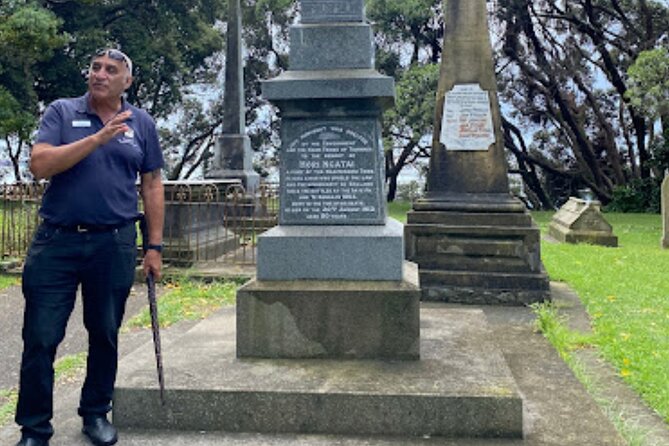
The stop at Patrick’s Pies Goldstar Bakery lasts about 30 minutes. Lunch is not included, but you can buy a pie or another item at the bakery.
The bakery has won the New Zealand pies supreme award nine times, making this more than a random snack stop. The humble meat pie is an everyday New Zealand food, and trying one gives you a small taste of local life without turning lunch into a formal tourist production.
I like this break in the schedule. Five and a half hours of history and walking can become heavy, so a casual food stop gives you time to sit, eat, and reset. It also keeps the price lower than a tour that includes a catered meal.
Bring your appetite, but do not assume the bakery stop replaces every kind of lunch. Food is an extra cost, and the listed tour price does not include it. If you have dietary restrictions, the supplied information does not specify what alternatives are available, so ask when booking.
Gate Pā and the 1864 battle
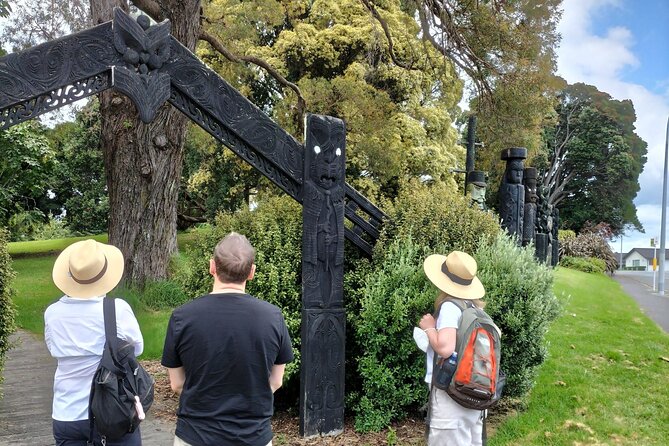
Gate Pā Memorial Reserve is one of the most important stops. The visit lasts about 45 minutes, and you walk through the events of the 1864 conflict between British colonial troops and local Māori tribes.
The guide explains the battle, the carvings, and what the conflict meant to the people involved. Hearing this account at the site gives the history more weight than a short explanation while driving past a sign.
Gate Pā is also a place where the tour’s teaching approach matters most. The story is not reduced to military tactics or a simple victory-and-defeat narrative. You learn about the human and political meaning of the battle from a Māori perspective connected to the area.
Expect some walking here. The operator notes that the tour can be difficult for anyone who finds 20 minutes or more on foot challenging. The total walking is not presented as strenuous hiking, but comfortable shoes and a reasonable level of mobility will make the day easier.
Tahuwhakatiki Marae and local traditions
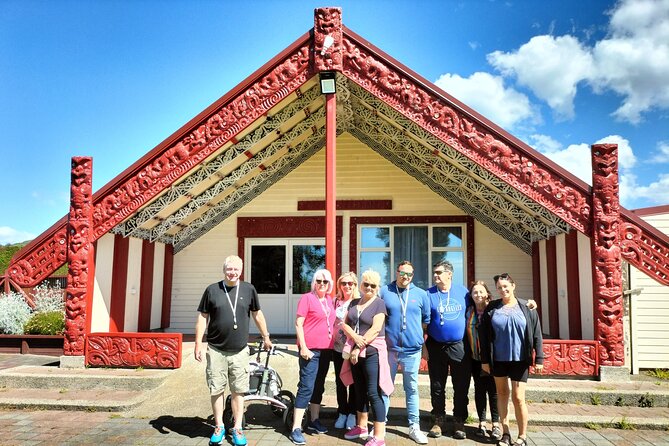
The visit to Tahuwhakatiki Marae lasts about 40 minutes. This is the most direct encounter with local Māori community life on the itinerary.
At the marae, you learn about local traditions, connections, stories, and the sense of community tied to the place. The goal is not simply to look at carvings or a building. You are introduced to the relationships and customs that give a marae its meaning.
This is the part that separates the outing from a standard city tour. You receive an explanation from people connected to the local culture, rather than treating Māori traditions as something frozen in the past.
The experience does not include a Māori dance performance. That may disappoint you if you are specifically seeking music, ceremony, or staged entertainment. If you want a quieter and more educational visit, the marae stop is likely to be the stronger choice.
Marae visits can also require respectful listening and an open attitude. The supplied information does not list a detailed protocol for the visit, so follow your guide’s instructions about where to stand, when to speak, and how to take photographs.
Summerhill views over Tauranga Harbour
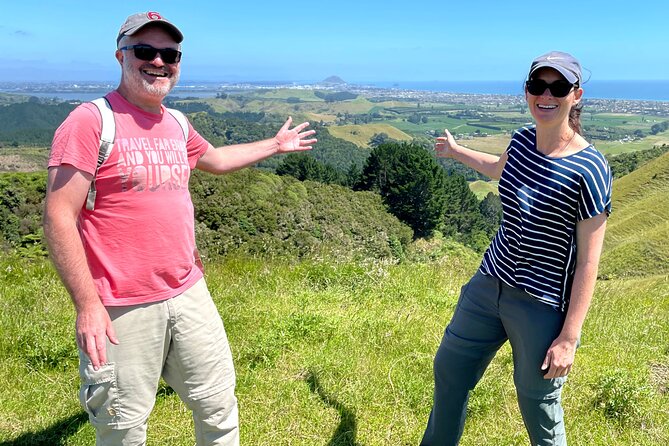
The final listed stop is at Summerhill Charitable Trust, where you spend about 30 minutes taking in views of Tauranga Harbour and the coastline from the surrounding hills.
This is the most scenic portion of the day. It gives you time to look back at the area after hearing its stories, and it adds some fresh air and visual variety to a schedule centered on historical sites.
Still, scenic time is limited. One assessment of the tour suggested that more views could be added, and that is a fair point to keep in mind. You should not book this expecting a full coastal sightseeing trip or a long Mount Maunganui visit.
The harbour stop works best as a closing viewpoint. It rounds out the day without changing its main purpose, which is cultural learning.
How the price compares with what you receive
At $129.84 per person, this is not the cheapest way to spend half a day in Tauranga. The price includes transport, all fees and taxes, bottled mānuka sparkling water, and the services of a local Māori guide. Your bakery lunch is extra.
The value depends on what you want from a tour. If you mainly want beaches and photographs, you may find the price high for the amount of scenic time. If you want a small-group history lesson with access to sites and a marae that would be difficult to understand on your own, the cost is easier to justify.
You are paying for more than transportation. The guide’s family and tribal connections shape the day, and the teaching element is central. That is particularly useful if you are visiting Tauranga on a cruise stop and want a structured introduction to Māori history without arranging several separate visits.
The tour is often booked well ahead, with an average booking point of 156 days in advance. That suggests you should plan early, especially if your port schedule is fixed. A minimum of four people is required for the tour to operate, so confirmation is subject to availability within 48 hours of booking.
Timing, walking, and who should book
The full activity lasts about five hours and 30 minutes, including driving. It begins and ends at the Port of Tauranga meeting point, and the listed operating hours are 9:00 in the morning to 3:00 in the afternoon, Monday through Sunday, for the stated operating period.
The day suits you if you enjoy history, conversation, and learning directly from a local cultural guide. It is also a good match for cruise passengers who want an organized outing with port pickup and return to the same meeting point.
You should think twice if your priority is constant movement or dramatic scenery. There are several drives, a momentary stop at the Mission House, and walking at Gate Pā. The outing can be challenging for anyone who struggles with walking for 20 minutes or more.
Most people can participate, and service animals are allowed. The tour is near public transportation, but the practical meeting point remains the Port of Tauranga.
Free cancellation is available up to 24 hours before the start time for a full refund. Changes or cancellations made inside that 24-hour window are not accepted or refunded.
Should you book Tauranga History and Culture?
Book this tour if you want Tauranga explained through Māori ancestry, local stories, and difficult historical events. Les and the other local guides bring a personal teaching approach, and the small vehicle makes it easier to ask questions. Gate Pā and Tahuwhakatiki Marae are the key reasons to choose it.
Skip it if you are looking for a performance, a long beach visit, or a scenic drive with only light commentary. There is no Māori dance, lunch is extra, and the itinerary gives more time to history than to views.
For the right person, this is a useful and respectful introduction to Tauranga. You leave with a clearer sense of how Kupe, tribal connections, colonial conflict, community traditions, and the modern city fit together.
FAQ
Where does the tour begin and end?
The tour begins at Port of Tauranga, 2 Salisbury Avenue, Mount Maunganui 3116, New Zealand. It ends back at the same meeting point.
How long does the tour last?
The experience lasts approximately five hours and 30 minutes, including travel time between stops.
What is included in the price?
The price includes an air-conditioned vehicle, all fees and taxes, and bottled locally produced mānuka sparkling water.
Is lunch included?
No. You can buy lunch, such as a New Zealand pie, at Patrick’s Pies Goldstar Bakery or a similar bakery. Lunch is an additional cost.
How many people can join the tour?
The tour has a maximum of nine travelers. A minimum of four guests is required for the experience to proceed.
Is the tour suitable for people with limited mobility?
Most people can participate, but the operator notes that the tour may be challenging for anyone who finds walking for 20 minutes or more difficult.
Can I cancel for a full refund?
Yes. You can cancel at least 24 hours before the experience start time for a full refund. Cancellations or changes made less than 24 hours before the start time are not accepted or refunded.
Newly listed around Tauranga
- Private Tauranga Day Trip-Rotorua Geysers & Canopy Tree Walk.★ 5.0 · 5 reviews
- Private Rotorua Tour from Tauranga (Max 11)★ 5.0 · 5 reviews
- Rotorua: Te Puia Maori Village and Rejuvenation Tour★ 4.9 · 5 reviews
- Dolphin & Wildlife Encounters★ 5.0 · 6 reviews
- Tauranga: Waimarino Adventure Park Supreme Pass Entry Ticket★ 3.8 · 6 reviews
- Scenic Short Hike Tour – Papamoa Hills and McLaren Falls★ 5.0 · 7 reviews
- Hells Gate Geothermal, Mud & Sulphur Spa★ 4.0 · 7 reviews
- Tauranga: Mount Maunganui Hot Pools Experience★ 4.5 · 7 reviews
Tauranga Tours, compared.
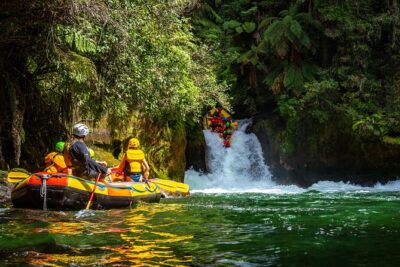
White Water Rafting – Kaituna Cascades, The Originals
Read our review →
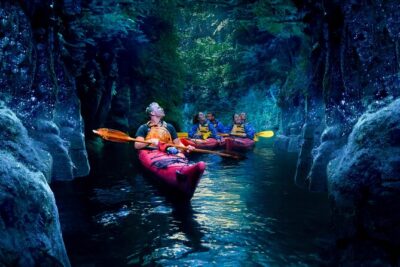
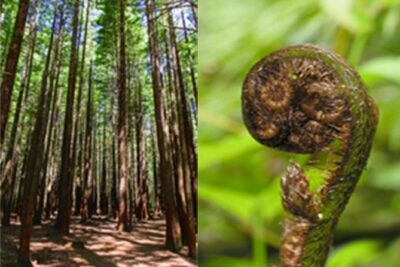
6.5 hour Small-Group Rotorua Naturally Shore Excursion – Tauranga
Read our review →
Hobbiton Movie Set Shore Excursion from Tauranga (6 Hours)
Read our review →
Hobbiton Transport & Tauranga Highlights Excursion from Tauranga
Read our review →
Browse the lists this tour appears in