
Reviewed · CHRISTCHURCH TOURS
Christchurch: Ōtautahi Meander Walking Tour with Tastings
Christchurch’s story begins long before its familiar cathedral, rebuilt streets, and earthquake memorials. This two-hour Ōtautahi Meander introduces the Māori meaning of the city, traces Māori and settler ways of life, and links old food-gathering places with the modern centre. It is a history walk with something to eat along the way, not simply a sightseeing circuit.
I like the way the tour joins Māori and European history instead of treating them as separate chapters. I also like the small-group feel described by guests, which gives guides such as Ash, Riwa, and Spud room to answer questions. The main consideration is its short length: two hours gives you a useful introduction, but not an exhaustive tour of Christchurch.
Key points to know before you book
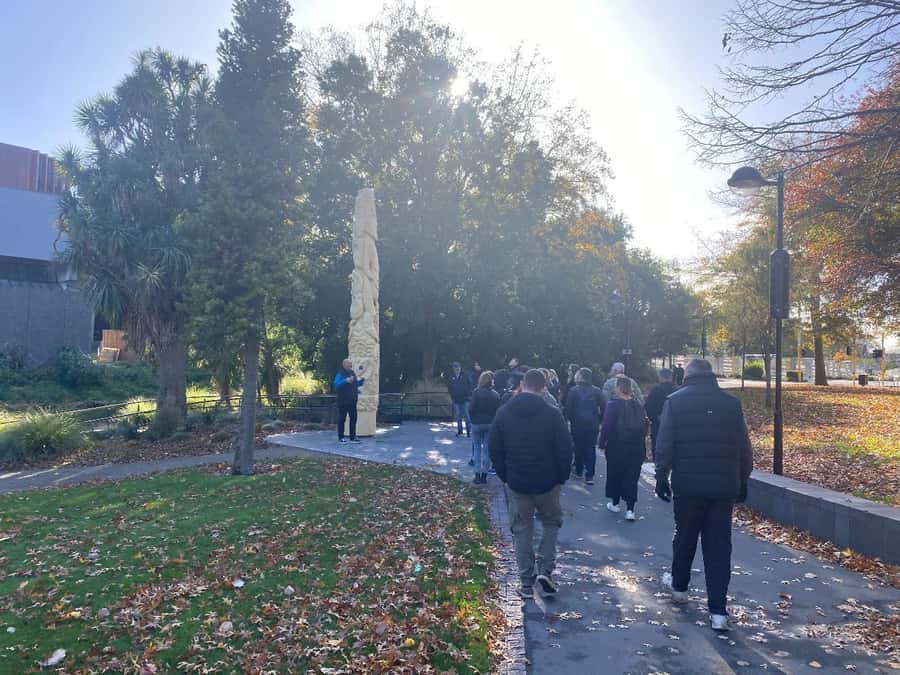
- Ōtautahi has a story before Christchurch: Learn what the Māori name means and how the city’s past reaches back to Māori food-gathering and settlement sites.
- The food is part of the lesson: Morning tea and tastings from local artisan producers add a practical link between traditional foodways and present-day Christchurch.
- Guides bring different strengths: Ash, Riwa, and Spud have led the experience, with particular praise for friendly storytelling, Māori culture, and Christchurch history.
- The pace is manageable: The walk lasts two hours, with time for questions and stops in central laneways.
- You begin at a central landmark: Meet in front of the Bridge of Remembrance on the shopping precinct side.
- Plan for walking outdoors: Comfortable shoes, water, sunscreen, and a sun hat are sensible, and the tour is listed as wheelchair accessible.
Starting at the Bridge of Remembrance

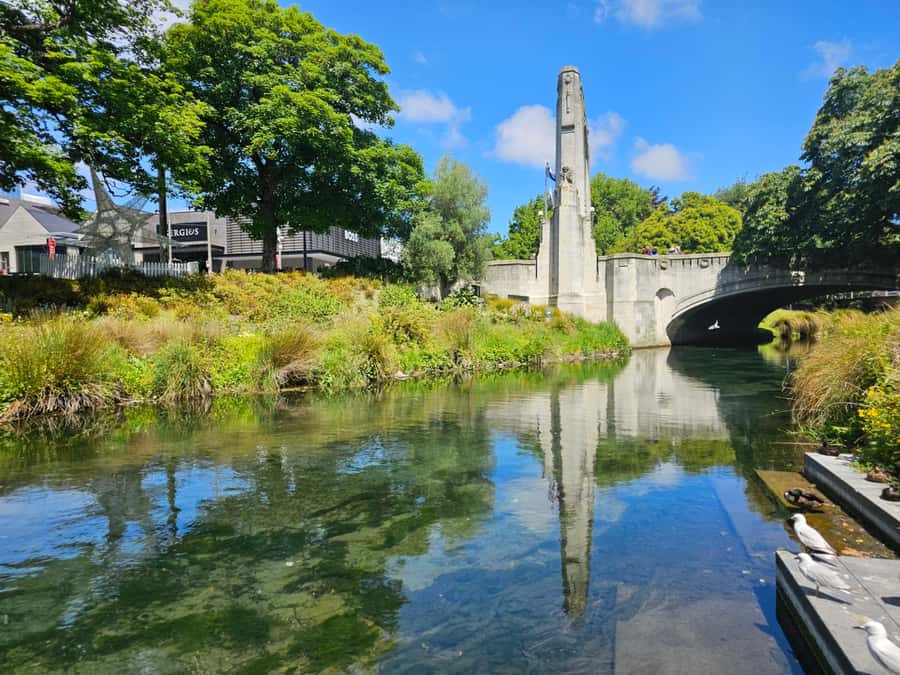
Your meeting point is in front of the Bridge of Remembrance, on the shopping precinct side. That places you in central Christchurch, close to the city’s shops and laneways, rather than at a hotel or outlying attraction. Hotel pickup and drop-off are not included, so plan to reach the bridge under your own steam.
The location also sets the tone. The Bridge of Remembrance is a well-known Christchurch landmark, but the tour uses it as a starting point for a much older story. Instead of rushing straight into a list of buildings, your guide begins with the name Ōtautahi and explains why the Māori name matters.
That opening is useful because place names are often treated as decoration. Here, the name gives you a way to understand Christchurch through Māori connections to the area. You are not only learning what the city is called. You are learning that the city has more than one historical frame, and that the Māori story is central rather than an optional extra.
More Walking Tours in Christchurch
- Full Day Guided Walking Tour and Picnic around Godley Head
★ 5.0 · 147 reviews - Ōtautahi: Christchurch Small-Group Inner City Food Walking Tour
★ 5.0 · 85 reviews - Lyttelton Shore Excursion – Guided Walking Tour and Picnic
★ 5.0 · 57 reviews
What Ōtautahi adds to the Christchurch story
The tour explains the meaning behind Ōtautahi and follows the footsteps of ancestors through the modern city. The supplied details do not give a fixed word-for-word translation or a full route map, so you should expect the guide to shape this part around the place, the group, and questions that come up.
That flexible approach matters on a walking tour. A guide can pause when a site raises a question, explain a Māori term, or connect a street corner with an older use of the land. The experience is less like reading a plaque and more like getting help to see familiar central Christchurch with new eyes.
You will hear about Māori and settler ways of life, including how those stories have been woven into the city. The aim is not to present two isolated tours in one package. The most useful part is the connection between them, with the guide showing how the city’s identity has formed through contact, change, cooperation, and tension.
A recent guide, Riwa, was especially praised for presenting Māori and European heritage as connected rather than opposing sides. That point gives you a good idea of the tone to expect. This is a cultural tour, but it is not framed as a lecture or a contest over which history matters more.
Mahinga kai and pā sites in the city centre
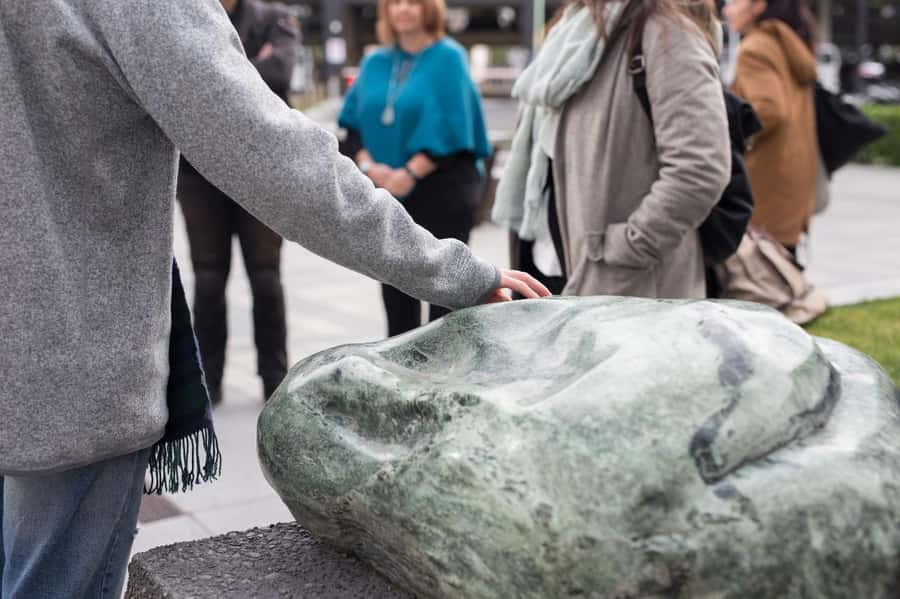
One of the tour’s more distinctive features is its focus on traditional mahinga kai, meaning food-gathering places, and pā, or Māori village sites. These may not look dramatic in the way a preserved fort or stone ruin does. In a modern city, their value comes from learning how to read the place beneath its current buildings and streets.
Your guide brings past and present together by explaining how these sites relate to the city today. The information provided does not name every stop or promise visible remains at each location, so you should not expect a conventional archaeological tour. Instead, the experience gives context to places that can be easy to pass without noticing.
This is where the food tastings make sense. The tour does not treat eating as a random reward at the end of a walk. Food connects to the idea of mahinga kai and to the guiding principle of manaakitanga, which is described as care for your people. You learn about that principle alongside a modern food scene shaped by local producers.
The tour also introduces the whakataukī, or proverb, Kia atawhai ki te iwi, translated here as Care for your people. You do not need prior knowledge of Māori language or customs to follow this. A live English-speaking guide explains the terms and places them in the wider story of hospitality, community, and responsibility.
A traditional greeting and the meaning of manaakitanga
A traditional Māori greeting begins the cultural side of the experience. The details do not specify the exact form of the greeting, so your guide will explain what is appropriate on the day. That is a good reason to arrive ready to listen rather than assuming you already know what will happen.
The greeting is not a staged show added for atmosphere. It introduces the idea that how people meet, welcome one another, and care for one another matters. From there, manaakitanga becomes a thread through the walk.
I value this kind of explanation because it gives cultural information a practical shape. You are not simply memorizing a word. You are being shown how a principle can guide the way people relate to each other, host others, and tell the story of a place.
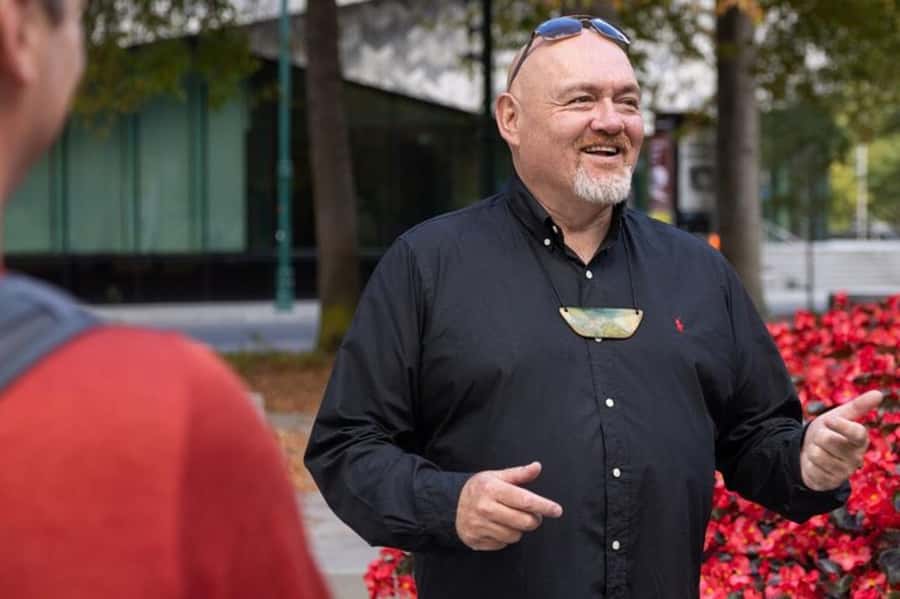
Guides have been praised for being warm, patient, and willing to answer questions. Ash, also referred to as Ashley, has been described as friendly and enthusiastic about Māori heritage and Christchurch. Riwa or Riwai has been singled out for a strong understanding of both Māori and European heritage, while Spud has been praised for making the experience fun. The guide you meet will influence the exact rhythm and emphasis, but the common thread is personal storytelling.
Somewhere else in Christchurch entirely:
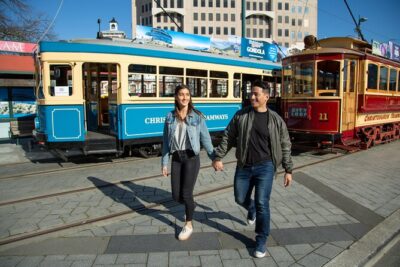
- Christchurch Hop-On Hop-Off Tram
★ 4.5 · 841 reviews - Christchurch Gondola and Tram City Tour Combo
★ 4.5 · 725 reviews - Christchurch: Hop-On Hop-Off Tour by Vintage Tram
★ 4.6 · 717 reviews - Christchurch: Tram, Punt and Gondola Ride Combo Ticket
★ 4.7 · 608 reviews
Laneways, local producers, and morning tea
After the history and cultural introduction, the walk moves through Christchurch’s laneways and includes morning tea plus tastings from local artisan producers. The exact businesses and tasting menu are not specified, so do not book expecting a named restaurant or a particular dish.
You can expect several small food stops rather than a full restaurant meal. One guest described the tastings as indulgent, while another was especially grateful for coffee at the start of the morning. Another praised a regional lunch connected with a related tour, but this experience is specifically listed as including morning tea and food tastings, not lunch.
That distinction matters. At $95 per person, the value depends on how much you want from the combination of guide, cultural explanation, walking tour, and food. If you only want a quick orientation to central Christchurch, the price may feel high compared with walking around on your own. If you want a personal introduction to Māori stories, local history, and artisan food in one compact outing, the cost is easier to justify.
The tastings also break up the walking. You are not standing in one place for two hours listening to a long speech. The food stops give you a reason to move through the laneways and make the city centre feel more immediate.
Morning tea is included, along with food tastings from local artisan producers. Water is not included as a stated item, so bring your own bottle. Wear comfortable shoes, and carry sunscreen and a hat, since the activity takes place outdoors and the provided advice specifically calls for sun protection.
Christchurch history, including the earthquake
The tour covers Christchurch’s history and the impact of the earthquake, according to the experience feedback. The supplied details do not identify which earthquake sites or memorials are included, so you should not assume the walk visits every major post-earthquake landmark.
Still, this subject gives the tour a modern edge. Christchurch is a city where rebuilding, memory, and change are part of daily life. A guide who connects the earthquake with the city’s people and culture can give you more than a list of damaged and reconstructed buildings.
That personal element was one of the strongest points in the feedback. Ash was praised for explaining the city’s history, earthquake impact, culture, and people in a personable way. The tour’s cultural focus helps prevent the earthquake from becoming the only story Christchurch has to tell. You get a wider picture, with Māori heritage, settler history, local food, and recent change in the same walk.
If earthquake history is your main reason for touring Christchurch, check the route and emphasis before booking. This experience includes that subject, but it is not advertised as a dedicated earthquake tour.
Why the two-hour length works
Two hours is enough time to make the tour a morning activity rather than a full-day commitment. You can fit it into a day of central Christchurch sightseeing, use it as an early orientation, or schedule it before another attraction.
The short format also keeps the pace manageable. One guest specifically praised the pace, while others described the walk as educational but easy to follow. A two-hour tour cannot cover every period of Christchurch history, every Māori site, and every major building. Its strength is selection: the guide chooses stories that can be connected on foot.
Small groups appear to be an important part of the experience. The feedback describes the benefit of a guide taking time to answer questions, which is harder to do with a large crowd. Group size is not stated, so I would not assume a guaranteed maximum. If personal discussion matters to you, ask Āmiki Tours about the group size when booking.
The activity is listed as wheelchair accessible. Because the route uses city streets and laneways, you may still want to confirm any particular mobility needs with the provider before arrival. The meeting point is fixed, and the tour does not include transportation.
Who will get the most from this walk
I would choose this tour if you want Christchurch explained through people, place, and food, rather than through buildings alone. It suits first-time visitors who want a compact introduction before exploring on their own.
It also fits visitors interested in Māori culture who prefer a local guide and a walking format. You do not need specialist background knowledge. The guide explains the Māori terms, stories, and principles as the tour develops.
Families and mixed-age groups may find the food stops and short duration helpful. One review described the tour as suitable for any age, and the calm pace should appeal to anyone who does not want a strenuous outing. Comfortable shoes remain important, but this is not presented as a demanding hike.
Food-focused visitors will appreciate the artisan tastings, though you should think of them as part of the tour rather than a substitute for lunch. Anyone with dietary restrictions should ask the provider about the tasting foods before booking, since the available information does not list ingredients or alternatives.
You may want a different activity if you prefer a strict architectural tour, a detailed earthquake route, or a long museum-style explanation. This walk offers a broad, human account of Ōtautahi in a short period.
Practical value at $95 per person
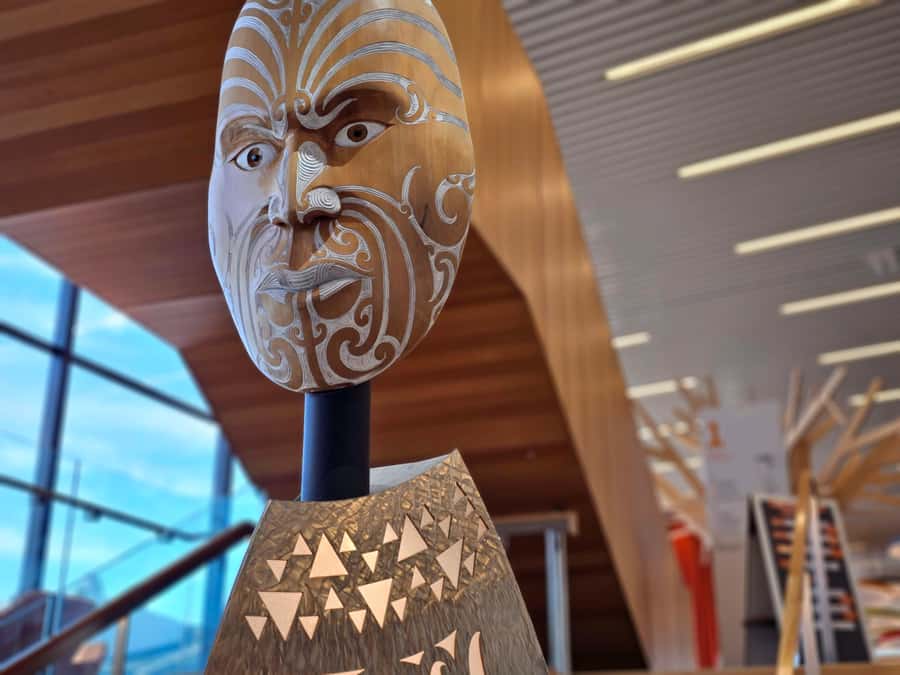
The $95 price covers a two-hour guided walking tour, morning tea, and food tastings. There is no hotel pickup or drop-off, so the price is paying for the guide’s time, cultural interpretation, local knowledge, and tasting stops rather than transportation.
The value is strongest when you make use of the conversation. Ask about the meaning of Ōtautahi, the mahinga kai and pā sites, the earthquake, and the relationship between Māori and settler stories. The more you engage, the more the personal guide format can offer beyond a self-guided walk.
The food also helps justify the price, but the exact number and size of tastings are not stated. I would not book this expecting a large meal. Think of morning tea and several local samples, with the added benefit of learning where food fits into the story of the city.
You can cancel up to 24 hours before the tour for a full refund, and the reserve-now, pay-later option allows you to keep your plans flexible. Starting times vary, so check availability for your date. The live tour is conducted in English.
Is the Ōtautahi Meander worth booking?
Book it if you want a friendly, personal introduction to Christchurch that gives Māori history equal importance, connects the past with the present, and adds local food along the way. The strongest reasons are the guides’ individual storytelling, the focus on mahinga kai and pā sites, and the chance to ask questions in a small-group setting.
Skip it if you need a detailed, specialist tour of earthquake architecture or a substantial meal. Two hours will give you a thoughtful first layer, not the entire story of Ōtautahi.
For most visitors spending time in central Christchurch, I think the combination works well. Meet at the Bridge of Remembrance, wear comfortable shoes, bring water and sun protection, and arrive ready to listen. You will leave with more useful context for the streets you continue exploring afterward.
FAQ
Where does the Ōtautahi Meander Walking Tour begin?
Meet in front of the Bridge of Remembrance, on the shopping precinct side.
How long does the tour last?
The walking tour lasts two hours.
What is included in the price?
The $95 per-person price includes the two-hour walking tour, morning tea, and food tastings from local artisan producers.
Is hotel pickup included?
No. Hotel pickup and drop-off are not included.
What language is the tour conducted in?
The live guided tour is conducted in English.
Is the tour wheelchair accessible?
Yes. The activity is listed as wheelchair accessible.
What should I bring?
Bring comfortable shoes, a sun hat, a camera, sunscreen, and water.
Can I cancel for a refund?
Yes. You can cancel up to 24 hours in advance for a full refund. You can also reserve now and pay later.
Newly listed around Christchurch
- Christchurch: Full or Half-Day Rock Climbing Tour with Guide★ 5.0 · 5 reviews
- (MT) Mount Cook Day Tour From Christchurch★ 4.5 · 5 reviews
- Private Christchurch & Lyttelton Scenic Day Tour★ 5.0 · 5 reviews
- Private Akaroa Day Tour From Christchurch★ 5.0 · 5 reviews
- Mount Cook Day Tour from Christchurch★ 3.7 · 5 reviews
- Inland Canterbury & Castle Hill Tour (Lyttelton Shore Excursion)★ 5.0 · 5 reviews
- Christchurch Domestic Airport to City Hotels – Max 4 Pax & 2 Bags★ 3.0 · 6 reviews
- Christchurch Private Tour (Premium) Full day★ 5.0 · 6 reviews
Christchurch Tours, compared.

International Antarctic Centre General Admission Ticket
Read our review →
Mount Cook & Lake Tekapo Day Tour from Christchurch
Read our review →
Waipara Wine Tour from Christchurch – including Lunch & Tastings
Read our review →
TranzAlpine Train, Arthur’s Pass and Castle Hill Day Trip
Read our review →Browse the lists this tour appears in