
Reviewed · CHRISTCHURCH TOURS
Christchurch: Orana Wildlife Park Admission
Orana Wildlife Park gives you something unusual right away: the chance to hand-feed a giraffe, then continue through a large open-range zoo where animals have room to move. You can also meet rhinos up close, see New Zealand’s only gorillas, and look for kiwi and native birds in walk-through aviaries.
I especially like the free Safari Shuttle, which makes the 180-hectare park manageable, and the regular wildlife presentations, which give your day a useful rhythm. The $23 admission price also covers a surprising number of encounters, including giraffe feeding, farmyard activities, and guided animal talks.
The main consideration is time. You can rush through in two hours, but four hours is a better target, especially if you want to follow the presentation schedule and walk between exhibits. Comfortable shoes and sun protection are practical musts.
Key points to know before you go
- Giraffe feeding is the headline encounter: Get close enough to hand-feed these tall, gentle animals.
- New Zealand’s only gorillas live here: Their enclosure gives you a rare chance to see these great apes in the country.
- Use the free Safari Shuttle: It makes eight quick stops around the park, so you can ride the full loop or hop off near a presentation.
- Arrive before the first 10:45 AM presentation: The daily talks help you cover the park without missing the best encounters.
- Native wildlife gets real attention: Look for kiwi, kakariki, whio, kea, and native reptiles, not just imported zoo animals.
- Plan for a four-hour visit: The park is flat and easy to walk, but the grounds are spread across 180 hectares.
Why Orana works better than a quick zoo visit
Orana is not a compact city zoo where you can see everything in an hour. It covers a broad area on the outskirts of Christchurch, with open spaces, animal habitats, walking paths, and scheduled stops spread across the grounds.
That layout changes how you should approach the day. Instead of simply moving from one cage to the next, you can build your visit around feeding times and wildlife presentations. The guide-led talks explain what you are seeing and help you understand animal behavior, rather than leaving you to read a few signs and keep moving.
The park holds more than 1,000 animals from over 90 species. That range gives you plenty to see, but it also means you should not try to treat every exhibit as an equal priority. I would plan around the giraffes, gorillas, kiwi, and the presentations first, then use the remaining time for rhinos, big cats, monkeys, meerkats, reptiles, and the farmyard.
The open-range design also gives some animals more room than you may expect at a traditional zoo. You can see lions, tigers, zebras, cheetahs, and other large animals in spacious habitats. The tradeoff is that animals do not always appear on demand. If a particular animal is resting or out of sight, you may need patience or a second pass later in the day.
More Wildlife Tours in Christchurch:
- Willowbank Wildlife Reserve Day Entry
★ 4.5 · 94 reviews - Akaroa: Scenic Coastline Wildlife Cruise
★ 5.0 · 32 reviews - Clearwater Wildlife Tours (small group 10max) Otago Peninsula
★ 5.0 · 531 reviews
Start with the 10:45 AM presentation schedule
Orana opens at 10 AM, and the first regular animal presentation begins at 10:45 AM. Arriving early gives you time to enter, check the schedule, and work out where the first talk will take place.
I would not stroll in late and hope to catch things by chance. The park recommends following the daily presentation schedule because it guides you around the entire site. Talks and encounters take place at roughly half-hour intervals, giving you a practical framework for the day.
The exact order matters less than the habit of checking what comes next. You might watch a wildlife guide explain an animal’s habits, then walk or take the shuttle to the next stop. That keeps the day moving and reduces the chance of missing a feeding session.
The talks are also a good reason to slow down. Staff explain the animals and answer questions, and the presentations give children something to focus on beyond simply spotting an animal. If you are visiting with family, this structure can turn a long walk into a series of short, manageable activities.
Keep in mind that a presentation schedule may involve walking between stops. The park is flat, which helps, but the grounds are large. Bring water, wear comfortable shoes, and allow extra time if you are moving at a child’s pace.
Hand-feeding giraffes up close
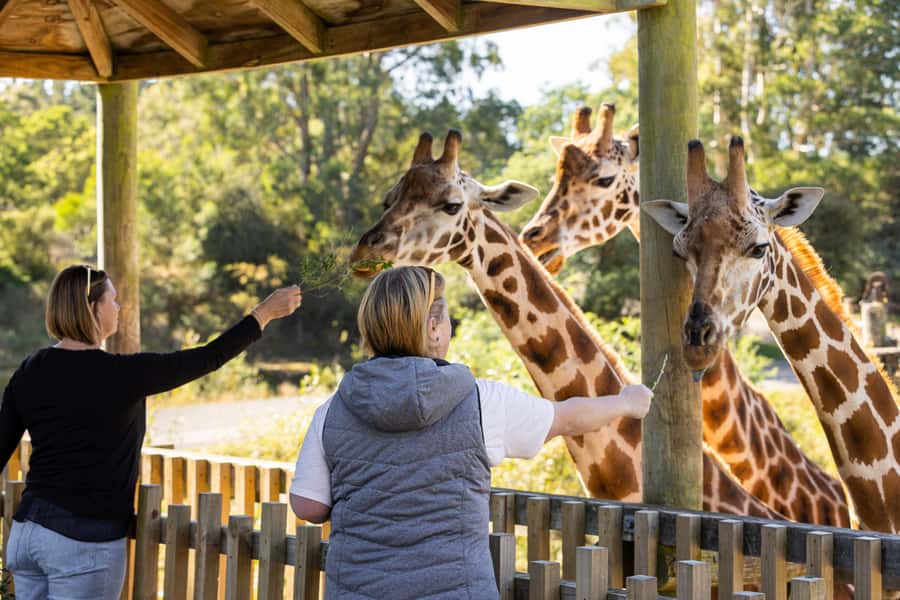
The giraffe feeding is the experience most likely to shape your day. You do not just look across a barrier at these animals. You get close enough to offer food, creating the kind of direct encounter that photographs cannot quite capture.
Giraffes are an especially good match for this type of activity because they are visually striking and calm enough to observe at close range. You can appreciate their height, long necks, patterned coats, and curious expressions in a way that is difficult from a distant viewing platform.
The feeding is included with admission, which improves the value of the $23 ticket. Some wildlife parks charge extra for every special encounter. Here, the basic admission gives you access to the park and a number of scheduled activities, so you do not have to keep adding paid upgrades to make the visit worthwhile.
Take your camera, but keep it ready before you reach the feeding area. The encounter may be brief, and you will want to give some attention to the animal rather than spending the whole moment looking at your screen.
Rhinos, big cats, and spacious animal habitats
Rhino viewing is another strong part of the visit. The close setting lets you appreciate how large and powerful these animals are, while the open layout gives them room to move.
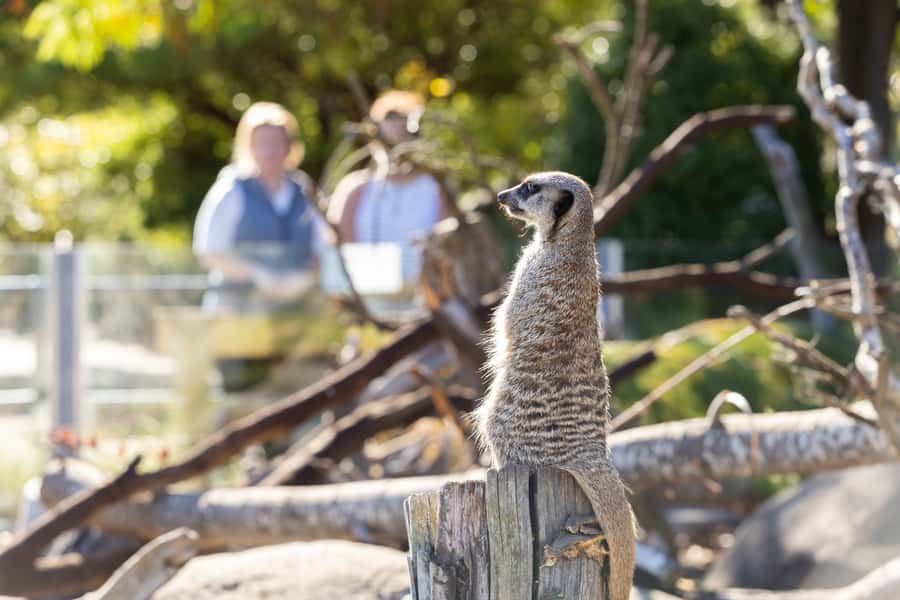
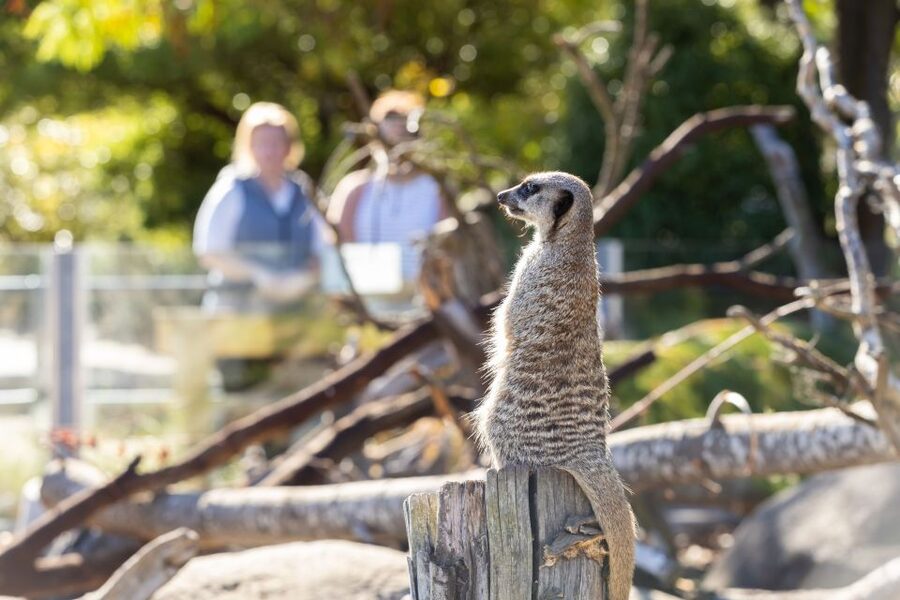
You can also see lions, tigers, zebras, cheetahs, monkeys, meerkats, and Tasmanian devils. The variety is useful if your group has different interests. One person can spend time watching a big cat, while another may prefer smaller social animals such as meerkats or monkeys.
Animal activity is never guaranteed. A past afternoon visit found the lions especially active after feeding, with roaring and commotion adding energy to the stop. That is a useful reminder that timing can affect what you see, though the park cannot promise a particular animal will perform or even be visible at every moment.
Some animals may be off display if they are unwell or need care. That can be disappointing if you have come hoping to see a particular species, but it is also part of a responsible animal facility. I would judge the day by the overall range of encounters rather than by one missed exhibit.
A few more Christchurch days to compare
- Christchurch Hop-On Hop-Off Tram
★ 4.5 · 841 reviews - Christchurch Gondola and Tram City Tour Combo
★ 4.5 · 725 reviews - Christchurch: Hop-On Hop-Off Tour by Vintage Tram
★ 4.6 · 717 reviews - Christchurch: Tram, Punt and Gondola Ride Combo Ticket
★ 4.7 · 608 reviews
Kiwi, kea, and native New Zealand wildlife
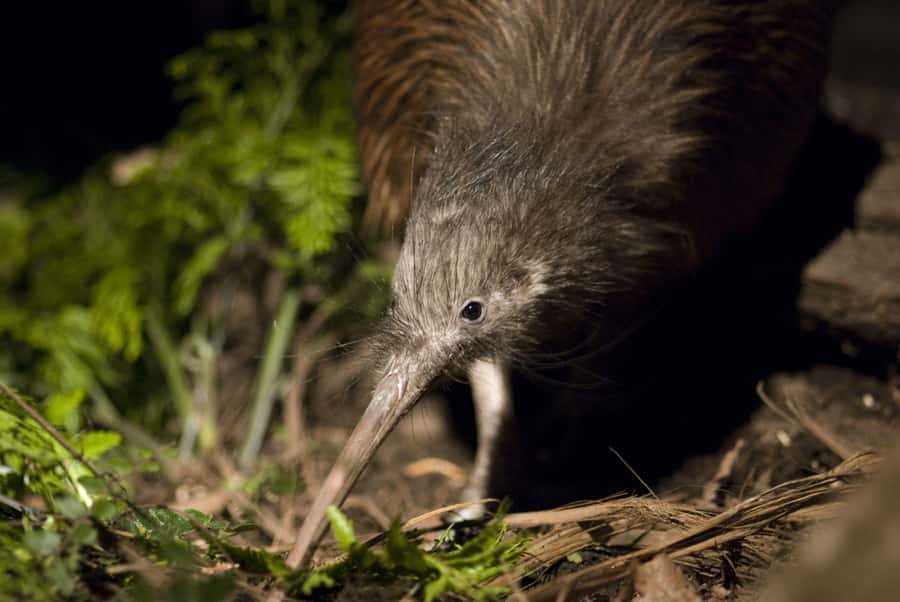
Orana earns extra value by giving native New Zealand wildlife a proper place in the visit. In the aviaries, you can look for kiwi, kakariki, whio, and kea.
The walk-through aviaries are worth taking slowly. Native birds can be less obvious than giraffes or gorillas, and you may need to pause and look carefully. The setting encourages a different kind of attention, especially after the more dramatic large-animal encounters.
Kea are famous for their inquisive, mischievous nature, while whio and kakariki give you a chance to see species that many international visitors may not encounter elsewhere in New Zealand. Native reptiles add another layer to the park’s conservation and education role.
The kiwi viewing area may be darker and quieter than the outdoor exhibits. That helps create suitable conditions for a nocturnal bird, but it can be less instantly rewarding than a bright aviary. Give your eyes time to adjust and resist the urge to hurry through.
For first-time visitors to New Zealand, this section adds local character to what could otherwise feel like a general international zoo. The giraffes and gorillas may draw you in, but the kiwi and native birds connect the visit to the country you are actually exploring.
Meeting New Zealand’s only gorillas
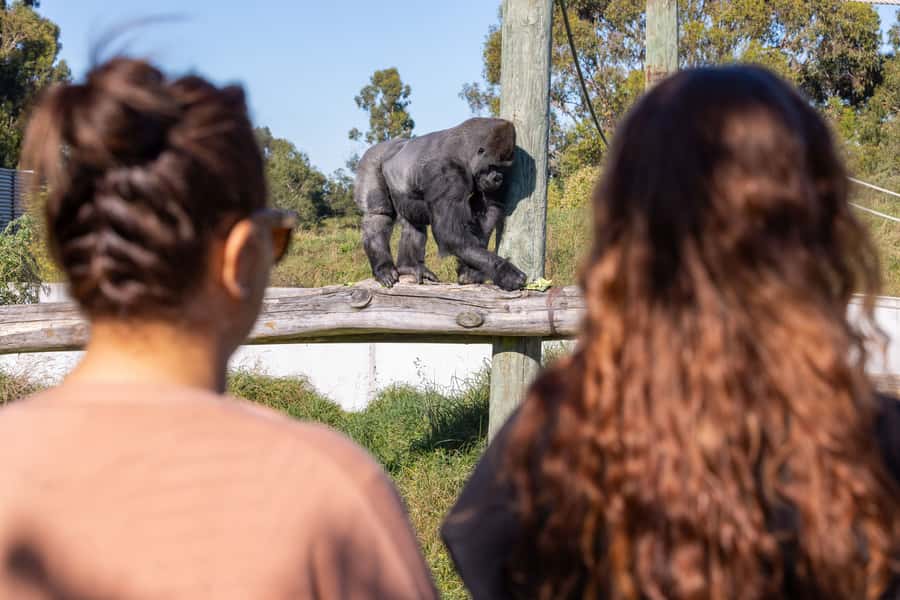
Orana is home to New Zealand’s only gorillas, making this one of the park’s most distinctive exhibits. Gorillas have a quiet power that can hold your attention even when they are doing very little.
Watch their movement, posture, and interaction with one another. You may find that the best moments are not dramatic. A gorilla sitting, eating, or observing the people nearby can be just as memorable as a louder display.
This is a good place to allow extra time rather than taking one quick look and leaving. The enclosure is one of the park’s rarest sights, and children often respond strongly to the combination of size, intelligence, and familiar human-like behavior.
The visit is still a zoo experience, not a guarantee of constant activity. If the gorillas are resting, you may need to return later. The Safari Shuttle and broad path system make a return visit easier than it would be in a small, tightly packed facility.
Riding the free Safari Shuttle
The complimentary Safari Shuttle is one of Orana’s most practical features. It makes eight quick stops around the park, allowing you to stay aboard for the full loop or get off near the exhibit or presentation you want.
I would use the shuttle early in the day to understand the layout. A complete ride can help you see how the main areas connect before you commit to walking. After that, you can choose the stops that deserve more time.
The shuttle is also useful for families, anyone who tires easily, and visitors who want to save energy for the animal talks. You can combine riding with walking instead of treating the entire 180 hectares as a single long hike.
Do not assume the shuttle removes all walking. You will still need to move between stops and exhibits, and the park recommends comfortable footwear. The shuttle is a helpful tool, not a replacement for exploring on foot.
A guided walkabout tour may also be available, alongside the shuttle and self-guided option. If the schedule suits you, a guided walk can add context. If you prefer flexibility, follow the presentations on your own and use the shuttle when the next stop is far away.
Farmyard fun and family facilities
The Farmyard area gives younger children a break from the more serious wildlife exhibits. Friendly domestic animals offer an approachable introduction to animal care and handling.
Farmyard activities can also help balance the day for children who may find a gorilla, tiger, or rhino impressive but slightly intimidating. The mix of domestic animals and wild species gives families a natural change of pace.
The park includes a children’s adventure playground, two large picnic areas, a café, and a wildlife-themed gift shop. These facilities matter because four hours is a long stretch for some families, particularly if you are trying to follow the full presentation schedule.
The café is useful if you want to stay in the park rather than leave for lunch. A past visit found the food good and the service helpful, but I would still treat the café as a convenience rather than the main reason to come.
The picnic areas give you another option. Bringing your own food can help control costs, though the supplied information does not specify picnic rules or available facilities, so check current park details if that is important to your plan.
How long to stay and what to bring
The minimum suggested visit is two hours, but the average visit lasts about four hours. I agree with the longer estimate if you want to see several talks, take the shuttle, stop for food, and revisit an animal area.
A two-hour visit can work if you are short on time and choose a few priorities. Focus on the first available presentations, giraffe feeding, gorillas, kiwi, and the shuttle loop. You will see the main attractions, but you may not have time to linger.
For a relaxed visit, arrive close to opening at 10 AM. This gives you room to catch the 10:45 AM presentation and build from there. The park closes at 5 PM, with last admission at 4 PM, so a late arrival can leave you chasing the clock.
Bring:
- Comfortable walking shoes
- A camera
- Sunscreen
- Water for the long outdoor sections
Sun protection is worth taking seriously. Even a flat, easy walk can become tiring if you are outside for several hours. Weather can also affect animal activity and your comfort, so keep your plans flexible.
Orana closes on December 25. It is also wise to confirm the current opening details before setting out, especially if your Christchurch schedule is tight.
Is $23 good value?
At $23 per person, Orana offers strong value for a full day, particularly because the ticket includes the animal presentations, the free Safari Shuttle, and encounters such as giraffe feeding.
The value improves if you stay for three or four hours. A short visit still gives you access to the park, but you are less likely to make full use of the scheduled talks, shuttle, farmyard, aviaries, and picnic or café facilities.
Think of the admission as a flexible day ticket rather than a timed exhibit entry. You can choose the level of activity that suits you, from a guided schedule to a quiet walk with occasional shuttle rides.
Families should also consider how much the playground, farmyard, and range of animal types add to the day. Adults who mainly want native birds may find the ticket less compelling than someone who wants giraffes, gorillas, rhinos, big cats, and New Zealand species in one visit.
Getting there from Christchurch
Orana Wildlife Park is at 793 McLeans Island Road, McLeans Island, Christchurch 8051. The park is about a 15-minute drive from Christchurch Airport, making it a practical choice near the start or end of a South Island trip.
That airport location is especially useful if you have a spare half-day around a flight. Allow enough time for the visit itself, the drive, and your airport schedule. A four-hour park visit can easily become most of a day once transport is added.
The supplied information does not include public transport directions or a hotel pickup service. Plan to reach the park independently unless you have confirmed another transport option before booking.
Admission is wheelchair accessible. The flat layout should also make the visit easier for anyone who prefers level paths, though the large site still means that distances between areas can add up.
Who should book Orana Wildlife Park?
I would recommend Orana to families, animal lovers, first-time visitors to Christchurch, and anyone who wants more than a quick city attraction. The combination of close animal encounters, native wildlife, and scheduled talks gives the day enough variety to hold your interest.
It is especially good for children who learn best by seeing and doing. Feeding giraffes, watching a wildlife guide, visiting the farmyard, and riding the shuttle create clear highlights without requiring a long attention span at one exhibit.
Photography fans will also find plenty to enjoy, though you should expect changing light, moving animals, and occasional animals out of view. Bring a camera, but do not plan the whole visit around getting a perfect shot.
You may want to skip it if you have only a very short stop in Christchurch, dislike walking outdoors, or want a tightly timed attraction with guaranteed animal sightings. The park is large and activity varies. Its strength is the range of experiences across a full day, not speed or certainty.
Final verdict: book if you can spare four hours
Book Orana Wildlife Park if you want close animal encounters and can give the visit a proper half-day or full-day slot. The giraffe feeding, New Zealand’s only gorillas, kiwi viewing, native birds, rhinos, and free shuttle make the $23 admission easy to justify.
Arrive at 10 AM, start with the 10:45 AM presentation, and let the schedule guide your route. Use the shuttle to save energy, return to exhibits when animals are quiet, and leave time for lunch or a picnic.
If your schedule allows only two hours, choose your priorities in advance. If you can stay four hours, Orana becomes a much more satisfying visit, with enough time to see both the headline animals and the less obvious native species.
FAQ
How much does admission to Orana Wildlife Park cost?
Admission is listed at $23 per person. The ticket includes entry to the park and access to the scheduled wildlife presentations and included animal encounters.
How long should I allow for Orana Wildlife Park?
The minimum recommended visit is two hours, while the average visit lasts about four hours. Allow more time if you want to follow the presentation schedule, use the shuttle, eat at the café, or explore at a relaxed pace.
What time does Orana Wildlife Park open?
The park is open from 10 AM to 5 PM. Last admission is at 4 PM, and arriving in the morning is recommended.
When does the first animal presentation begin?
Regular animal presentations start at 10:45 AM. Following the daily schedule helps lead you around the entire park.
Is giraffe feeding included in admission?
Yes. Hand-feeding the giraffes is one of the included wildlife experiences available during your visit.
Can I ride around Orana Wildlife Park?
Yes. A complimentary Safari Shuttle operates around the park, with eight quick stops. You can ride the full loop or get off at stops near exhibits and presentations.
Is Orana Wildlife Park wheelchair accessible?
Yes. The activity information lists the park as wheelchair accessible. The grounds are also described as having a flat walking layout.
Is Orana Wildlife Park open on December 25?
No. Orana Wildlife Park is closed on December 25.
Newly listed around Christchurch
- Christchurch: Full or Half-Day Rock Climbing Tour with Guide★ 5.0 · 5 reviews
- (MT) Mount Cook Day Tour From Christchurch★ 4.5 · 5 reviews
- Private Christchurch & Lyttelton Scenic Day Tour★ 5.0 · 5 reviews
- Mount Cook Day Tour from Christchurch★ 3.7 · 5 reviews
- Private Akaroa Day Tour From Christchurch★ 5.0 · 5 reviews
- Inland Canterbury & Castle Hill Tour (Lyttelton Shore Excursion)★ 5.0 · 5 reviews
- Christchurch Domestic Airport to City Hotels – Max 4 Pax & 2 Bags★ 3.0 · 6 reviews
- Christchurch Private Tour (Premium) Full day★ 5.0 · 6 reviews
Christchurch Tours, compared.




International Antarctic Centre General Admission Ticket
Read our review →
Mount Cook & Lake Tekapo Day Tour from Christchurch
Read our review →
Waipara Wine Tour from Christchurch – including Lunch & Tastings
Read our review →
TranzAlpine Train, Arthur’s Pass and Castle Hill Day Trip
Read our review →Browse the lists this tour appears in