
Reviewed · CHRISTCHURCH TOURS
Willowbank Wildlife Reserve Day Entry
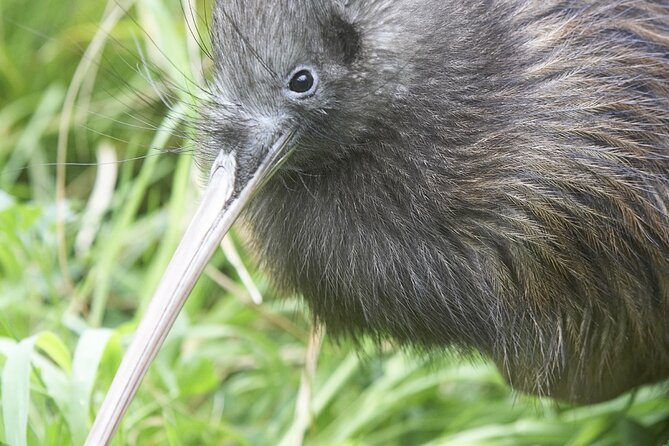
The main draw here is simple: you are guaranteed to see a kiwi. Willowbank’s kiwi house uses a dark, nighttime-style setting, so you need to walk slowly, keep quiet, and let your eyes adjust. It is one of the easier places near Christchurch to see New Zealand’s famously shy national bird.
I like the freedom to arrive at any time and set my own pace. I also like the mix of native wildlife, introduced animals, and hands-on farm encounters, which gives children plenty to do while adults get a useful introduction to New Zealand species. The main consideration is the kiwi viewing: guaranteed does not mean an instant, brightly lit sighting. The enclosure is dark, and you may need patience to spot a moving bird.
Key points at a glance
- Guaranteed kiwi viewing: The nocturnal kiwi house gives you a reliable chance to see one of New Zealand’s most difficult animals to find in the wild.
- A flexible one to three-hour visit: You can fit Willowbank into a morning, afternoon, cruise day, or airport stop without following a fixed tour schedule.
- Hands-on animal encounters: Feed and pat selected farm animals, and expect some free-roaming birds and animals to approach you.
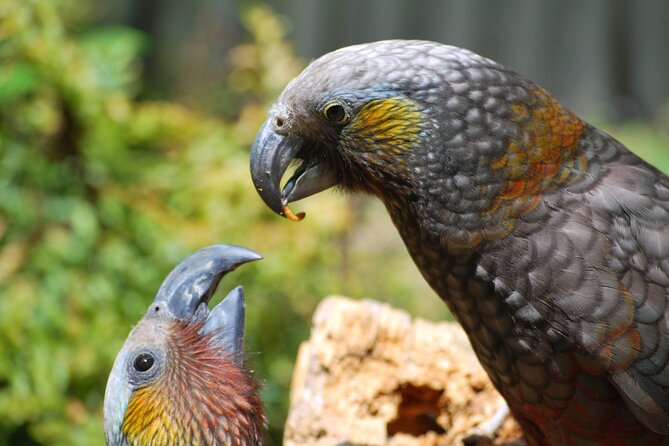
- Native species in one place: Look for kea, kaka, takahe, tuatara, and kiwi alongside other New Zealand wildlife.
- Good family variety: Monkeys, lemurs, capybara, wallabies, sheep, rabbits, alpaca, otters, and ducks keep the visit varied.
- Close to Christchurch Airport: Its location makes this a practical stop at the start or end of a Christchurch visit, though transport is not included.
Why Willowbank works for a Christchurch day
Willowbank Wildlife Reserve is not a wilderness trek or a guided safari. It is a walk-through wildlife park where you follow paths at your own speed, pause at animal habitats, and choose how much time to spend at each stop.
That makes it useful for a busy Christchurch schedule. You can arrive at any time during the day with your mobile ticket, then leave after a focused one-hour visit or stay for several hours. Most people should allow about two hours. Families who stop for food, spend time at the play and exploration areas, or linger over the animals may want closer to three.
The reserve is close to Christchurch Airport, which adds real value for people with a rental car or a spare block of time before a flight. It is also near public transportation. Transportation to and from the reserve is not part of the admission, so check your route before setting out. A shuttle from Cathedral Square has been useful for some visitors, but you should confirm current availability rather than rely on it without checking.
At $22.65 per person, the admission is fairly modest for a full wildlife visit, especially when kiwi viewing is included. You are not paying separately for a special kiwi encounter. The value is strongest for families and first-time visitors who want many kinds of animals in one stop. If your only goal is a long, close look at kiwi, the dark enclosure may make the experience feel brief.
More Wildlife Tours in Christchurch:
- Christchurch: Orana Wildlife Park Admission
★ 4.5 · 119 reviews - Akaroa: Scenic Coastline Wildlife Cruise
★ 5.0 · 32 reviews - Clearwater Wildlife Tours (small group 10max) Otago Peninsula
★ 5.0 · 531 reviews
Following the leafy paths and waterways
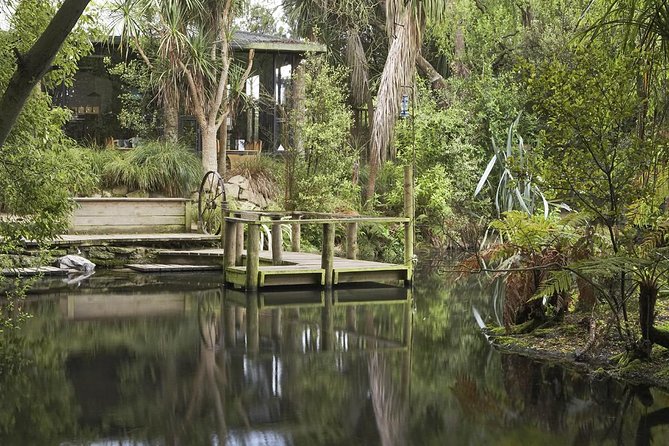
The visit begins as a self-guided walk through a green reserve with planted areas, walkable paths, and sections that feel more natural than a standard city zoo. Wooden walkways cross water in places, and the layout gives the outing a relaxed rhythm.
The paths are generally easy to follow, though some gravel sections could use clearer signs. This matters if you are moving quickly, using a wheelchair or stroller, or trying to fit the visit into a tight departure time. The reserve is not presented as a formal guided route, so you may need to pause at signs and check the direction of the trail.
The setting is part of the appeal. You are not simply moving from one sealed indoor room to another. The path passes through greenery, water, animal habitats, and open areas. That gives the visit a calm quality, with enough changes in scenery to hold a child’s attention.
Allow yourself time at the start to get oriented. The reserve is bigger than it first appears, and rushing straight toward the kiwi house means missing much of the variety that makes Willowbank worthwhile.
Native New Zealand wildlife in one stop
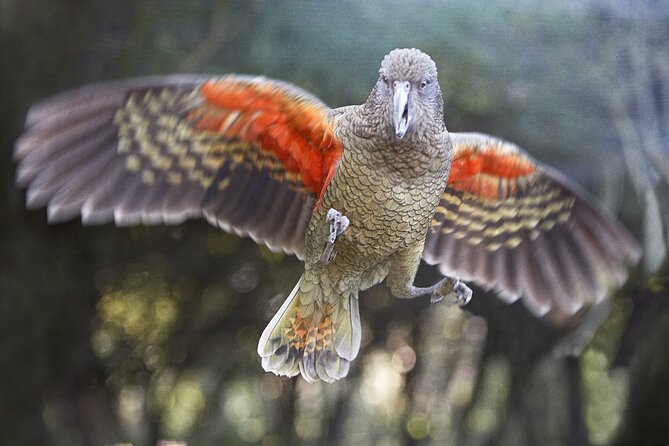
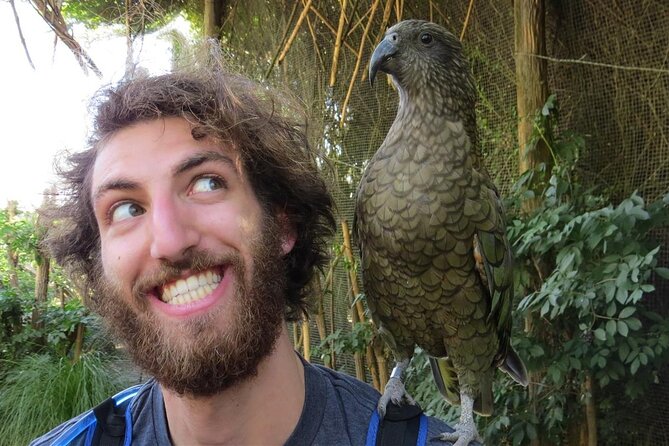
Willowbank gives you a chance to see several species that are closely tied to New Zealand. The list includes kea, kaka, takahe, tuatara, and kiwi.
Kea and kaka are especially useful introductions to New Zealand birdlife. Takahe are another important native species to look for, while tuatara offer a glimpse of an animal found nowhere else in the world. The park brings these species together in a setting that is much easier to visit than several remote wildlife sites.
The kiwi house is the emotional center of the visit for many people. Kiwi are nocturnal, so the enclosure is kept dark during visiting hours. Do not expect a brightly lit display where the bird is always obvious. Instead, stand quietly, scan the edges of the habitat, and listen for helpful directions from staff or other people who have already spotted the bird.
A useful tip is to wait rather than give up after a quick glance. Some people see a kiwi moving through the enclosure, while others spot one resting in the shadows. The guaranteed viewing means a kiwi is present for you to see, not that it will pose in an open area on demand.
The dark room can be difficult if your eyes take time to adjust. Keep your phone light off unless staff allow it, since bright light can disturb the viewing experience and make it harder for everyone else. Patience is the right approach here.
Farm animals and the hands-on side
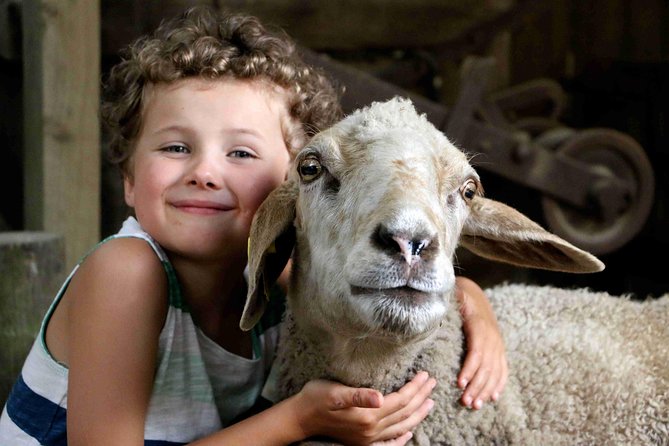
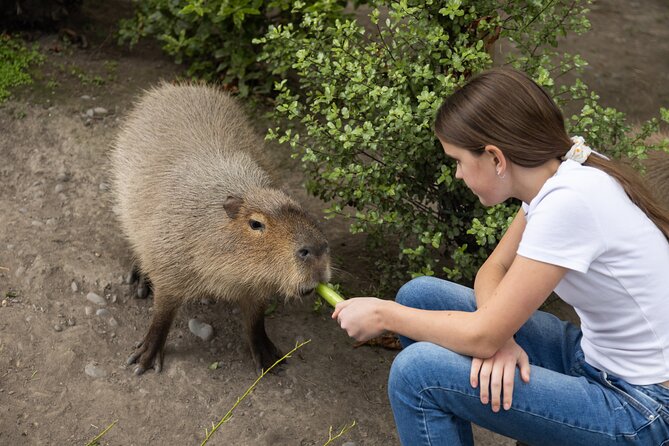
Willowbank is particularly good at mixing observation with gentle interaction. You can pat farm animals such as sheep, rabbits, and alpaca, and you may be able to feed selected animals with food purchased or provided at the reserve.
This is where the park becomes more than a native wildlife stop. A child who is not yet excited by a tuatara may be delighted by a rabbit or alpaca. Adults can enjoy the native species while younger visitors get a direct, simple animal encounter.
Be prepared for animals to recognize feeding bags. Deer and ducks may follow you once they suspect food is nearby. That can be funny, but it also means you should follow the feeding instructions and keep a little space around animals that become eager.
Some birds are not kept behind obvious barriers, and the reserve can become noisy, especially around ducks and other feathered residents. That is part of the hands-on character, though it may not suit anyone hoping for a silent nature walk.
The feeding aspect also gives you a reason to slow down. Instead of ticking off each enclosure, you can watch how the animals react and let children learn through direct contact. Keep in mind that food and drinks are not included in the ticket, so check the reserve’s arrangements before planning to feed every animal you see.
A few more Christchurch days to compare
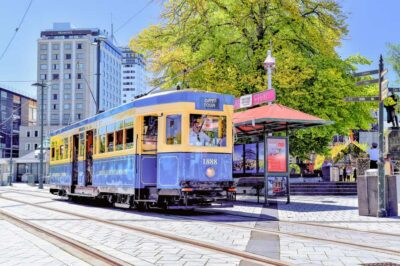
- Christchurch Hop-On Hop-Off Tram
★ 4.5 · 841 reviews - Christchurch Gondola and Tram City Tour Combo
★ 4.5 · 725 reviews - Christchurch: Hop-On Hop-Off Tour by Vintage Tram
★ 4.6 · 717 reviews - Christchurch: Tram, Punt and Gondola Ride Combo Ticket
★ 4.7 · 608 reviews
Capybara, lemurs, wallabies, and other favorites
The introduced animals provide a change of pace after the native species. You may see monkeys, lemurs, capybara, and wallabies, along with otters and other animals around the reserve.
Capybara are a popular stop because they are large, calm, and unusual for many visitors. They can be a highlight for adults as well as children. Otters also tend to hold attention, especially when they are active.
Wallabies fit the New Zealand setting in a familiar but still distinctive way. Some parts of the wallaby habitat may feel more limited than the open reserve paths, so keep your expectations realistic. This is a managed wildlife park, not a completely free-range animal sanctuary.
The contrast between introduced and native animals is useful. New Zealand has a strong conservation story, but it also has a long history of introduced species affecting the country’s ecosystems. Seeing both groups in one place gives children and adults a broader picture than a native-species-only attraction.
You can also expect black swans and other birds around water areas. Ducks may come close looking for food, and the birdlife can add plenty of sound and movement to the walk.
A visit that suits families and mixed interests
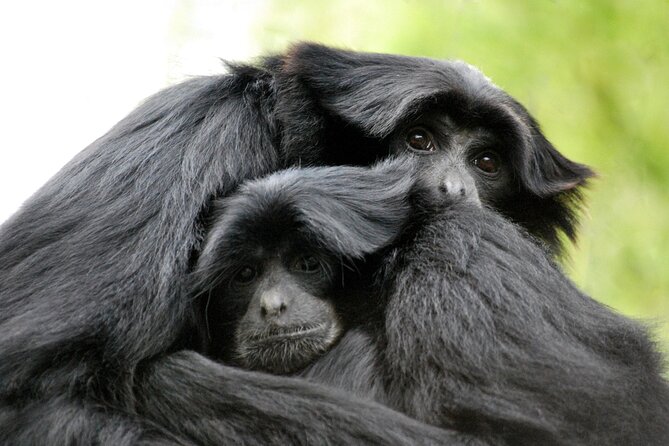
Willowbank is a strong choice for families because it does not rely on one kind of animal or one style of entertainment. Younger children can feed sheep, rabbits, alpaca, or other suitable animals. Older children can look for kiwi, takahe, tuatara, and native parrots. Adults get a pleasant walk and a compact introduction to New Zealand wildlife.
The reserve also works for mixed-age groups. One person can spend extra time at the kiwi house while another enjoys the farm animals or the larger mammals. Since there is no fixed guide-led schedule, you do not have to keep pace with a group.
There are places for children to climb, explore, and learn, adding useful variety between animal stops. A visit can feel educational without turning into a lecture. The park’s hands-on format makes it easier to keep children engaged for two hours or more.
I would be less likely to choose Willowbank for someone seeking a remote, fully natural wildlife encounter. The reserve has managed habitats, introduced animals, feeding opportunities, a cafe, and a retail store. Its strength is convenience and variety, not isolation.
How long to stay and when to go
The estimated visit length is one to three hours. Two hours is a sensible target if you want to follow the main path, see the kiwi house, and pause at several animal areas.
One hour can work if you are fitting Willowbank between other plans. You may need to move briskly, and you should prioritize the kiwi house and native species first. Three hours gives you time to move slowly, feed animals, visit the children’s areas, and stop at the cafe.
The reserve closes at 5pm, so an afternoon arrival deserves a little planning. Arriving around 2pm can still allow a roughly three-hour visit, but you should not assume unlimited time for a late start. Check the current opening hours before setting out, especially if Willowbank is part of a cruise-day or airport schedule.
The flexible admission is a major benefit. You do not need to arrive at one precise tour departure time, and mobile tickets make it easy to keep the booking on your phone. Paper tickets are also available as an option.
Food, breaks, and practical comfort
A cafe and retail store are available on site. Food and drinks are not included in the admission, so budget separately if you plan to eat there.
The cafe is useful for families because it gives you a break without leaving the reserve. It has been a practical place for a meal with children, and food choices include options suitable for younger visitors. Still, I would treat the cafe as a convenient part of the visit rather than the reason to book.
Wear shoes suitable for walkable paths and gravel sections. The reserve is designed for strolling, but clearer signs would make some parts easier to navigate. Give yourself extra time if you are managing small children or need to move at a slower pace.
Children must be accompanied by an adult. Most people can take part, and the activity has a maximum group capacity of 200, though the self-guided format means you are not tied to a large group moving from stop to stop.
Price, booking, and cancellation
At $22.65 per person, this is one of the more affordable ways to add a wildlife experience to a Christchurch itinerary. The ticket includes admission and guaranteed kiwi viewing, while food, drinks, and transportation are extra.
The price makes the most sense if you plan to spend at least two hours at the reserve. For a very short stop, the cost may feel less attractive, especially if you only have time to hurry through the paths and make a quick attempt at the kiwi house.
Booking ahead can save time on your travel day and guarantees your admission. The mobile ticket is convenient, particularly if Willowbank is one stop among several. Free cancellation is available if you cancel at least 24 hours before the experience start time. Changes or cancellations made inside that 24-hour window are not accepted for a refund.
Should you book Willowbank Wildlife Reserve?
I would book this experience if you want a flexible, family-friendly introduction to New Zealand wildlife near Christchurch. The guaranteed kiwi viewing is the clearest reason to go, and the mix of native species, farm animals, capybara, lemurs, wallabies, otters, and birds gives you plenty to see beyond the kiwi house.
Choose it for a relaxed half-day, a cruise stop, or a useful gap near the airport. Plan on about two hours, arrive before the 5pm closing time, and save enough time to let your eyes adjust in the dark kiwi enclosure.
I would skip it only if you want a completely wild setting, a guided conservation talk, or a brightly lit kiwi exhibit. For most families and first-time visitors to Christchurch, the reasonable price, flexible entry, and broad mix of animals make Willowbank a practical choice.
FAQ
How long does a visit to Willowbank Wildlife Reserve take?
The suggested visit lasts about one to three hours. Two hours should allow time to follow the paths, see the animals, and visit the kiwi house.
Is kiwi viewing guaranteed?
Yes. Admission includes guaranteed kiwi viewing. The kiwi house is dark because kiwi are nocturnal, so you may need to wait quietly and let your eyes adjust before spotting one.
What animals can I see at Willowbank?
You can see kea, kaka, takahe, tuatara, kiwi, monkeys, lemurs, capybara, wallabies, otters, sheep, rabbits, alpaca, ducks, and other birds and animals.
Can I feed or pat the animals?
The reserve is hands-on, and you can feed and pat many of the animals. Farm animals include sheep, rabbits, and alpaca. Feeding instructions should be followed at the reserve.
Is transportation included?
No. Transportation to and from the attraction is not included. The reserve is near public transportation and close to Christchurch Airport.
What happens if I need to cancel?
You can cancel for a full refund up to 24 hours before the experience start time. Cancellations or changes made less than 24 hours before the start time are not accepted for a refund.
Newly listed around Christchurch
- Christchurch: Full or Half-Day Rock Climbing Tour with Guide★ 5.0 · 5 reviews
- (MT) Mount Cook Day Tour From Christchurch★ 4.5 · 5 reviews
- Private Christchurch & Lyttelton Scenic Day Tour★ 5.0 · 5 reviews
- Mount Cook Day Tour from Christchurch★ 3.7 · 5 reviews
- Private Akaroa Day Tour From Christchurch★ 5.0 · 5 reviews
- Inland Canterbury & Castle Hill Tour (Lyttelton Shore Excursion)★ 5.0 · 5 reviews
- Christchurch Domestic Airport to City Hotels – Max 4 Pax & 2 Bags★ 3.0 · 6 reviews
- Christchurch Private Tour (Premium) Full day★ 5.0 · 6 reviews
Christchurch Tours, compared.



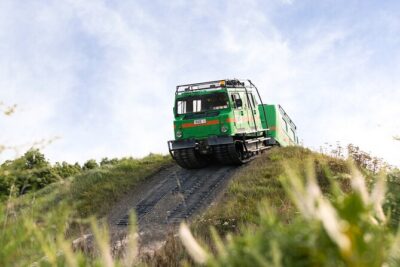
International Antarctic Centre General Admission Ticket
Read our review →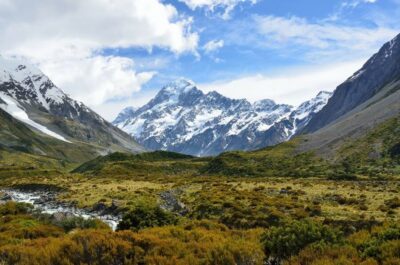
Mount Cook & Lake Tekapo Day Tour from Christchurch
Read our review →
Waipara Wine Tour from Christchurch – including Lunch & Tastings
Read our review →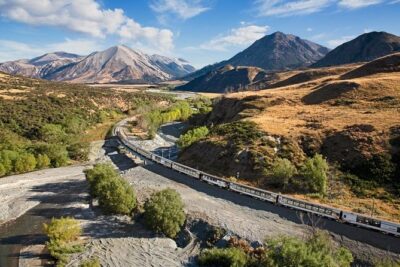
TranzAlpine Train, Arthur’s Pass and Castle Hill Day Trip
Read our review →Browse the lists this tour appears in