Reviewed · AUCKLAND TOURS
Guided Snorkel Experience, Advanced
Goat Island is not simply a place to float over fish. This advanced snorkel session teaches you how to move below the surface with better control, clear your snorkel, and equalize your ears safely. Guides such as Connor, Sara, Tiff, and Winnie keep close watch while pointing out snapper, rays, sea urchins, nudibranchs, and other marine life.
I like the careful gear fitting and the useful instruction before you enter the water. I also like the value: after the guided session, you can keep the equipment for the rest of the day and practise on your own. The main drawback is that sea conditions can change, and a mixed-ability group may limit how far the group travels.
Key points to know before you book
- Learn practical underwater skills: Practise duck dives, ear equalizing, breath-hold control, and clearing your snorkel.
- Explore Goat Island Marine Reserve: Swim in New Zealand’s first marine reserve, where fish are often close to shore.
- Gear is included: You receive a mask, snorkel, fins, wetsuit, and weight belt.
- Keep the equipment afterward: The kit is yours to use for the rest of the day, giving you extra time in the reserve.
- Small group size: The maximum is 10 people, though different ability levels can still affect the pace.
- Weather matters: Rough seas may mean a change of location, a new date, or a full refund.
Why Goat Island rewards better snorkel technique
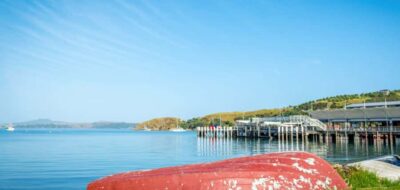
Goat Island Marine Reserve is one of Auckland’s best-known places for seeing sea life from the water. The appeal is not just the scenery. Fish and other marine creatures live in a protected area, and you can see plenty without needing a boat or advanced scuba training.
This experience is aimed at people who already feel reasonably comfortable in the water and want to improve. The word advanced should not frighten you, but it does matter. You will work on breath control and underwater movement, not just follow a guide along the surface.
The instruction is practical. You learn how to duck under the water, balance pressure in your ears as you descend, and clear a snorkel when water enters it. These are small skills, but they make a big difference. Once you know what to do, you can stay calmer and spend more time watching marine life instead of adjusting your equipment.
I especially like that the breathing practice begins before you enter the water. Holding your breath is not treated as a stunt or a contest. You practise gradually, with attention to comfort and control. That approach suits anyone who wants more confidence without feeling pushed beyond their limits.
A few more Auckland days to compare
- Waiheke Island: Ferry & Hop-On Hop-Off Explorer Bus Tickets
★ 4.6 · 3,311 reviews - Hobbiton & Waitomo Caves Guided Day Trip from Auckland incl lunch
★ 5.0 · 2,677 reviews - From Auckland: Hobbiton & Waitomo Caves Day Trip with Lunch
★ 4.9 · 2,505 reviews
Meeting at 142A Pakiri Road
Your morning begins at Goat Island Dive & Snorkel Center, 142A Pakiri Road, Leigh. The scheduled start is 10:00 am, and the full experience lasts about two and a half hours.
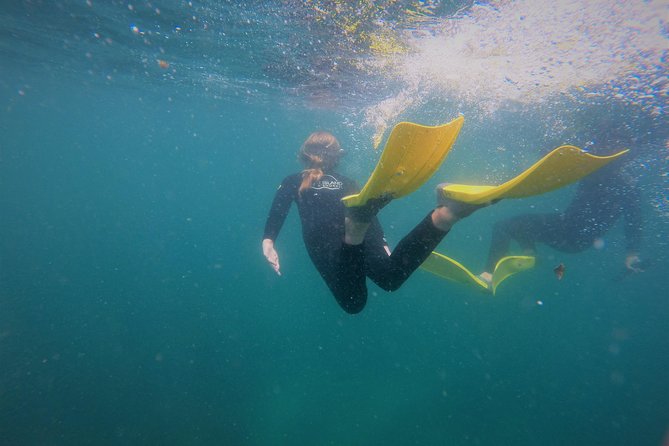
The staff fit you with a mask, snorkel, fins, wetsuit, and weight belt. Proper fit matters more than it may seem. A leaking mask or loose fin can distract you throughout the session, so this preparation is an important part of the experience rather than a quick formality.
You then drive your own vehicle about 3 kilometres to Goat Island Marine Reserve. This is worth noting when planning your morning. The activity does not include a transfer from the center to the reserve, so you need access to a vehicle and must follow the group in your own transport.
The group size is capped at 10 people. That is small enough for the guide to keep an eye on everyone and offer individual help. Still, a group can contain very different swimming abilities. If some people need more time with the basics, the group may move slowly and cover less water.
The briefing before you enter the water
At the reserve, your instructor explains the techniques again and gives you a full safety briefing. You also hear about Goat Island’s role as New Zealand’s first marine reserve and learn about the animals you may encounter.
This introduction adds useful context. You are not simply looking for any fish that happens to pass by. You begin to understand why the area supports so much marine life and what to watch for among the rocks and shallower water.
The guide also explains proper breathing for freediving practice. The goal is to help you feel more settled underwater and improve your breath-hold time gradually. You should expect instruction, reminders, and encouragement rather than a race to reach a certain depth or duration.
That makes this a good choice for someone who has snorkeled before but still feels awkward below the surface. It can also suit a first-time snorkeler who has good water confidence and wants structured help, though the advanced label means you should be ready for more than a basic orientation.
Putting duck dives and ear equalizing to work
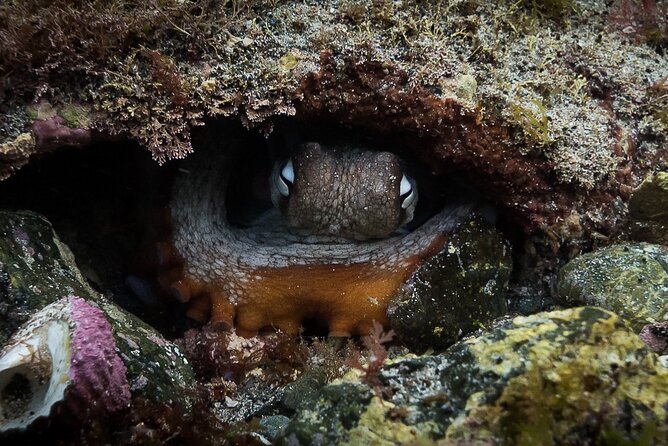
Once you enter the water, the guide helps you use the new skills in real conditions. You practise ducking under the surface, equalizing the pressure in your ears, and clearing the snorkel.
Equalizing is especially important. Water pressure increases as you descend, and learning to balance that pressure helps prevent discomfort. You should never force your ears. The useful lesson here is not simply the technique, but learning to notice how your body feels and respond before discomfort becomes a problem.
Clearing the snorkel is another confidence builder. There are several ways to remove water from the tube. Once you become comfortable with one of them, an otherwise minor problem no longer feels like an emergency.
The guide stays involved throughout the session. Connor is noted for showing people where to look and filming part of the experience. Tiff is described as staying close to the group in the water, while Sara helped participants practise underwater skills and pointed out sea life. Winnie has also led groups through the reserve while managing different swimming speeds.
Guide quality matters here because the marine life can be easy to miss. A guide who knows where to look can point out a small nudibranch, a squid’s ink, or a sea urchin that you might swim past without noticing.
Somewhere else in Auckland entirely:
- Auckland Dolphin and Whale Watching Eco-Safari Cruise
★ 4.5 · 1,790 reviews - Auckland: Hobbiton Movie Set Day Trip with Festive Lunch
★ 4.8 · 1,431 reviews - Hobbiton Movie Set Small Group Tour from Auckland
★ 5.0 · 1,380 reviews - Auckland Explorer: Sightseeing Hop-on Hop-off Tour
★ 4.0 · 1,180 reviews
Fish, rays, and small sea creatures
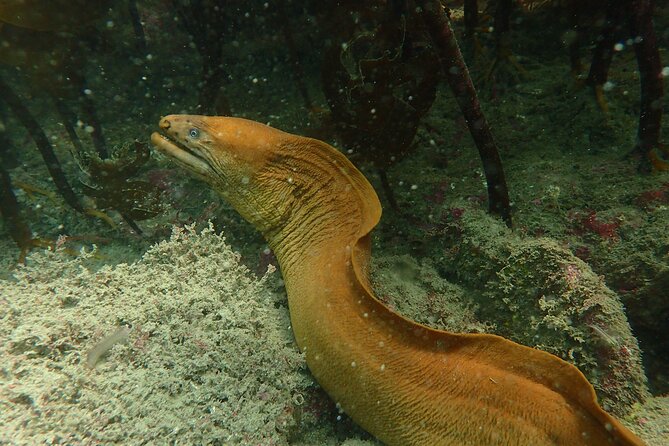
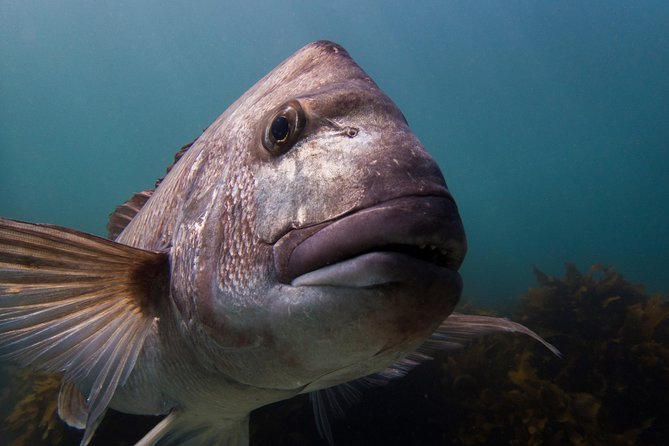
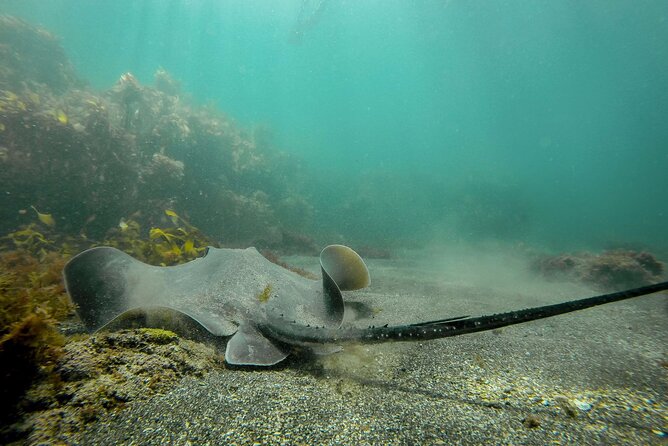
Goat Island can offer a pleasing mix of marine life. You might see large snapper, schools of smaller fish, stingrays, eagle rays, and other creatures living around the reserve. One particularly memorable sight reported from the experience was a tiny nudibranch, while another session included holding a sea urchin and seeing squid ink.
You should keep expectations realistic. Dolphins and fur seals are possible hopes in the wider marine environment, but they are not guaranteed parts of this activity. The focus is the reserve and its resident marine life, not a search for large visiting animals.
The water is described as relatively shallow and easy to navigate, which helps when you are learning new skills. That does not mean conditions are always simple. Visibility, waves, and the comfort level of the group can affect what you see and how far you go.
I like the balance between instruction and natural observation. The techniques have a clear purpose because you use them to get closer to the marine life. At the same time, you are not left to figure out the reserve on your own.
When rough water changes the plan
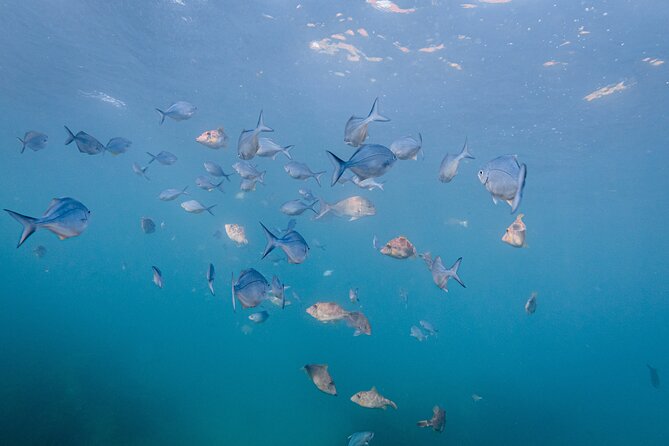
Sea conditions are the biggest variable. If the water around Goat Island is too rough, the session may move to Matheson Bay or another suitable location. One group had to make that change because the sea was too rough, but still had a good time with its guide and equipment.
A change of location means the day may not match your mental picture of Goat Island. If visiting the reserve itself is your main reason for booking, check the conditions and keep your plans flexible. The alternative is still intended to provide a safe place to practise, but marine life and scenery can differ.
The operator may cancel if the weather is poor or if the minimum number of participants is not reached. In those cases, you are offered another date or experience, or a full refund. You can also cancel for a full refund if you do so at least 24 hours before the start time. Changes or cancellations inside that window are not accepted for a refund.
The wetsuit and winter question
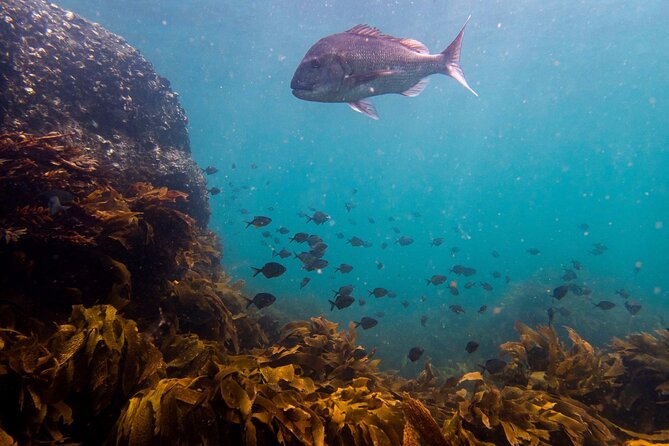
The supplied equipment includes a wetsuit, which makes the session possible beyond the warmest part of the year. Winter snorkelling has been comfortable for people using the provided wetsuits, but you should still bring a sensible attitude toward weather and water temperature.
The equipment is a major part of the price. You do not need to bring your own mask, snorkel, fins, wetsuit, or weight belt. Staff handle the fitting, and the kit remains available for the rest of the day after the guided portion ends.
That last detail gives the experience more value than a short, fixed snorkel tour. If you start early enough, you can use the remaining hours to practise what you learned and spend more time in the reserve. It also means the two-and-a-half-hour session is not necessarily your only time in the water.
The equipment should be returned according to the center’s instructions, and you should plan your day around the fact that you need your own transport to and from the reserve.
Is the $48.18 price good value?
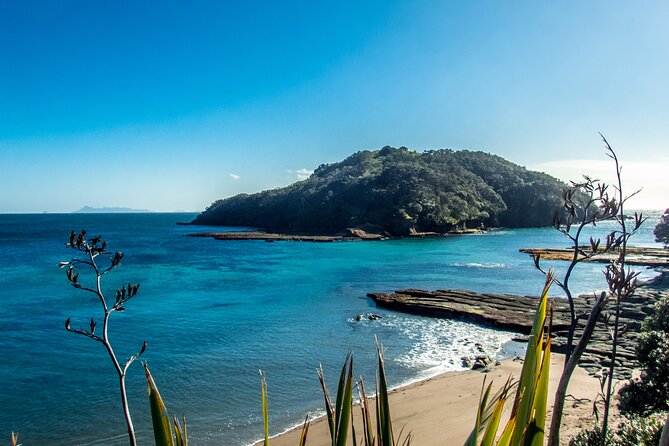
At $48.18 per person, this is fairly priced for a guided water activity that includes instruction, equipment, and access to the gear for the remainder of the day. The value improves if you make use of the extra time rather than treating the guided session as a stand-alone swim.
You are paying for more than a rental set. The guide teaches techniques that can make future snorkelling easier and safer, then helps you apply those skills in a protected marine setting. The natural setting supplies the main attraction, but the human guidance is what makes the underwater experience more accessible.
The value is less clear if you are already very confident, own your own equipment, and only want to snorkel independently for a short time. In that case, the lesson may cover skills you already know. It is also possible that a slower group will reduce the amount of water you cover.
For someone building confidence, the price includes several useful pieces at once: safety instruction, gear fitting, local marine information, a guided session, and extra equipment time. That is a solid package, especially if you plan to spend much of the day around Goat Island.
Who should book this session?
I would choose this for a person with moderate fitness who is comfortable enough in the water to practise breath control and short underwater swims. It suits a couple with different levels of snorkel experience, as well as families with older children or teenagers who can manage the physical demands.
It can also work for a first-time snorkeler who is nervous but physically prepared. One participant had very little ocean swimming experience and was initially uneasy about wearing a wetsuit, yet the structured guidance helped make the activity possible. Still, if you are not comfortable swimming or are looking for a simple surface-only outing, ask yourself if the advanced format is right for you.
The session is less suitable for someone who wants a fast-moving, highly athletic outing. A group of 10 can include people who need extra help, and the guide must keep everyone together. The reward is a safer, more patient experience, but the tradeoff can be a slower pace.
Practical details for a smooth morning
Book early if you want the best chance of using the equipment for the whole day. The activity is often reserved about 19 days ahead, so leaving it until the last minute may reduce your choice of dates.
Arrive ready for a water activity and allow time for fitting and the short drive to the reserve. Since the start and finish are at the center, your own vehicle is part of the plan.
You should also leave flexibility in your schedule. Rough water can lead to a change of site, and the operator may need to cancel when weather makes the activity unsafe. The benefit is that you are not locked into an unsafe outing, and a full refund or another date is available when the operator cancels.
The 98 percent recommendation rate and 4.9 rating from 40 ratings point to a consistently well-received experience, with the strongest praise focused on friendly staff, good equipment, safety, and guides who stay engaged in the water. The main caution is not poor service. It is the usual uncertainty of a marine activity and the effect of mixed abilities within a small group.
Should you book the Guided Snorkel Experience, Advanced?
Book it if you want more than a quick look beneath the surface. You will learn useful skills, receive all the core equipment, swim in a special marine reserve, and keep the kit for additional practice that day.
I would be especially keen to book this for a visitor who is curious about marine life but not fully confident snorkelling alone. Guides such as Sara, Connor, Tiff, and Winnie bring the kind of close support that helps you notice small creatures and stay calm when conditions or technique feel unfamiliar.
Think twice if you need guaranteed calm water, a private pace, or a fixed Goat Island itinerary. The reserve can be rough, the group can move slowly, and larger animals such as dolphins and fur seals are not promised. For most reasonably fit people who want instruction, safety, and good value in one outing, this is a strong way to experience Goat Island.
FAQ
Where does the Guided Snorkel Experience begin?
The activity begins at Goat Island Dive & Snorkel Center, 142A Pakiri Road, Leigh 0985, New Zealand. It starts at 10:00 am and ends back at the meeting point.
How long does the experience last?
The guided experience lasts approximately 2 hours and 30 minutes.
What equipment is provided?
The operator provides a mask, snorkel, fins, wetsuit, and weight belt. You can use the equipment for the rest of the day after the guided session.
Do I need my own transport to Goat Island Marine Reserve?
Yes. After equipment fitting at the center, you drive your own vehicle about 3 kilometres to Goat Island Marine Reserve, where you meet the instructor.
What happens if the weather is poor?
The experience requires good weather. If poor conditions lead to cancellation, you are offered another date or a full refund. Rough water may also result in the session moving to Matheson Bay.
What is the cancellation policy?
You can cancel at least 24 hours before the start time for a full refund. Cancellations or changes made less than 24 hours before the experience are not accepted for a refund.
Newly listed around Auckland
- Kumeu Winery Boutique Tour with Gourmet Lunch from Auckland★ 4.0 · 5 reviews
- Private tour – Hobbiton Movie Set Evening Banquet Return from Auckland★ 5.0 · 5 reviews
- Private 2 Day Tour: Hobbiton, Waitomo, Rotorua Geothermal & Hamilton Gardens★ 4.0 · 5 reviews
- Private Auckland Luxury Tour★ 5.0 · 5 reviews
- Private Transfer From Auckland Airport To Rotorua★ 5.0 · 5 reviews
- Auckland City Halfday Tour★ 5.0 · 5 reviews
- Ex Auckland: TE PUIA Geothermal, Redwood & Blue Springs★ 4.4 · 5 reviews
- Auckland: Rotoroa Island and Man O’War Vineyard Combo Tour★ 4.6 · 5 reviews
Auckland Tours, compared.
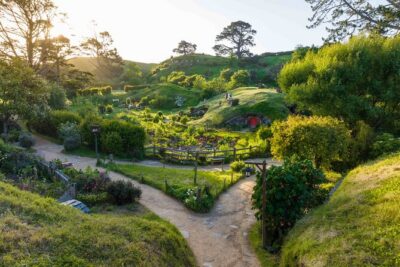
Hobbiton & Waitomo Caves Guided Day Trip from Auckland incl lunch
Read our review →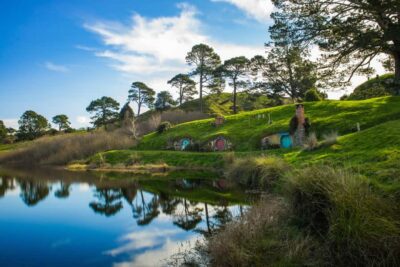
Hobbiton & Waitomo Caves Day Trip with Lunch
Read our review →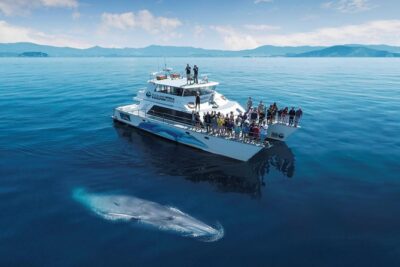
Auckland Dolphin and Whale Watching Eco-Safari Cruise
Read our review →
Hobbiton Movie Set Day Trip with Festive Lunch
Read our review →
Hobbiton & Waitomo Caves Small-Group Tour W Lunch from Auckland
Read our review →
Half-day Discover Auckland City Sightseeing Tour
Read our review →
Whale and Dolphin Watching Half-Day Eco Cruise
Read our review →