
Reviewed · AUCKLAND TOURS
Auckland: Rotorua Māori Cultural & Geothermal Tour & Lunch
Rotorua’s best one-day pairing is cultural and volcanic: you’ll watch Māori performers arrive by warrior canoe, eat food cooked in an earth oven, then walk among steaming ground and brilliantly colored pools at Wai-O-Tapu. The hāngī lunch and Champagne Pool give the day two very different centerpieces.
I like the small-group minibus, which keeps a long day more personal than a large coach trip. I also like the care given to the journey itself, with Waikato farm views, onboard water, cookies, refreshments, Wi-Fi, and a guide such as Karthik to keep the schedule moving. The catch is the 13-hour length, plus the fact that Mitai Māori Village is a performance setting rather than a working village.
Key points to know before booking
- Two major Rotorua sights in one day: Pair a Māori cultural program with Wai-O-Tapu’s volcanic features.
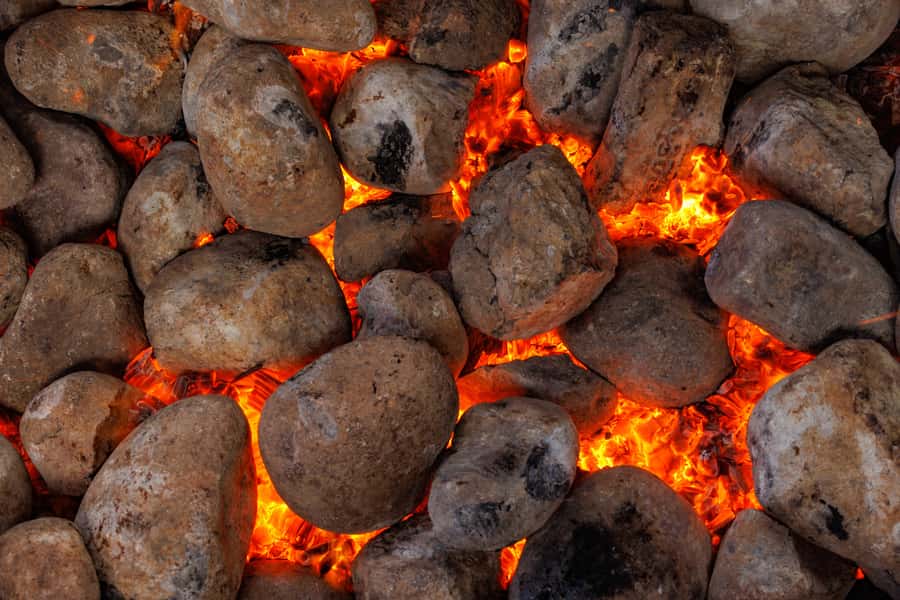
- A real earth-oven meal: The hāngī is cooked below ground on hot stones, then served as a buffet lunch.
- A powerful welcome program: Expect a pōwhiri, waiata, mōteatea, poi, haka, wero, carving, tā moko, and weapons displays.
- Small-group transport from Auckland: A temperature-controlled minibus includes return transfers, water, refreshments, and high-speed internet.
- Wai-O-Tapu takes 45 to 90 minutes: The walk is self-guided, with uneven and unpaved sections.
- This is a full-day commitment: The price is $264 per person, and the long return drive makes comfortable clothing and shoes essential.
A long Auckland to Rotorua day with a clear purpose
This tour covers a lot of New Zealand in one stretch. You leave Auckland by minibus, cross the Waikato region, spend time at a Māori cultural center in Rotorua, then visit Wai-O-Tapu before returning to Auckland. It lasts about 13 hours, so I would treat it as a focused introduction to the central North Island rather than a relaxed outing.
The road portion has value beyond getting from point A to point B. Look for open farmland, mountains, farm animals, and changing views as the city gives way to rural Waikato. The minibus includes water, refreshments, and complimentary high-speed internet, useful on a long day when you want to check a map, send a message, or simply rest.
The small-group format matters here. A day this long can feel tiring in a crowded coach, while a smaller vehicle allows for a more direct relationship with the escort. Karthik is specifically noted as friendly, patient, and well informed about New Zealand. He also kept a good pace for the day and made rest stops useful, something older visitors will appreciate.
You must be at your pickup point 10 minutes early. The minibus is identified by registration number KYQ418 or the name TOURME, and late passengers cannot expect the vehicle to wait. That rule is worth taking seriously because a missed pickup means no refund.
More Maori Experiences in Auckland
- Waitomo Caves & Rotorua – Te Puia Small-Group Tour from Auckland
★ 4.5 · 681 reviews - Auckland: Waitomo Caves & Rotorua – Te Puia Small-Group Tour
★ 4.8 · 223 reviews - Hobbiton & Rotorua Small Group Tour including Te Puia from Auckland
★ 5.0 · 190 reviews
Meeting Māori culture at Mitai Māori Village
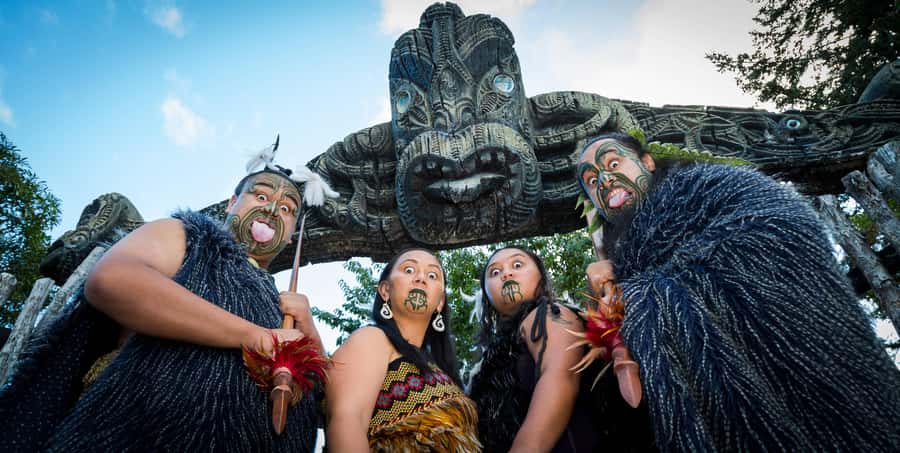
The cultural portion takes place at Mitai Māori Village near Rotorua. This is a staged cultural experience, not a residential village where Māori families live their daily lives. Knowing that in advance helps you judge it fairly: you are attending a carefully organized presentation of Māori traditions, arts, food, and performance.
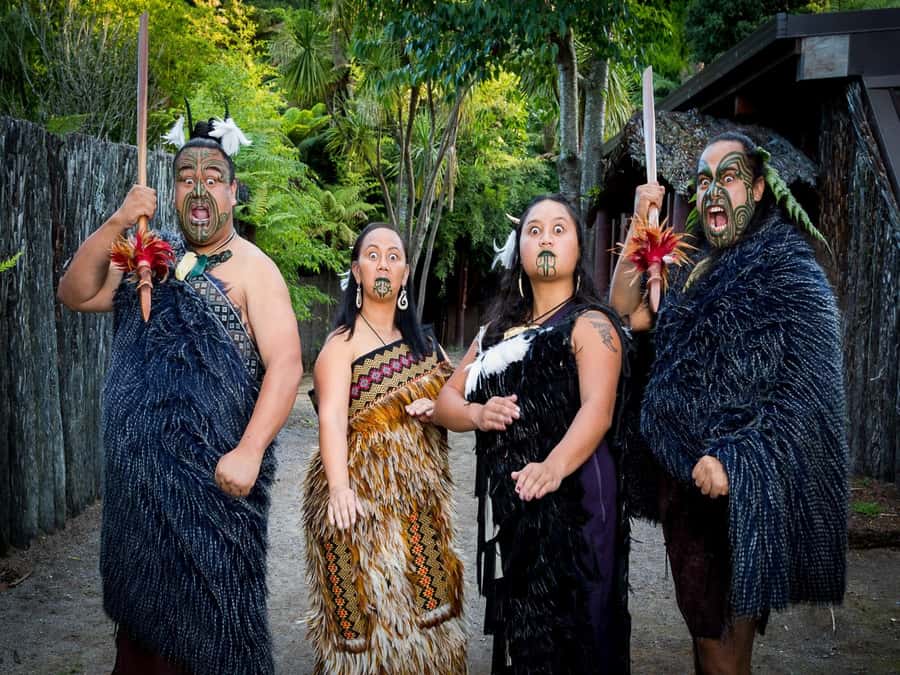
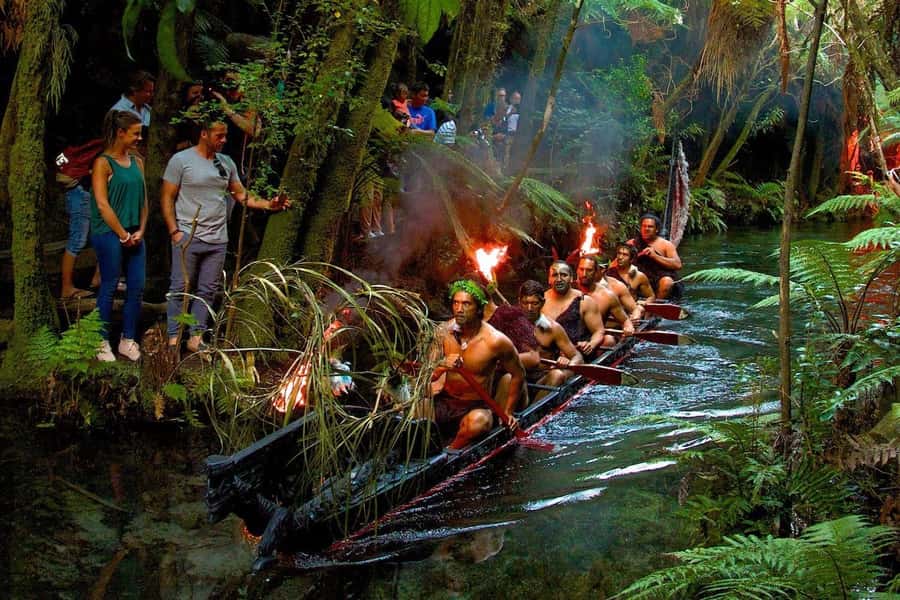
The welcome begins with a wero, a traditional challenge associated with receiving visitors. You then see a pōwhiri, or formal welcome, followed by waiata, song, and mōteatea, a traditional chant. The program also includes poi and haka. These are not just colorful stage pieces. Together, they explain how Māori communities express welcome, identity, respect, strength, and emotion.
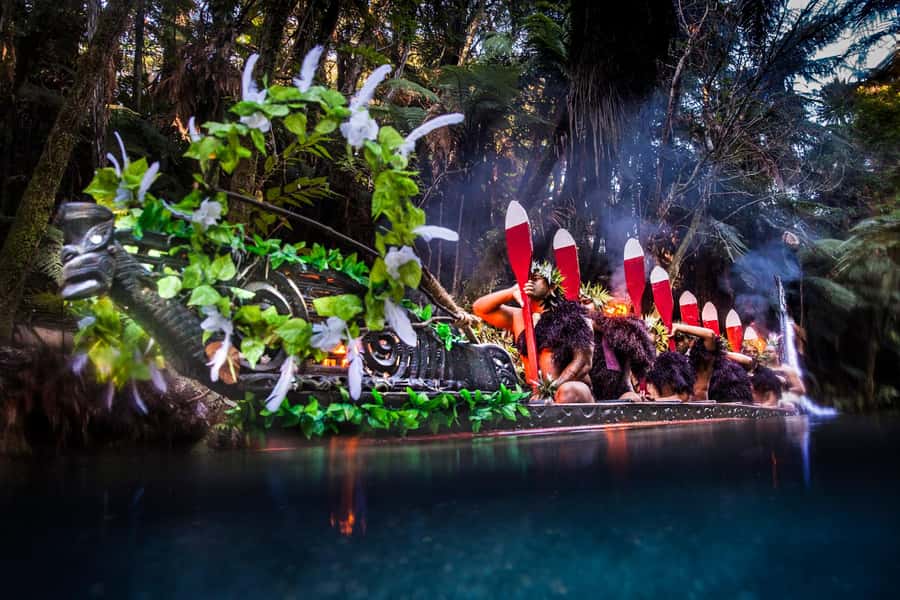
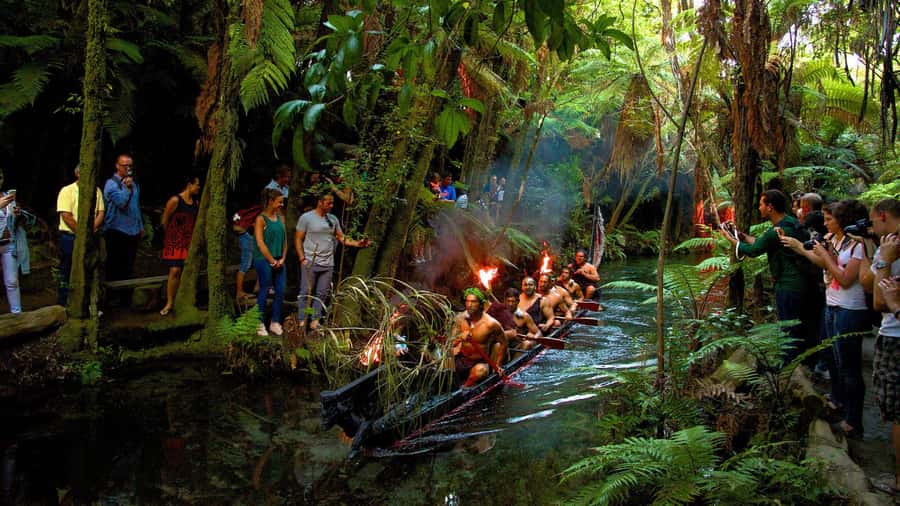
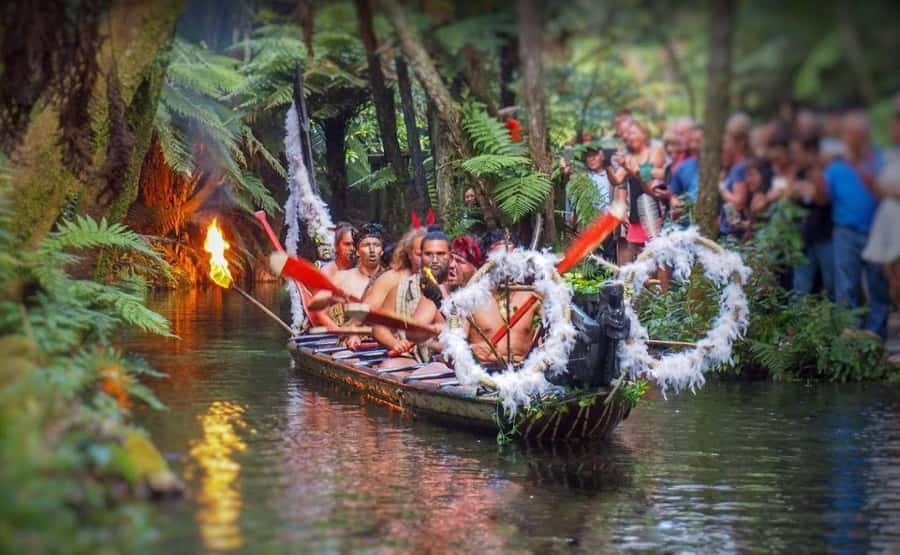
The warrior canoe display takes place on the Wai-o-Whiro stream. Watch for warriors moving along the water in a traditional war canoe. The quiet setting makes the arrival especially striking, since the calm stream contrasts with the force and precision of the performance.
The presentation also introduces Māori carving and tā moko, the traditional tattoo art. Weapons and combat displays show why Māori warriors were so feared. Some of the gestures are theatrical, but the purpose is not simply spectacle. You get a window into the importance of body language, oral tradition, craftsmanship, and group discipline.
The emotional force may surprise you. A haka can look familiar from sports broadcasts, but seeing it as part of a formal cultural program gives it more context. Pay attention to the faces, footwork, vocal rhythm, and use of the body. The physical intensity is the point.
One practical note: the Māori program can run longer than planned. That happened during one visit, with the later schedule becoming a little tight. Your guide should work to keep the day on track, but it is sensible to expect some variation. A live performance does not always fit neatly into a stopwatch.
What the hāngī lunch is really like
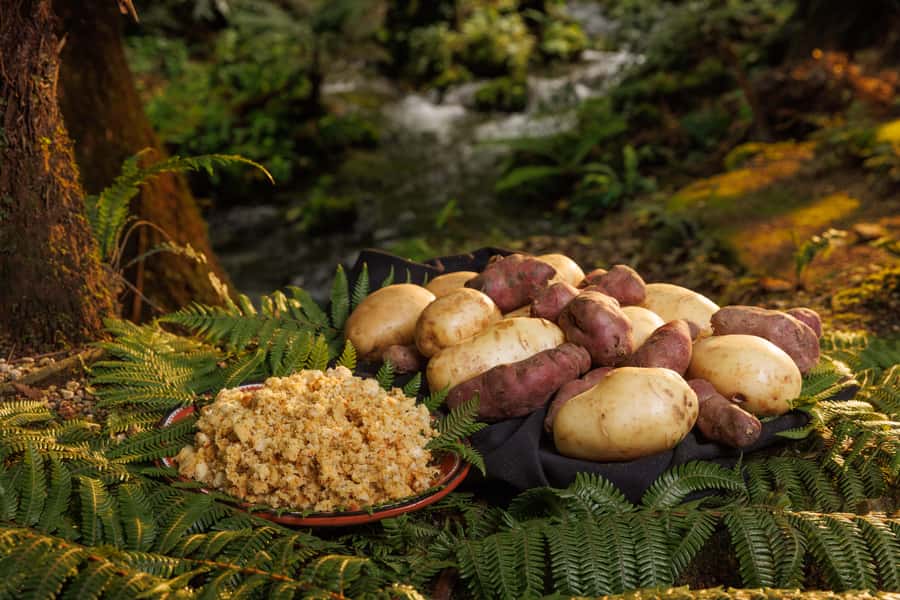
The meal is a major reason to choose this tour. A hāngī is prepared in an earth oven, with a pit about one to two meters deep. Baskets of kai, or food, are placed on hot stones at the bottom, where the food cooks slowly under the ground.
This method gives the meal its distinctive flavor and makes lunch part of the cultural lesson rather than a separate restaurant stop. You are not just handed a plate and sent on your way. The preparation connects food with land, heat, ceremony, and community.
The lunch is served as a buffet, which makes it easy to choose what suits you from the available dishes. The food has been praised as one of the strongest parts of the day, and one assessment called it beyond compare. That said, standards can feel more functional than polished in a group dining setting. One person found the lunch dishes less clean than expected, so I would approach the meal as a traditional communal feast, not a fine-dining service.
Dietary planning needs care. Some requests may be accommodated, but the provider cannot meet every need, and vegan options are not guaranteed. If food restrictions are important to you, ask before booking rather than assuming the buffet will cover them.
Walking through Wai-O-Tapu Thermal Wonderland
After the cultural program and lunch, the tour continues to Wai-O-Tapu Thermal Wonderland. This is one of New Zealand’s most striking geothermal areas, with a self-guided walk that generally takes 45 to 90 minutes.
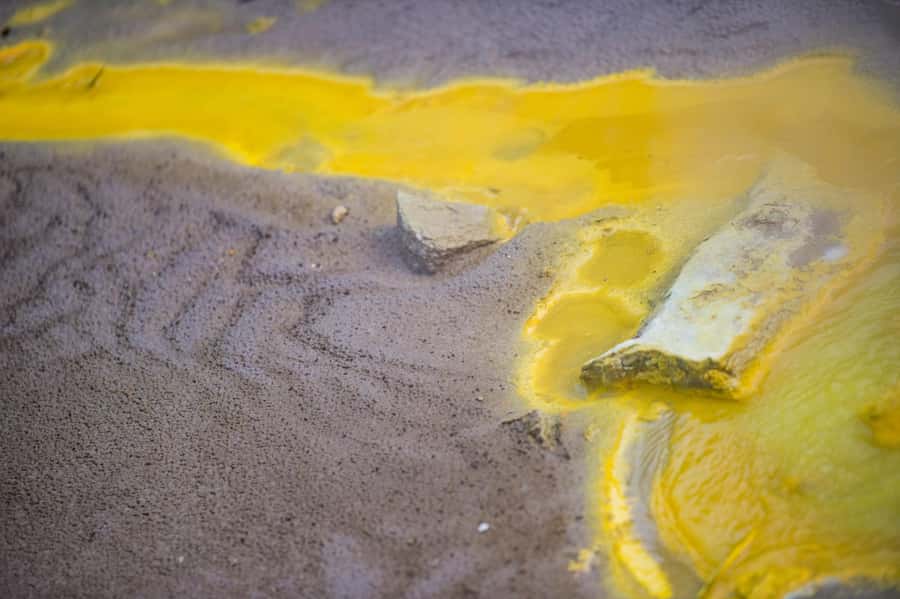
The setting feels almost lunar in places. Steam rises from the ground, mud bubbles in pools, and mineral deposits create strong natural colors. You’ll see hot and cold springs, volcanic craters, sinter terraces, and broad views across the thermal area.
The world-famous Champagne Pool is the star feature. Its broad rim and unusual coloring make it one of the park’s best photo stops. You will also see the vivid Devil’s Bath, bubbling mud, and steaming ground. The colors come from natural mineral and chemical activity, so stay on the marked paths and do not touch the plants or geothermal features.
The self-guided format gives you a welcome change of pace after the structured cultural show. You can walk at your own speed, stop for photographs, and take in the details without having to follow a continuous spoken explanation. The tradeoff is that you need to manage your time. If you linger at every pool, you may find the return to the minibus feels rushed.
The paths include uneven and unpaved terrain, with stairs to climb and descend. Comfortable walking shoes are essential. Jandals, flip-flops, sandals, and high heels are poor choices here, even if the Auckland weather looks warm when you leave.
More geothermal parks and hot pools:
- Auckland: Hobbiton, Rotorua and Wai-O-Tapu Day Tour
★ 4.8 · 458 reviews - Hobbiton & Rotorua including Wai-O-Tapu – Small Group Tour from Auckland
★ 5.0 · 450 reviews - Auckland: Rotorua Wai-O-Tapu, Te Puia with Haka
★ 4.9 · 161 reviews - Auckland to Hobbiton Movie Set and Rotorua’s Geothermal Valley
★ 5.0 · 115 reviews
How the schedule feels over 13 hours
Auckland to Rotorua is a substantial road journey, and adding two major stops creates a packed day. The reward is efficiency: you see Rotorua’s Māori culture and geothermal attractions without arranging separate transport or spending a night away from Auckland.
The drawback is that you have limited flexibility. This is not the right choice if you want a slow Rotorua visit, long photo sessions, or time to explore the city independently. It is a good fit if your North Island schedule is tight and you want a strong first look at the region.
The guide has an important job. Karthik received especially strong praise for his pleasant manner, patience, information, and ability to maintain a good pace. The tour includes built-in free time, but the day still depends on everyone returning promptly to the minibus.
Rest stops matter, especially for older passengers and anyone who finds long drives uncomfortable. The vehicle is temperature controlled, and onboard water and refreshments help, but this remains a long sitting-and-walking day. Wear layers because New Zealand weather can change, and bring a jacket even if the forecast begins with sunshine.
Is $264 per person good value?
At $264 per person, this is not a cheap Auckland day trip. The value comes from what is bundled into the price: return transfers from Auckland CBD, a small-group minibus, an English-speaking escort, onboard refreshments and water, Wi-Fi, admission to the Mitai Māori Village program, the hāngī buffet lunch, and entry to Wai-O-Tapu.
If you hired transport and paid admission separately, you would also need to coordinate a very long driving day. For a visitor without a car, the convenience is significant. You can watch the Waikato scenery instead of dealing with navigation, parking, and the return trip after a full day on your feet.
The price makes less sense if you want only one of the two main attractions. Someone mainly interested in geothermal features could choose a shorter Rotorua visit, while someone focused on Māori culture might prefer a program with more time at the cultural site. This tour earns its price by combining both.
The overall experience also depends heavily on expectations. If you expect a private village visit or a small, informal cultural gathering, the Mitai program may feel industrial or theatrical. If you understand it as a respectful, organized presentation followed by a traditional meal, it offers a clear and accessible introduction.
Who will enjoy this Auckland day trip?
I would recommend it to first-time visitors who have only one day for Rotorua. Families with older children may like the mix of performance, food, canoe display, and unusual geothermal sights. It also suits solo visitors and couples who want a guide rather than a long day of self-driving.
The tour is suitable for people of all ages who have a basic level of fitness. You need to walk on uneven ground and manage stairs. Bring sturdy shoes, a hat, sunscreen, water, and a camera or phone. Sun protection matters even when the air feels cool.
This trip is not suitable for wheelchair users, pregnant women, or people with back or heart problems. Tours run in all weather, so dress for changing conditions. A warm layer and rain protection are wise additions.
Small details that improve the day
Arrive at pickup 10 minutes early, and confirm the minibus identification details. Keep your essentials with you because the day includes both outdoor walking and a formal cultural program.
Use the road time to rest. You do not need to spend every minute looking out the window, although the Waikato countryside offers good views and the chance to spot farm animals. The onboard internet is a useful extra, but a charged phone and camera remain more important.
At Wai-O-Tapu, stay on the paths and protect your footwear from mud and damp ground. Take photographs, but do not let the camera keep you from noticing the smell of sulfur, the steam, and the strange colors around the pools.
At Mitai, watch the full sequence rather than waiting only for the haka. The welcome, songs, chants, poi, carving, tā moko, canoe, and weapons displays work together. The wider program gives the performance meaning.
Free cancellation is available up to 24 hours before departure. The tour also requires a minimum number of participants, so a cancellation for that reason results in an alternative date or experience, or a full refund.
Should you book it?
Book this tour if you want the most efficient way to combine Auckland, Rotorua Māori culture, a hāngī lunch, and Wai-O-Tapu in one day. The strongest reasons are the well-organized transport, the memorable canoe and haka program, the earth-oven meal, and the chance to walk through one of New Zealand’s most unusual geothermal areas.
Think twice if you dislike long road days, staged cultural presentations, buffet meals, or fixed schedules. Mitai is not an inhabited village, and the geothermal walk requires steady footing. For the right visitor, though, $264 buys a full, varied day with a guide who can make the miles between Auckland and Rotorua worthwhile.
FAQ
How long is the tour from Auckland?
The tour lasts approximately 13 hours, including the return journey between Auckland and Rotorua.
Where does pickup take place?
Pickup and drop-off are provided from Auckland CBD locations. You should arrive at the pickup point 10 minutes before the scheduled time.
How will I identify the minibus?
The vehicle bears registration number KYQ418 or the name TOURME.
Is lunch included?
Yes. The tour includes a hāngī buffet lunch at Mitai Māori Village. The food is cooked in an earth oven using hot stones.
What Māori activities are included?
The program includes a traditional welcome, wero, pōwhiri, waiata, mōteatea, poi, haka, a warrior canoe display, and presentations about carving, tā moko, weapons, and combat.
How long is the Wai-O-Tapu walk?
The self-guided walk at Wai-O-Tapu generally takes between 45 and 90 minutes.
What should I wear and bring?
Wear comfortable clothing, sturdy walking shoes, sun protection, and a jacket or warm layer. Bring water, a hat, sunscreen, and a camera or phone.
Is the tour suitable for wheelchair users?
No. The experience includes stairs and uneven, unpaved ground and is not suitable for wheelchair users.
Can dietary requirements be accommodated?
Some dietary requests may be possible, but not all needs can be met. Vegan options are not guaranteed, so ask about your requirements before booking.
More lunch stops in Auckland
- Hobbiton & Waitomo Caves Guided Day Trip from Auckland incl lunch
★ 5.0 · 2,677 reviews - From Auckland: Hobbiton & Waitomo Caves Day Trip with Lunch
★ 4.9 · 2,505 reviews - Auckland: Hobbiton Movie Set Day Trip with Festive Lunch
★ 4.8 · 1,431 reviews - Hobbiton & Waitomo Caves Small-Group Tour W Lunch from Auckland
★ 5.0 · 1,117 reviews
Newly listed around Auckland
- Private tour – Hobbiton Movie Set Evening Banquet Return from Auckland★ 5.0 · 5 reviews
- Kumeu Winery Boutique Tour with Gourmet Lunch from Auckland★ 4.0 · 5 reviews
- Private 2 Day Tour: Hobbiton, Waitomo, Rotorua Geothermal & Hamilton Gardens★ 4.0 · 5 reviews
- Private Auckland Luxury Tour★ 5.0 · 5 reviews
- Private Transfer From Auckland Airport To Rotorua★ 5.0 · 5 reviews
- Auckland City Halfday Tour★ 5.0 · 5 reviews
- Ex Auckland: TE PUIA Geothermal, Redwood & Blue Springs★ 4.4 · 5 reviews
- Private 2 Hour Surf Lesson★ 5.0 · 5 reviews
Auckland Tours, compared.
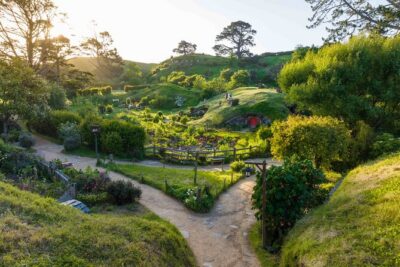
Hobbiton & Waitomo Caves Guided Day Trip from Auckland incl lunch
Read our review →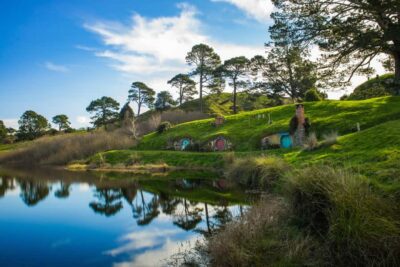
Hobbiton & Waitomo Caves Day Trip with Lunch
Read our review →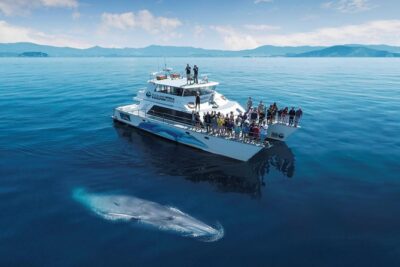
Auckland Dolphin and Whale Watching Eco-Safari Cruise
Read our review →
Hobbiton Movie Set Day Trip with Festive Lunch
Read our review →
Hobbiton & Waitomo Caves Small-Group Tour W Lunch from Auckland
Read our review →
Half-day Discover Auckland City Sightseeing Tour
Read our review →
Whale and Dolphin Watching Half-Day Eco Cruise
Read our review →
Browse the lists this tour appears in