
Reviewed · AKAROA TOURS
Akaroa Nature and History Private Tour – The 7th Generation
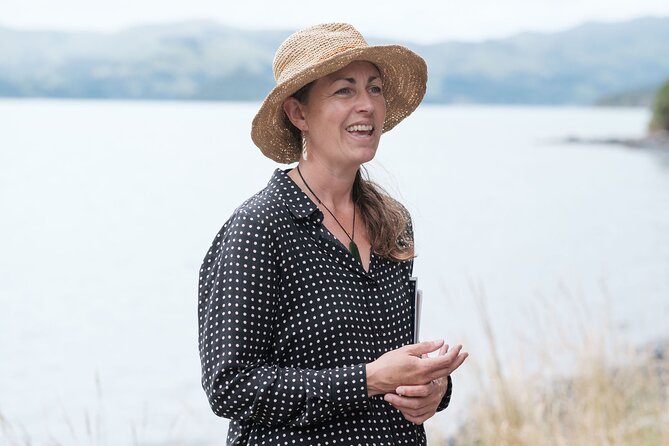
Akaroa’s story is unusually personal. On this private tour, guide Marie Haley connects the town’s Māori, French, and British past to her own family, descended from the French settlers who arrived here. You get more than dates and buildings. You get the human thread behind them.
I like the mix of serious history and open-air scenery, especially the stop at Takapuneke Reserve and the drive toward Hinewai Reserve. I also like the small private format, which gives you room to ask questions and lets Marie tailor the pace to your group. The main drawback is the three-hour time limit: there is a lot to cover, and this is not a slow, long-walk tour.
Key points to know before booking
- Marie Haley is a seventh-generation Akaroa descendant, trained as a historian and ecologist, with a family connection to the town’s French settlement.
- Takapuneke Reserve brings several eras together, from geology and Polynesian navigation to the flax trade and the arrival of Europeans.
- Onuku Church offers a direct link to Māori culture, the Treaty of Waitangi, and early British administration.
- The tour is private for your group of up to four, making the $341.32 group price more reasonable when shared.
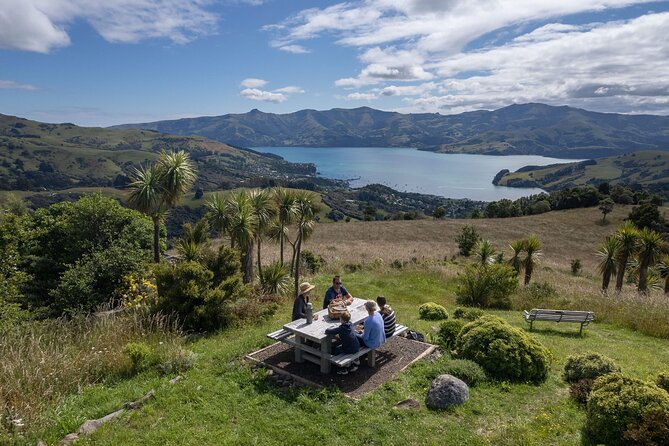
- Akaroa Heritage Park provides a picnic stop with views across Akaroa Harbour.
- The route includes nature and sightseeing beyond central Akaroa, including discussion of Hinewai Reserve and a drive toward the End of the Earth.
Why Marie Haley’s family story changes Akaroa
Akaroa is easy to like at first glance. Rue Lavaud, the French street names, old buildings, the harbour, and the surrounding hills make it one of the most distinctive small towns on Banks Peninsula. But a quick walk can leave you with a charming picture rather than a clear understanding of how the place took shape.
Marie Haley gives the town a family voice. As the seventh-generation descendant of French settlers, she can explain the French attempt to establish a settlement here while also placing it within the larger contest between France and Britain for control of the South Island.
That personal connection matters because Akaroa’s story is not only about one European arrival. It also includes Māori occupation, Polynesian exploration, trade, British authority, shifting land relationships, and the natural forces that formed the peninsula long before any of those events.
Marie’s training in history and ecology makes this a useful choice if you want those subjects tied together. You are not simply moving from one photo stop to the next. You are being shown how the town, harbour, reserves, and people fit into a much longer story.
She was also a finalist for Tourism Business Excellence at the 2024 New Zealand Tourism Awards. That does not guarantee a perfect outing, of course, but it is a helpful sign that this small, one-person operation has been taken seriously within New Zealand tourism.
More History Tours in Akaroa:
- Auckland: All Blacks Experience Guided Cultural Tour
★ 4.7 · 453 reviews - All Blacks Experience: Interactive Guided Cultural Tour
★ 4.5 · 228 reviews - Olveston Historic Home Guided Tour
★ 5.0 · 205 reviews
The lighthouse and Akaroa’s first visual clue
The Akaroa Lighthouse is one of the town’s most photographed historic structures, and it makes a good opening point. You learn about the lighthouse itself and its connection to the family of Robert Louis Stevenson.
The value here is not just the photograph. The lighthouse introduces Akaroa as a place shaped by the sea. The harbour was central to movement, trade, settlement, and communication, and the structure gives you a physical reminder of that maritime setting.
You should expect this part to be more about interpretation than a long visit inside a major attraction. The tour information describes the lighthouse as a historic site and a photo stop, so do not book this expecting a full museum visit or an extended lighthouse climb.
Still, it is a smart first look at Akaroa. Once you understand the importance of the harbour, later stops at the reserve and heritage park make more sense.
Takapuneke Reserve: geology, navigation, and the flax trade
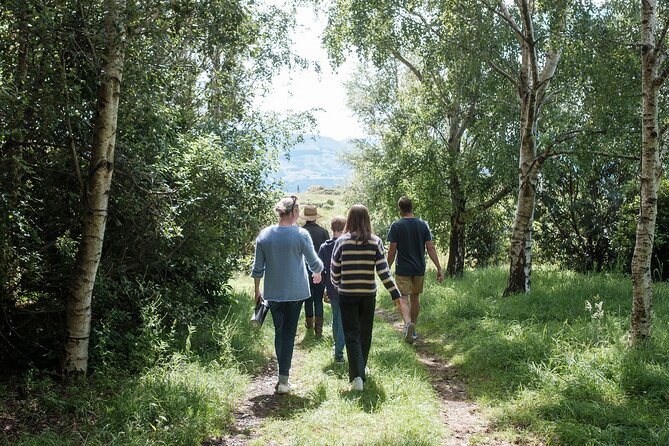
Takapuneke Reserve is the most layered stop on the route. You spend about 30 minutes here, with no admission charge, learning about New Zealand’s geological and natural history, Polynesian navigation and exploration, European arrival, the flax trade, and the Brig Eli.
That is a lot for half an hour, but it gives Marie a place to show how natural setting and human history overlap. The reserve is not just a patch of greenery beside the road. It becomes a setting for understanding why people came here, how they moved across the Pacific, and how trade changed relationships after European arrival.
The Polynesian navigation section is especially valuable. It puts New Zealand’s story in its proper order. Human exploration did not begin with Europeans. Polynesian voyagers reached and settled Aotearoa through extraordinary knowledge of the ocean and stars, long before French or British ships appeared.
The discussion of the flax trade adds a practical economic angle. You learn how a local plant became part of a wider commercial story and how European interest affected the region. The mention of the Brig Eli gives the history a specific vessel and event rather than leaving it as a list of broad themes.
I would pay attention to your footwear and mobility here. The tour description does not promise a long hike, but you should be prepared to enter and exit the vehicle and spend time outdoors. Tell Marie about major health or mobility issues in advance so she can adjust the outing where possible.
Onuku Church and the Treaty of Waitangi
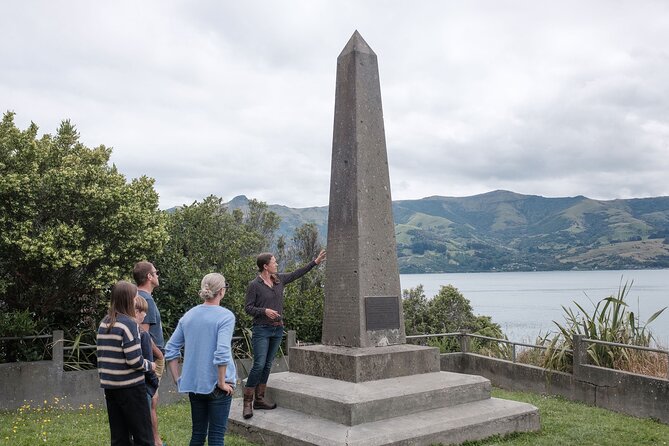
The stop at Onuku Church, also called Kaik, lasts about 20 minutes and is free. You get time to see a beautiful Māori church, take photographs, and learn about the Treaty of Waitangi and the first British Resident to New Zealand.
This is one of the most important parts of the tour because it moves the discussion beyond French settlement. Onuku connects the local story to the political agreements and cultural relationships that shaped New Zealand as a whole.
A short visit cannot explain every part of the Treaty of Waitangi. You should think of this stop as a focused introduction, not a university lecture. Marie’s role is to give you local context and help you understand why this church and place matter.
The setting also gives the tour a welcome change of pace. After the broader story at Takapuneke, Onuku offers a quiet cultural and architectural stop. You have time for photographs, but the point is not simply to collect another picture. It is to see a place where Māori and colonial history meet in a concrete, local setting.
A few more Akaroa days to compare
- Akaroa Dolphins ~ Harbour Nature Cruise
★ 5.0 · 2,143 reviews - Akaroa: Dolphin Nature Cruise
★ 4.9 · 440 reviews - Akaroa Harbour Nature Cruise
★ 5.0 · 332 reviews - Swimming with Wild Dolphins in Akaroa
★ 4.5 · 261 reviews
The French and British contest, told through one family
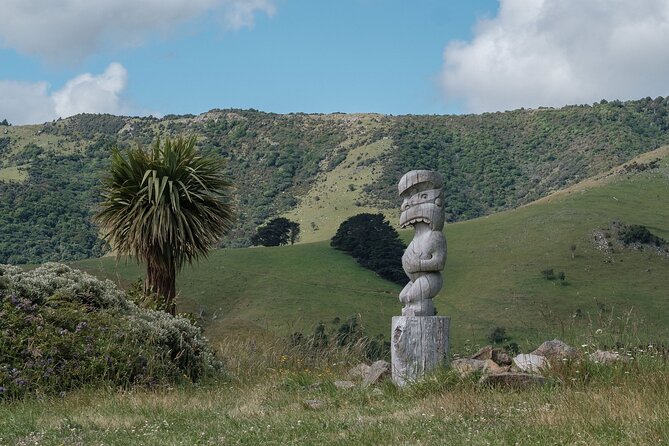
Akaroa’s European story has a twist that sets it apart from many New Zealand towns. Marie explains the race for the South Island between the French and British, then links that contest to her own family history as descendants of the first French settlers in Akaroa.
This is where the tour’s private format earns its keep. You can ask how family memory fits beside written history, and you can pause on points that interest you. With a larger group, this sort of personal exchange is harder to manage.
The family connection also helps explain the French character of central Akaroa without reducing the town to painted facades and street names. You hear how settlement decisions, imperial competition, and local relationships affected the place you see today.
I would book this tour early if the date matters to you. The experience is commonly reserved far ahead, with an average booking lead time of 218 days. That is unusually early for a three-hour local tour, but it makes sense for a private operation with one main guide.
Central Akaroa: buildings with a personal link
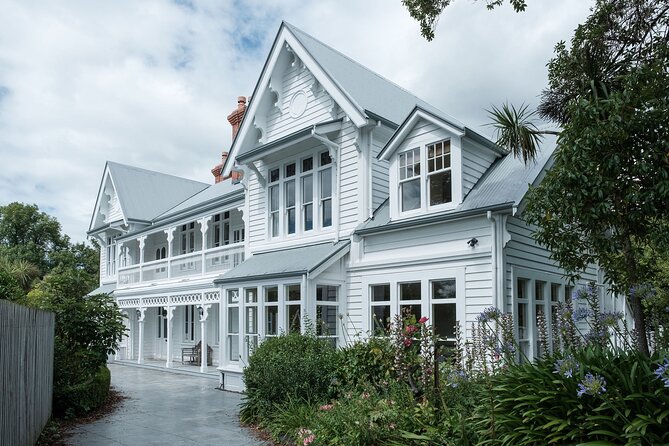
The tour includes a visit through the French town of Akaroa and several historic sites. Marie presents these places through her family story, which adds depth to what could otherwise be a short architectural walk.
This portion should suit you if you like old buildings but want more than a list of construction dates. The town’s historic sites become part of a connected account of settlement, family, commerce, and local identity.
The schedule does not provide a fixed list of every building visited, so do not expect a guaranteed stop at a particular house or museum unless you confirm it before booking. The route can include arrangements to stop and visit additional places, but the exact details are not specified.
That flexibility is useful for a private group. You can tell Marie what interests you most, such as family history, architecture, Māori culture, or the French settlement. Just remember that three hours is a compact window, so the tour cannot give equal time to every subject.
Akaroa Heritage Park and the harbour picnic
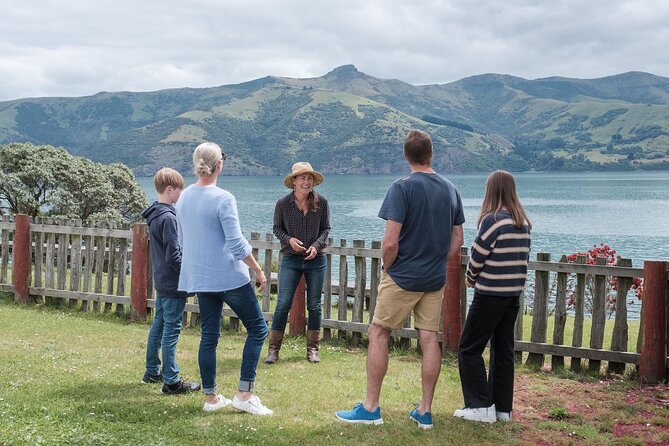
The 30-minute stop at Akaroa Heritage Park is the most restful part of the tour. You pause for a picnic overlooking Akaroa Harbour, with time to enjoy the view and think about the stories covered earlier.
This is a welcome feature, especially if you are fitting the tour into a busy day. A scenic break keeps the experience from becoming a nonstop lecture, and the harbour view gives you a chance to connect the history to the place itself.
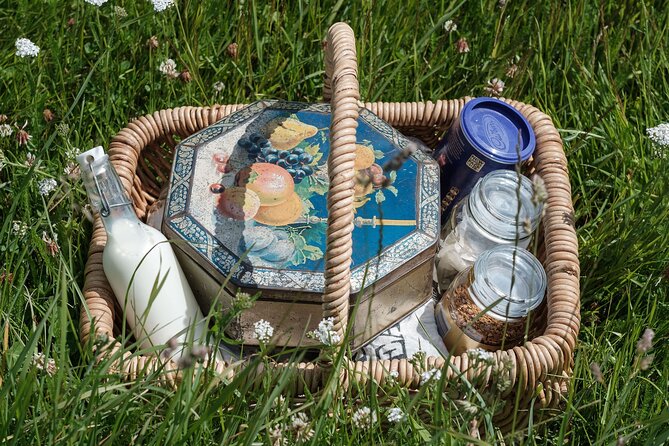
The picnic is not described as a catered meal, so plan on bringing or arranging your own food unless you confirm otherwise. The tour information says picnic stop, not included lunch. That small distinction can save you from arriving hungry.
I like this pause because it supports the tour’s larger aim: building a sense of connection to New Zealand and its natural setting. You are not being rushed from one site to another. You get a brief chance to sit, look across the harbour, and let the information settle.
The drive toward Hinewai Reserve and the End of the Earth
The final nature section is a sightseeing drive rather than a stated long walk. Marie discusses Hinewai Reserve, described as New Zealand’s largest private reserve, where native forest is regenerating through the removal or control of invasive exotic weeds.
That story gives you a useful example of ecological recovery. Instead of presenting nature as a fixed backdrop, the tour shows how land can change over time and how people can help native forest return.
The route also includes a drive toward the End of the Earth. The supplied details do not specify the exact road, walking distance, or final viewpoint, so you should treat this as a scenic drive with interpretation rather than assume a demanding trek or a particular lookout.
This part will suit you if you enjoy seeing the wider Akaroa area, not just the compact town center. It also gives Marie a chance to explain the plants and places around the harbour in ecological terms.
Weather matters here. The experience requires good conditions, and poor weather may lead to a different date or a full refund. Even on a clear day, bring outdoor clothing suitable for changing conditions, since part of the experience takes place outside the vehicle.
What the $341.32 group price really buys
The listed price is $341.32 per group of up to four people. That is not a cheap per-person excursion if you are traveling alone, but the calculation changes for a small party.
Four people sharing the cost pay about $85 each. Two people pay about $171 each, while a solo participant carries the full group cost. For a private three-hour tour with a specialist guide, the strongest value comes when three or four people book together.
You are paying for more than transport between viewpoints. The price includes Marie’s time, local family access, historical interpretation, ecological context, and the ability to ask questions without a busload of other people waiting. The route also reaches places and stories you might not understand or locate easily on your own.
I would not choose this tour if your main goal is the lowest-cost way to see Akaroa’s center. You can walk around town independently. I would choose it if you want the town explained by someone with a direct family connection and you value a private, flexible outing.
The 100 percent recommendation record and 5 out of 5 rating from 10 listed ratings point to a strong level of satisfaction, though the sample is small. Use that as encouragement, not as a promise that every group will have the same experience.
Who should book this Akaroa tour?
This is a good fit for couples, families, and small groups of friends who want history presented in a personal way. It also suits anyone visiting New Zealand for the first time who wants an introduction to Māori culture, colonial history, French settlement, and the local environment in one outing.
Families with older children or teenagers may find the storytelling easier to follow than a formal museum visit. One school group used the experience for an Akaroa history assignment, which suggests the material can work well for students who need a clear local connection to broader New Zealand history.
You should also consider it if you have already seen the main streets of Akaroa and want to go farther into the area. The nature drive, Takapuneke Reserve, Onuku Church, and Hinewai discussion add subjects that a casual town walk may not cover.
This may be less suitable if you want a full-day hike, a wildlife cruise, or an attraction-heavy schedule. The tour is three hours, and its focus is conversation, interpretation, short stops, and scenic driving.
The vehicle requires some flexibility when entering and exiting. Most people can participate, and service animals are allowed, but you should contact Marie with major health or mobility concerns before booking. That gives her a chance to tailor the outing where possible.
Practical details that affect your choice
Pickup is offered, and the tour begins at 78 Rue Lavaud in Akaroa. It ends back at the meeting point, which makes planning easier if you have another activity afterward.
A mobile ticket is provided, and confirmation is received when you book. The tour operates as a private activity, so only your group participates.
Free cancellation is available if you cancel at least 24 hours before the start time. Changes or cancellations inside that 24-hour window are not accepted for a refund. Since weather can affect the route, check the forecast and keep your schedule slightly flexible. If poor weather cancels the outing, you are offered another date or a full refund.
I would schedule this early in your Akaroa visit. The tour gives you useful context for the harbour, streets, churches, and surrounding reserves, so later independent sightseeing should feel more meaningful.
Should you book The Seventh Generation?
Book it if you want a personal Akaroa story, not just a scenic ride. Marie Haley’s family connection to the first French settlers gives the French and British contest a human angle, while her history and ecology training lets her connect Māori exploration, the Treaty of Waitangi, trade, native forest, and the harbour.
The best value comes when four people share the $341.32 price. You should also reserve well ahead if your dates are fixed, since this small operation often fills bookings many months in advance.
Skip it if you prefer to explore independently, want a long walk, or are mainly looking for wildlife or a boat trip. But for a private introduction to Akaroa’s nature, culture, and past, this is one of the more thoughtful ways to spend three hours.
FAQ
How long is the Akaroa Nature and History Private Tour?
The tour lasts approximately three hours.
How many people can join the private tour?
The price covers one private group of up to four people.
Where does the tour start and end?
It starts at 78 Rue Lavaud, Akaroa, and ends back at the meeting point. Pickup is offered.
What places are included?
The experience includes the Akaroa Lighthouse, Takapuneke Reserve, Onuku Church, central Akaroa historic sites, Akaroa Heritage Park, and a nature and sightseeing drive that includes discussion of Hinewai Reserve and a drive toward the End of the Earth.
Is the tour suitable for people with mobility concerns?
Most people can participate, but some flexibility is needed when entering and exiting the vehicle. You should tell Marie about major health or mobility issues so the tour can be tailored where possible.
What happens if bad weather cancels the tour?
The experience requires good weather. If it is canceled because of poor conditions, you will be offered a different date or a full refund.
Newly listed around Akaroa
- Solar Explorer in Akaroa – Sun-Viewing Tour with Telescopes★ 5.0 · 5 reviews
- Discover Akaroa: Self Guided Audio Tour★ 4.0 · 6 reviews
- Akaroa Explorer: Guided Electric Mountain Bike Tour★ 4.7 · 9 reviews
- Akaroa Shore Excursion: Akaroa Harbour and Sheep Farm Local Tour★ 4.5 · 11 reviews
- Akaroa Shore Excursion: Banks Peninsula, Christchurch City and Giants House Tour★ 3.5 · 14 reviews
- Akaroa: Stargazing Tour with 2 Telescopes & Souvenir Photos★ 5.0 · 17 reviews
- Akaroa Explorer- Guided Electric Bike Tour in Akaroa★ 5.0 · 18 reviews
- Akaroa Shore Excursion: Akaroa Harbour and Giants House Local Tour★ 4.5 · 19 reviews
Akaroa Tours, compared.

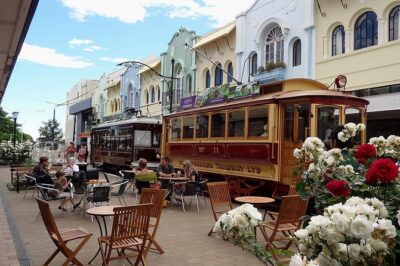
Akaroa Shore Excursion: Banks Peninsula and Christchurch City Sights Tour
Read our review →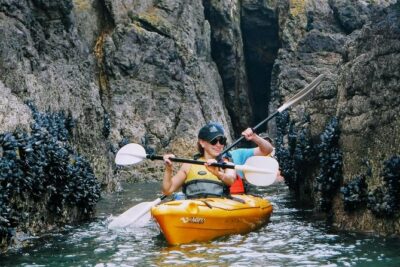
Shore Excursion Guided Sea Kayaking through Akaroa Marine Reserve
Read our review →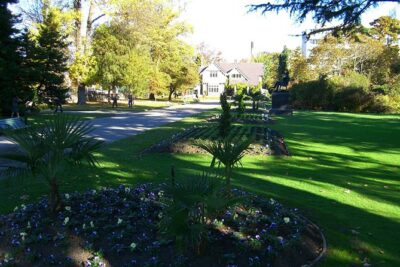
Akaroa Shore Excursion: Banks Peninsula, Christchurch City Tour and the International Antarctic Centre
Read our review →Browse the lists this tour appears in