
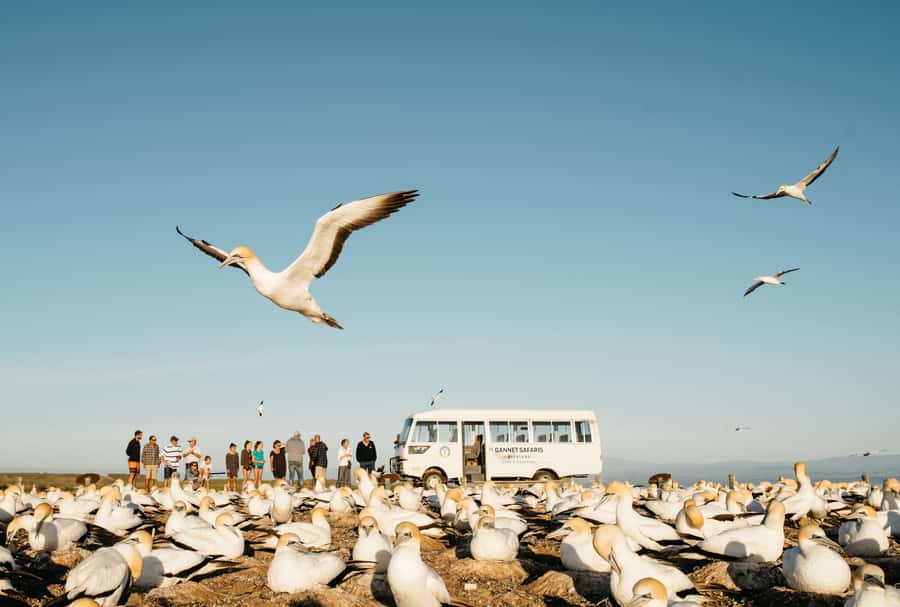
Reviewed · NAPIER TOURS
Napier: Cape Kidnappers Gannet, Nature & Sightseeing Tour
Cape Kidnappers is one of those rare wildlife stops where you do not need binoculars to feel close to the action. The 3-hour trip takes you within a few feet of thousands of gannets, including adults performing their greeting ritual and young birds waiting for food. I especially like the no-walking option and the chance to cross private land that you could not otherwise reach.
I also like that the ride is more than a quick transfer to the birds. Guides such as Jan, Marcus, Trevor, Marty, and Tom add local Maori stories, conservation details, and plenty of humor. The main consideration is comfort: the route can be bumpy, the rear seats may make the commentary harder to hear, and the cape can feel cold and windy, so bring a jacket.
Key points to know before you go
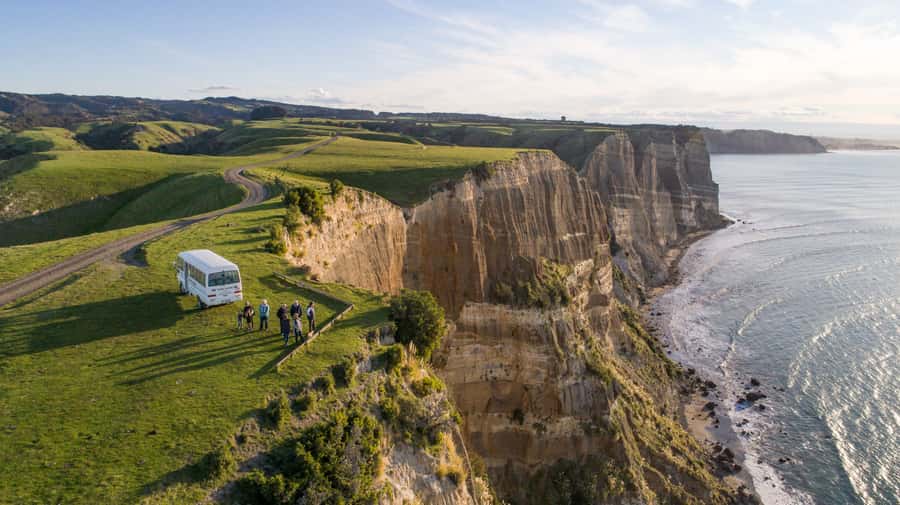
- 20,000 gannets at close range: See one of the world’s largest mainland gannet colonies from only a few feet away.
- No required walking: The air-conditioned 4×4 coach takes you directly to the viewing area.
- Bird season runs from September to early April: January is especially rewarding for seeing chicks.
- The journey is part of the tour: Expect private farmland, dramatic cliffs, native forest, a predator-proof reserve, and local stories.
- Guides shape the experience: The driver commentary is a major part of the morning, with guides including Jan, Marcus, Trevor, Marty, and Tom praised for humor and local insight.
- Bring warm clothing: Wind at the cape can make a sunny day feel chilly.
Why Cape Kidnappers is such a strong wildlife stop
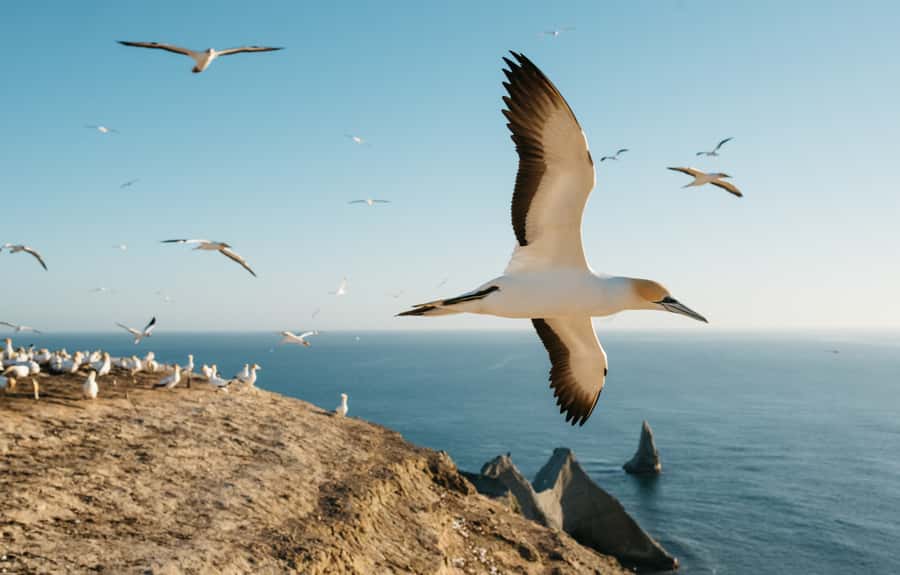
The main attraction is the gannet colony on the cliffs of Cape Kidnappers. Around 20,000 birds gather here during the breeding season, creating a packed, noisy community of white bodies, dark wing tips, pale gold crowns, and black eye markings.
Gannets belong to the booby family. Their six-foot wingspan gives them a striking presence when they pass overhead carrying fish back to the colony. On the ground, pairs preen and perform a recognition ritual, a repeated greeting dance that helps each bird identify its mate.
The viewing distance makes this experience work for more than serious bird watchers. You can watch behavior with your own eyes instead of searching through a long camera lens. You will also have good chances for photographs, though the birds can be smelly and the colony is not quiet. That is part of the real experience. This is a living seabird nursery, not a polished exhibit.
The colony is seasonal. The birds return around September after their winter migration, then build nests and prepare for breeding. Chicks arrive during December and January, and by late April the young birds leave for warmer regions.
If you want to see chicks, January is the safest month to target based on the breeding cycle described for the colony. September and October offer the excitement of the birds returning and settling in, while March and early April can show older chicks nearing departure. The exact appearance of the colony changes through the season.
A few more Napier days to compare
- Top-Rated Hawke’s Bay Wine Tour – Small Group
★ 5.0 · 256 reviews - Shore Excursion: Scenic Rafting from Napier
★ 5.0 · 179 reviews - Guided 10am Morning Art Deco Walk From Napier Art Deco Trust
★ 4.5 · 167 reviews
The ride across Cape Kidnappers Farm
You meet at Gannet Safaris Overland at 396 Clifton Road in Te Awanga. Look for the Gannet Safaris sign beside the road. Hotel pickup is not included in the standard arrangements, so you need to make your own way to the meeting point unless you book a direct transfer option through the operator’s website.
From there, you board a comfortable, air-conditioned 4×4 coach. The vehicle matters because the route crosses private land and reaches areas that are not available for ordinary sightseeing. You are not simply driving to a roadside lookout. The road carries you through a working rural setting toward the cape.
The ride can be bumpy, especially on rough sections of track. One practical detail matters here: several seats may feel cramped, and the back row can make the commentary harder to hear. If you have a choice, sitting closer to the guide should help you follow the stories and explanations.
The bus has air conditioning, though one report noted that it became warm when the air conditioning was switched off. Conditions can vary, so dress for the outside weather rather than assuming the vehicle will always feel cool.
The ride is not dead time. Your guide provides commentary on the area, local history, wildlife, farming, and conservation. Guides who have led this trip include Jan, Marcus, Trevor, Marty, Garth, Mick, Tom, and others. The style varies by person, but the strongest part of the tour is the human voice from the front of the vehicle: local stories and a good sense of humor make the drive pass more quickly.
Maori stories, farming, and conservation along the way

The tour includes local Maori legends and stories, adding a sense of place before you reach the birds. You also hear about the past and present use of the area, including the farm and the conservation work that protects native wildlife.
A visit or viewing stop at a predator-proof reserve helps explain one of New Zealand’s central conservation challenges. Native birds evolved without many mammalian predators, and introduced pests can put pressure on them. The reserve offers a practical look at efforts to give vulnerable species safer habitat.
The tour also includes a production forest and native New Zealand forest. These stops broaden the morning beyond the gannets. You get to see how different parts of the area are used and protected, rather than treating Cape Kidnappers as a single scenic viewpoint.
Several guides have strong local connections, and that can make a difference. Jan, for example, has been described as local to the area, while another guide grew up on the farm and could explain older stories alongside current wildlife work. You should expect commentary rather than a silent transfer, and the experience is better if you enjoy asking questions.
Reaching the gannet colony without a hike
The best practical feature is the lack of required walking. The coach takes you close to the colony, so you do not need to tackle a steep trail to see the birds. This makes the trip useful for anyone who prefers to limit walking, as well as families and people who want to save their energy for sightseeing.
That does not mean every part of the route is perfectly smooth. The track includes steep sections, and one person found parts of it daunting even though the vehicle handled them well. If rough roads make you uncomfortable, this is worth considering before booking.
Once you arrive, you can watch the birds from only a few feet away. Safety for both people and birds is treated seriously, so the close viewing does not mean approaching or handling the gannets. You remain in the designated viewing area while the colony carries on around you.
Plan to spend your attention on behavior rather than trying to photograph every bird. Watch adults recognize their partners, chicks beg for food, and birds return from the sea with fish. Above you, gannets use their broad wings to circle and plunge toward the colony. The combination of sound, movement, and smell gives you a much clearer sense of a working seabird colony than a single distant viewpoint could provide.
Somewhere else in Napier entirely:
- Napier: Afternoon Winery & Gin Tasting Tour Thu Fri Sat
★ 4.8 · 143 reviews - Napier: Afternoon Wine Tasting + visit Silky Oaks Chocolates
★ 5.0 · 135 reviews - Premium 4 -Best Wineries Napier Hawke’s Bay Tour, 5.5h – 6Hours
★ 5.0 · 134 reviews - Scenic Te Mata Peak Tour by Supertrike
★ 5.0 · 100 reviews
Photography, weather, and what to pack
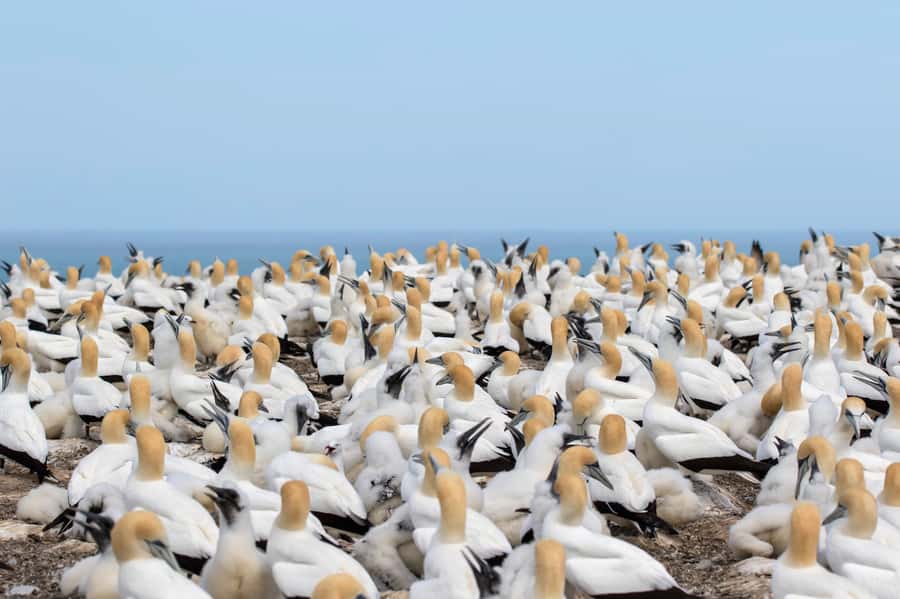
The cape offers strong photo opportunities because the birds are so close. A phone can capture plenty, although a camera with a useful zoom gives you more flexibility for portraits and behavior. Keep your equipment secure and be ready for sudden movement overhead.
The weather deserves respect. Even when conditions look mild in Te Awanga, the cape can be windy and chilly. Bring a jacket or jumper, and wear comfortable shoes. A hot drink and biscuit are provided as light refreshments, which can be welcome after standing in the wind with cold hands.
You do not need to pack food for the tour, but food is not included. The included refreshment is light, not a meal, so plan around the 3-hour schedule if you need a substantial breakfast or lunch.
The colony itself can be pungent. Gannets live in dense numbers, and the smell is part of being close to so many birds. If you are sensitive to strong natural odors, be prepared. For most people who want genuine wildlife viewing, it is a small price for the distance and scale of the encounter.
How the guides affect the morning
The driver-guide is not an extra feature here. The guide drives the rough route, keeps the group moving, explains the birds, and connects the cape to local stories and conservation.
Marcus has been praised for entertaining and funny commentary, while Trevor has been noted for making the journey as enjoyable as the colony itself. Jan is known for local knowledge and patient explanations, and Marty has been described as personable and informative. Tom has also led tours that included sightings of native birds such as kaka, tui, rifleman, and saddleback.
The precise guide depends on the day, so you should not book expecting a particular person. Still, the repeated pattern is clear: the quality of the commentary is central to the experience. A good guide turns the ride into part of the sightseeing rather than a necessary haul to the endpoint.
One caution is that accents, speaking speed, and vehicle acoustics may affect how easily you follow the talk. If you sit near the back, you may hear less clearly. Ask about moving forward if seats permit, and mention it early if you need the guide to speak more slowly.
What the $59 price gets you
At $59 per person, the tour offers solid value if you want close access to Cape Kidnappers without arranging transport across private land yourself. The price covers the experienced driver-guide, air-conditioned transport, gannet viewing, and light refreshments.
The real value is access. You cannot simply drive yourself across the private farmland to the colony, and the tour handles the challenging route in a suitable vehicle. You also receive the context that makes the birds more meaningful: breeding cycles, local stories, forest, farming, pest control, and views along the way.
You are paying for three hours, not a full-day nature expedition. The outing focuses on Cape Kidnappers and the surrounding area, so it suits you if the gannet colony is your priority. If you want a longer wildlife program with more endangered species, the operator has another private tour, but that is a separate experience.
The value is strongest for people who would otherwise struggle to reach the colony or who want a guide to explain what they are seeing. It is less compelling if you prefer independent hiking, dislike bumpy roads, or want a meal included.
Who should book this Cape Kidnappers tour?
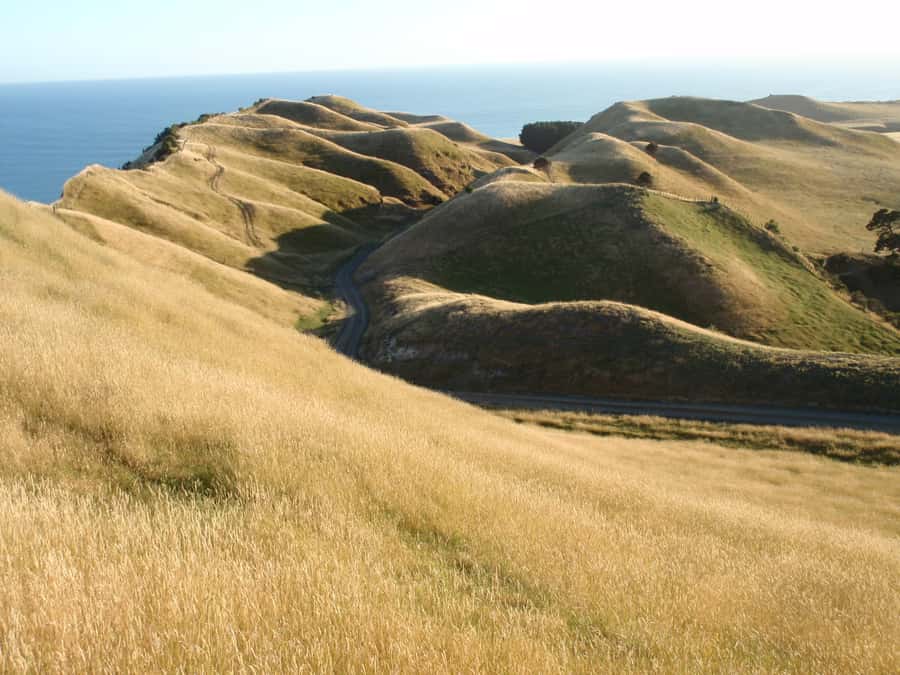
I would put this near the top of your Hawke’s Bay list if you enjoy birds, coastal scenery, photography, or local conservation. It also works well for families, since the main bird viewing does not demand a long walk and the guides keep the ride lively.
It is a good choice for older visitors or anyone with limited stamina, provided they are comfortable with a bumpy vehicle ride and some steep track sections. The no-walking option is a major advantage, but the ride itself is not completely passive.
You should also book it if you want a guided introduction to the area rather than a quick photo stop. The Maori stories, farm history, forests, reserve, and bird behavior give the morning more substance.
You may want a different activity if you need guaranteed quiet transport, have trouble hearing spoken commentary, or strongly dislike confined vehicle seating. The back row can be cramped, and the road can be rough. These are manageable drawbacks, but they are part of the choice.
Booking details that matter
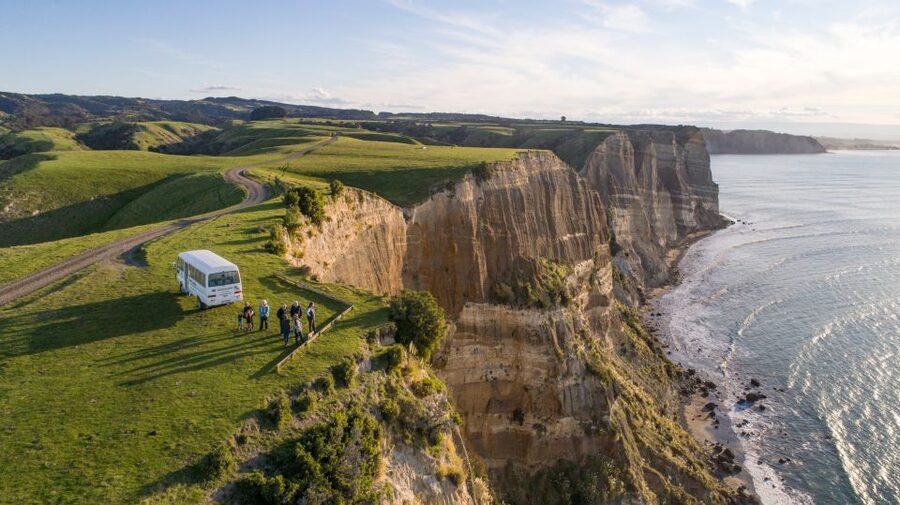
The tour lasts three hours and operates with an English-speaking live guide. The gannets are present from September to early April, so check the date carefully before booking.
Free cancellation is available up to 24 hours in advance for a full refund, and you can reserve now and pay later. The standard tour does not include hotel pickup or drop-off. Cruise ship passengers cannot use this standard booking, although a cruise excursion is available directly through the operator’s website.
Should you book it?
Book this tour if you want close, easy-access wildlife viewing and appreciate a guide who can connect birds, Maori stories, local history, and conservation. The huge colony, dramatic coastal setting, and no-required-walking format make it a strong use of three hours.
For the best chance of seeing chicks, aim for January. For any visit from September through early April, bring warm clothing, expect a bumpy ride, and try to sit near the guide. If those details suit you, Cape Kidnappers offers a memorable encounter with gannets that is hard to match from a normal roadside lookout.
FAQ
How long is the Cape Kidnappers gannet tour?
The tour lasts three hours.
How much does the tour cost?
The listed price is $59 per person.
Where does the tour meet?
It meets at Gannet Safaris Overland Ltd, 396 Clifton Road, Te Awanga 4172, New Zealand. Look for the Gannet Safaris sign beside the road.
Is hotel pickup included?
Hotel pickup and drop-off are not included in the standard tour. Transfers are available through direct bookings on the operator’s website.
Is walking required?
No. Walking is not required if you do not want to walk. The air-conditioned 4×4 coach takes you close to the gannet colony.
When can I see the gannets?
The birds can be seen from September through early April. They return in September, chicks arrive during December and January, and the young birds leave in late April.
What should I bring?
Bring comfortable shoes and a jacket or jumper. The cape can be windy and chilly.
Are food and refreshments included?
Light refreshments are included. Food is not included.
What language is the tour conducted in?
The live tour guide speaks English.
Can cruise ship passengers book this tour?
The standard tour is not available for cruise ship passengers. A cruise ship excursion is available directly through the operator’s website.
Can I cancel for a full refund?
Yes. You can cancel up to 24 hours in advance for a full refund.
Newly listed around Napier
- Hawkes Bay – Scenic, luncheon, wine Tour★ 4.0 · 5 reviews
- Napier Shore Excursion: City Sights and Hawke’s Bay Tour★ 3.5 · 6 reviews
- Small group – Beer, Wine, Cider and Gin Tour – 5.0 – 5.5 hours★ 5.0 · 6 reviews
- Napier Shore Excursion: Wine & Art Deco Tour★ 4.5 · 6 reviews
- Deco City Black Cab Tours and Shuttles★ 5.0 · 8 reviews
- From Napier: Hawke’s Bay Small Group Wine Capita Tour★ 4.9 · 10 reviews
- Napier: Highlights & Tour Exploring the Best of this Region★ 4.6 · 11 reviews
- Napier: Cycle to Wineries – Half Day, self-guided★ 4.0 · 12 reviews
Napier Tours, compared.
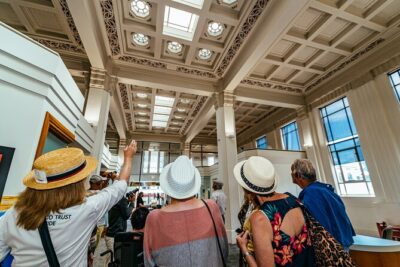
Guided 10am Morning Art Deco Walk From Napier Art Deco Trust
Read our review →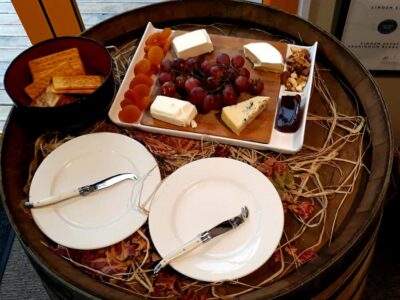
Afternoon Winery & Gin Tasting Tour Thu Fri Sat
Read our review →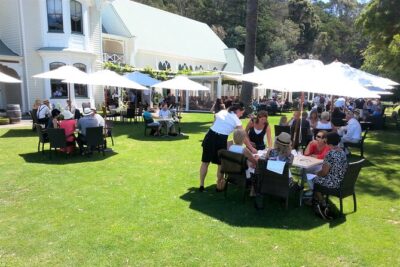
Afternoon Wine Tasting + visit Silky Oaks Chocolates
Read our review →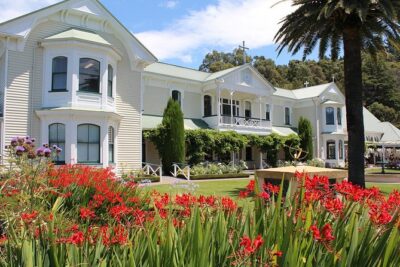
Premium 4 -Best Wineries Napier Hawke’s Bay Tour, 5.5h – 6Hours
Read our review →
Art-Deco + Te Mata Peak+ Garden Walk + Wine Tasting
Read our review →Browse the lists this tour appears in